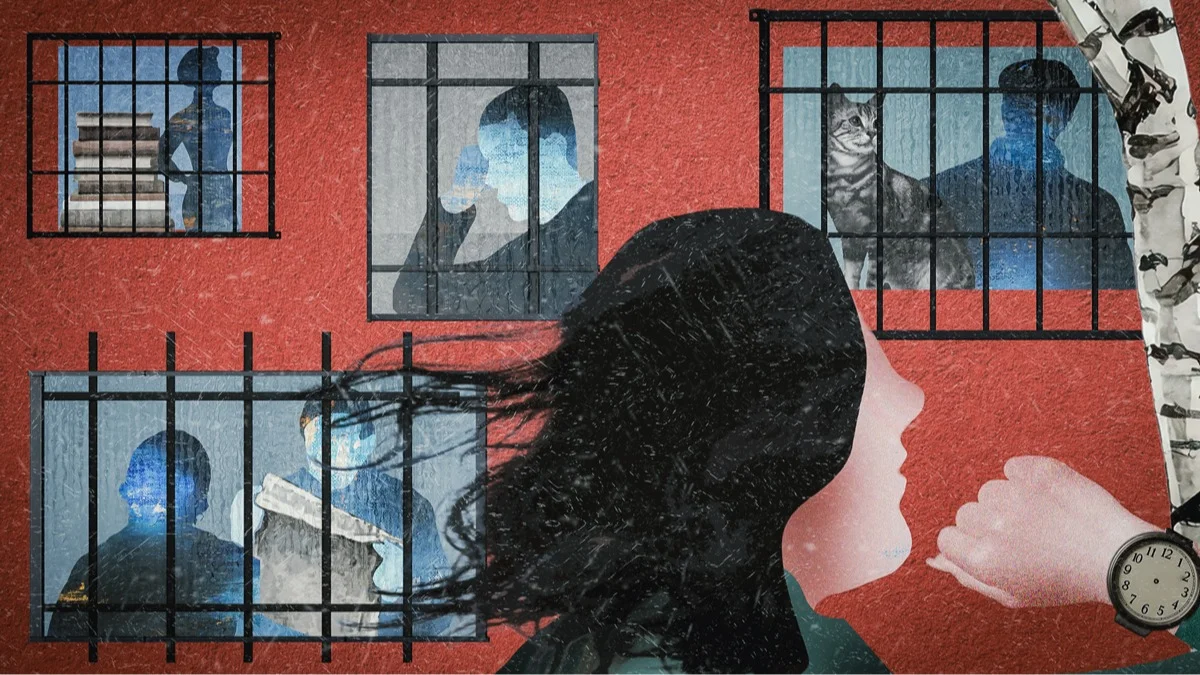
The ghost of Stalin
Russia’s Volgograd put up a bust to commemorate Joseph Stalin. The city is now thinking about reinstating its Soviet-era name, Stalingrad. Can the infamous dictator’s name reappear on maps?
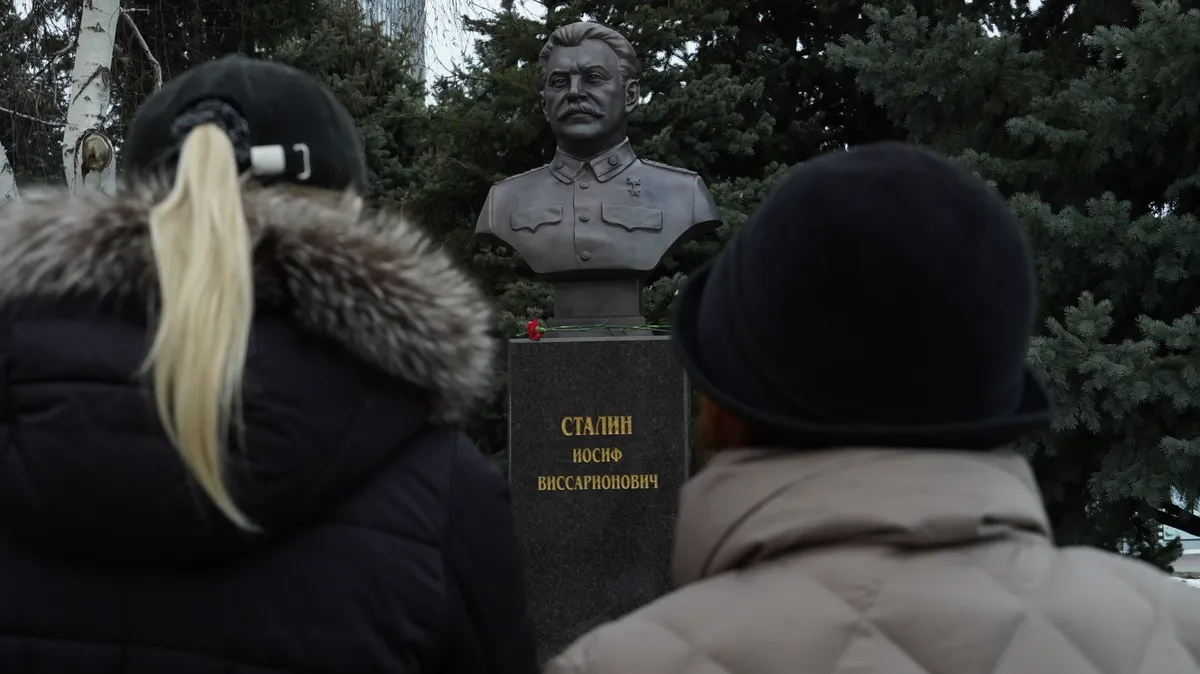
On 1 February, a monument to Joseph Stalin was pompously unveiled in Volgograd, just 120 metres away from a memorial commemorating victims of political repressions. The next day, when Vladimir Putin arrived in the city to celebrate the 80th anniversary of the World War II Stalingrad Battle against Nazi Germany, Volgograd was renamed Stalingrad for one day, for the second time in the past six months to commemorate cornerstone dates of the Second World War.
Shortly before that, posters emerged all over the city as part of a large-scale public campaign to bring back the old Soviet name, while local authorities created an official council to gauge opinions of Volgograd residents about the potential name switch.
Novaya Gazeta Europe investigates who is behind the initiative to revive the old city name and what are the chances of such a referendum taking place.
According to him, reinstating the Soviet leader’s images as well as the old city name will immortalise the WWII victory.
The city cordoned off streets and jammed the Internet connection to prepare for his visit, while local authorities replaced street signs to say Stalingrad for one day.
According to him, the name change represents “a bid for a super breakthrough, for building new socialism, and dominating Eurasia”.
In early January, the Volgograd/Stalingrad issue reached the Russian government. Putin’s spokesman Dmitry Peskov noted that the Kremlin is not engaged in any discussions about the potential name change.