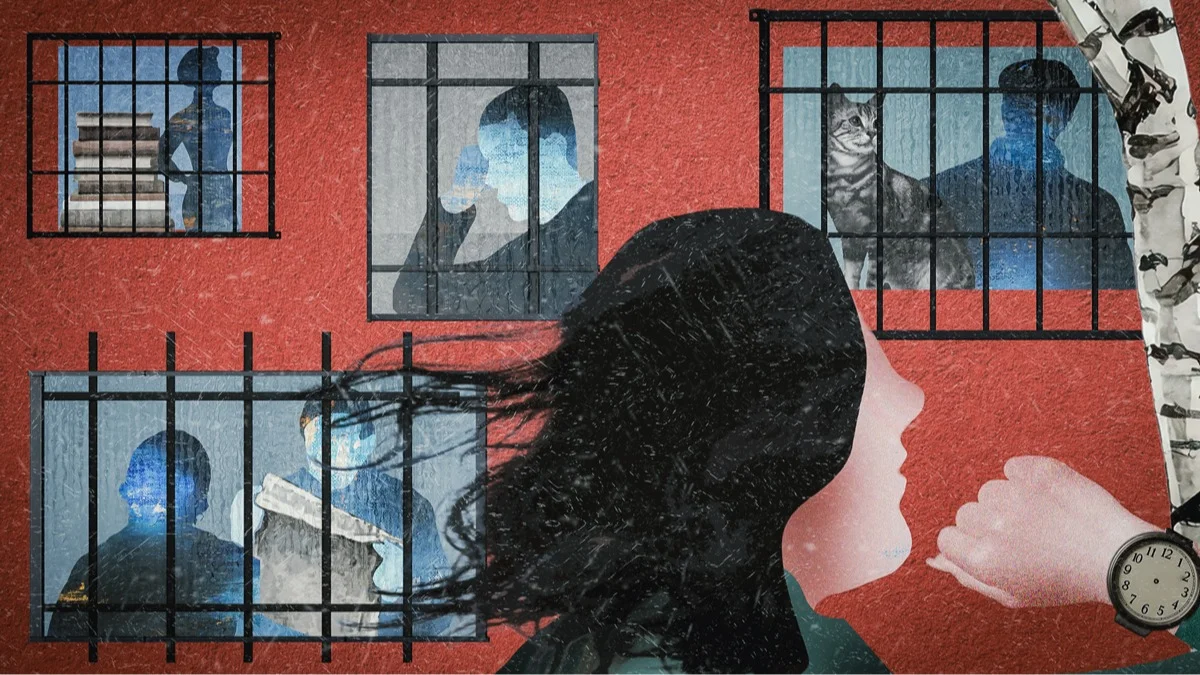
If the Russian authorities still felt their powers were limited by the constraints of the law when Russia launched its full-scale invasion of Ukraine in 2022, two years on they enjoy a free hand to crack down with astonishing severity on even the slightest sign of dissent.

While in 2022 Russian courts convicted 22 people for making anti-war statements, that number rose seven times in 2023 to 144, according to Russian human rights non-profit OVD-Info.

Figures published by the organisation show that criminal cases for something as minor as an anti-war post on social media now result in far more severe penalties than they did at the start of the war. In 2022, the majority of such cases resulted in non-custodial sentences, whereas by 2023 almost half resulted in jail terms. The average length of sentences has also increased, with the average jail term for an anti-war post almost doubling from 34 months in 2022 to 65 months in 2023.

The laws on sabotage, terrorism and extremism have also been widened and their penalties have been increased, and in the case of sabotage, its very definition was expanded last year. Now, setting fire to military enlistment offices, state institutions or anything deemed to make up Russia’s infrastructure can now be classified as sabotage and is punishable with up to 20 years in prison. The maximum punishment for both sabotage and treason have been raised to life imprisonment in the past two years.
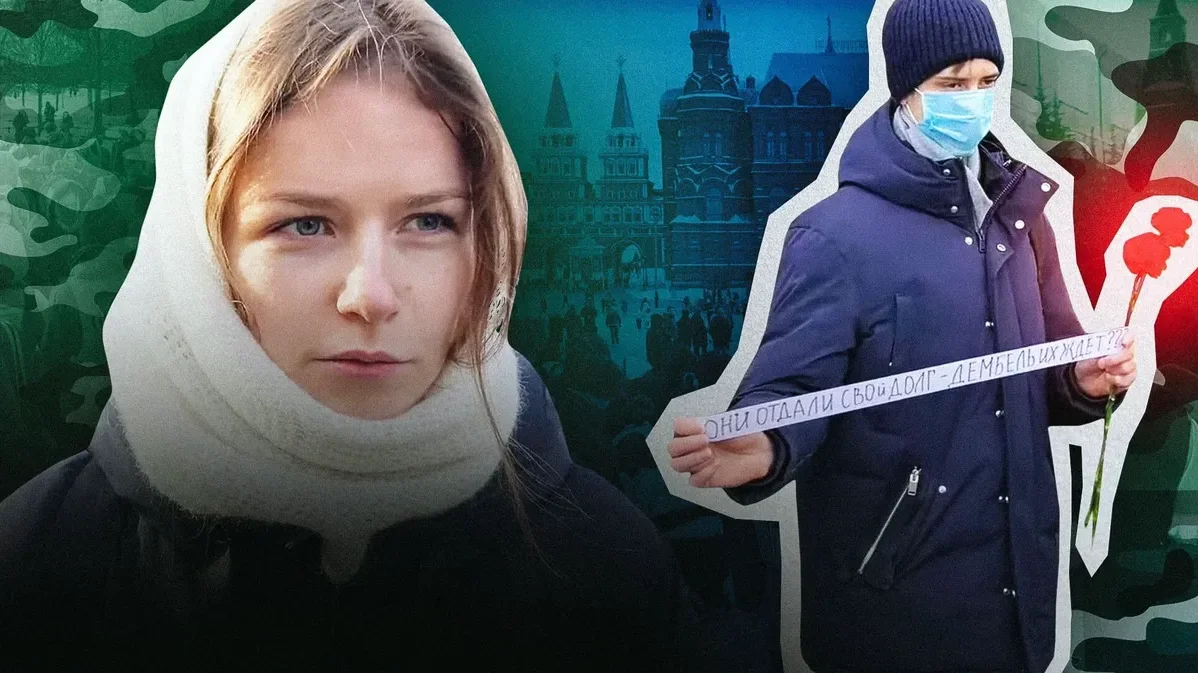
According to OVD-Info, in 2023, 30 custodial sentences were handed down for sabotage, arson or attempted arson of military enlistment offices. There are currently at least five sabotage cases being heard in the country, though just one person was convicted under that law in 2022, while in the first six months of 2023, two sentences were handed down.

Lawyer Valeria Vetoshkina, who works with First Department, an NGO campaigning for greater transparency and against political persecution said it would be inaccurate to say that sentencing had become harsher only in relation to certain offences, however. “I see a more repressive tendency across the board, not just in terms of sentencing.”

Vetoshkina stresses that punishment should never be viewed solely as an act of retribution.

“The purpose of punishment is to restore social justice, rehabilitate the convict and prevent recidivism. … The more time a person spends in prison, the more they lose touch with society and the more likely they are to reoffend.”

The 27-year sentence handed to Darya Trepova last month after she was convicted of causing the death of “military correspondent” Vladlen Tatarsky, was a shocking case in point. Trepova’s crime was broken down into three charges: terrorism, trafficking explosives and forgery. She was sentenced to 18 years in prison for the first charge, 13 for the second and two years for the third. Served partially concurrently, it amounted to a total of 27 years in prison and is the longest sentence given to a woman in modern Russian history.

One former law enforcement officer speaking on condition of anonymity told Novaya Europe that the trend towards ever harsher prison sentences was rooted in amendments made to the Criminal Code after the annexation of Crimea in 2014.

“Until then, the maximum prison term for multiple crimes tended not to exceed 25 years. But after the annexation of Crimea, the authorities, fearing an increase in crimes that could be classified as terrorism — sabotage, or a full-scale terrorist attack — decided to make sentences even harsher,” he said.

“Most experts agree that anyone serving more than five or six years in prison will find it very challenging to reintegrate upon their release and is highly likely to reoffend. Such draconian prison terms therefore serve only as punishment,” he added.

“Until 2021, longer sentences were rarely handed down and there had actually been a decrease in crimes classified as terrorism to that date. A sharp increase in these new longer sentences occurred in 2022, after Russia launched its full-scale invasion of Ukraine,” he continued.

“The justice system also often now classifies crimes committed on transport infrastructure, where the intent is to damage or destroy property, not cause mass loss of life, as sabotage or terrorism.”
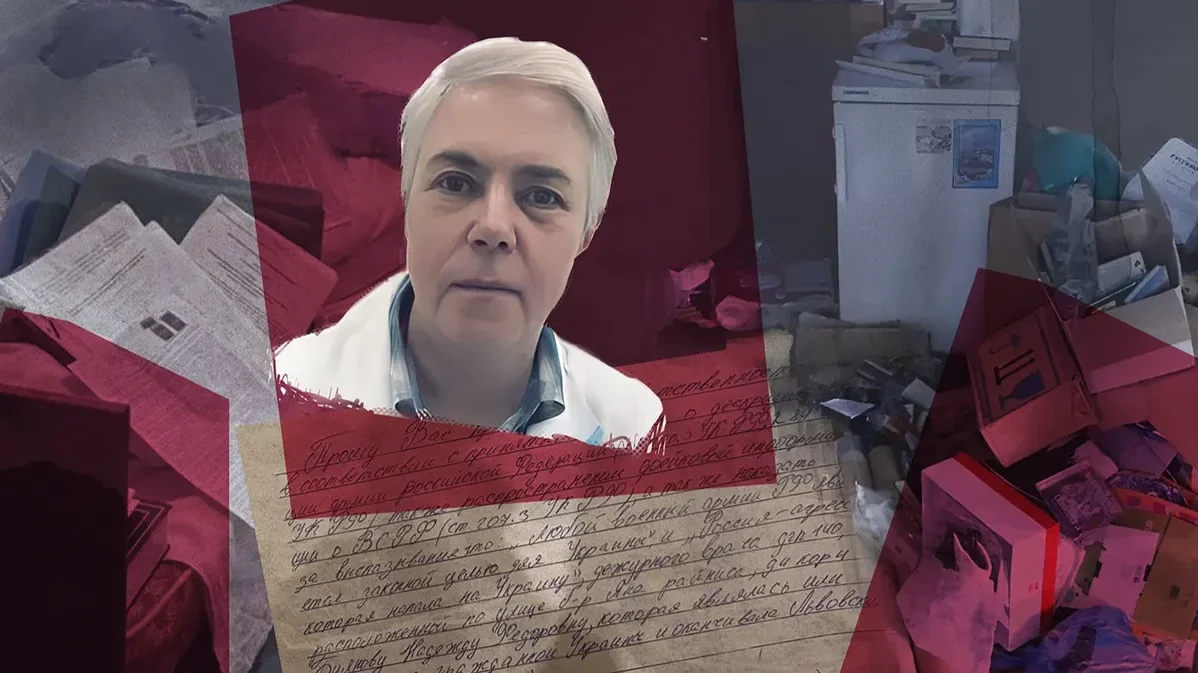
OVD-Info concluded its 2023 report with a prediction that harsher sentencing would only continue this year as the war increases the regime’s need to crack down on dissent.

Поделиться
Подробнее по теме
Изображение материала
Targeted accusation
How an alleged comment during a consultation led to unimaginable consequences for one Moscow doctor
Больше сюжетов
Telegram под угрозой полной блокировки

Telegram под угрозой полной блокировки

Как оставаться на связи? «Новая-Европа» собрала списки проверенных VPN и альтернативных мессенджеров

«Пропаганда в России не пытается убеждать. Она хочет тебя сломать»

«Пропаганда в России не пытается убеждать. Она хочет тебя сломать»

Режиссер фильма «Господин Никто против Путина» Дэвид Боренштейн — о съемках в школе в Карабаше, об этике работы и о том, чем Россия отличается от Китая

В Риге на лекции задержали корееведа Андрея Ланькова

В Риге на лекции задержали корееведа Андрея Ланькова

Его объявили персоной нон-грата и вывезли из Латвии в Эстонию

Акции в поддержку Украины прошли по всему миру

Акции в поддержку Украины прошли по всему миру

«Новая-Европа» публикует фотогалерею

Трансгендерную девушку из Челябинска приговорили к четырем годам в мужской колонии

Трансгендерную девушку из Челябинска приговорили к четырем годам в мужской колонии

«Старшие больше боятся. А молодым нечего терять»

«Старшие больше боятся. А молодым нечего терять»

Война глазами 55-летнего добровольца и 19-летнего контрактника из одной бригады ВСУ. Материал издания hromadske

Мужчина совершил самоподрыв у машины ДПС на Савеловском вокзале в Москве

Мужчина совершил самоподрыв у машины ДПС на Савеловском вокзале в Москве

Война и свидетели

Война и свидетели

20 фильмов и книг о вторжении в Украину, которые помогут понять катастрофу, случившуюся после 24 февраля

ЛГБТ-организации начали признавать «экстремистами»

ЛГБТ-организации начали признавать «экстремистами»

Как Россия двадцать лет строила машину государственной гомофобии и почему это касается всех