Roskomnadzor, Russia’s media regulator, has begun to block YouTube in Russia. At first glance, the Kremlin’s goals are quite obvious: YouTube has been a haven for anti-war activists and opposition figures in a country looking to silence any and all dissent.

Ksenia Buksha
Ksenia Buksha
Novelist and poet
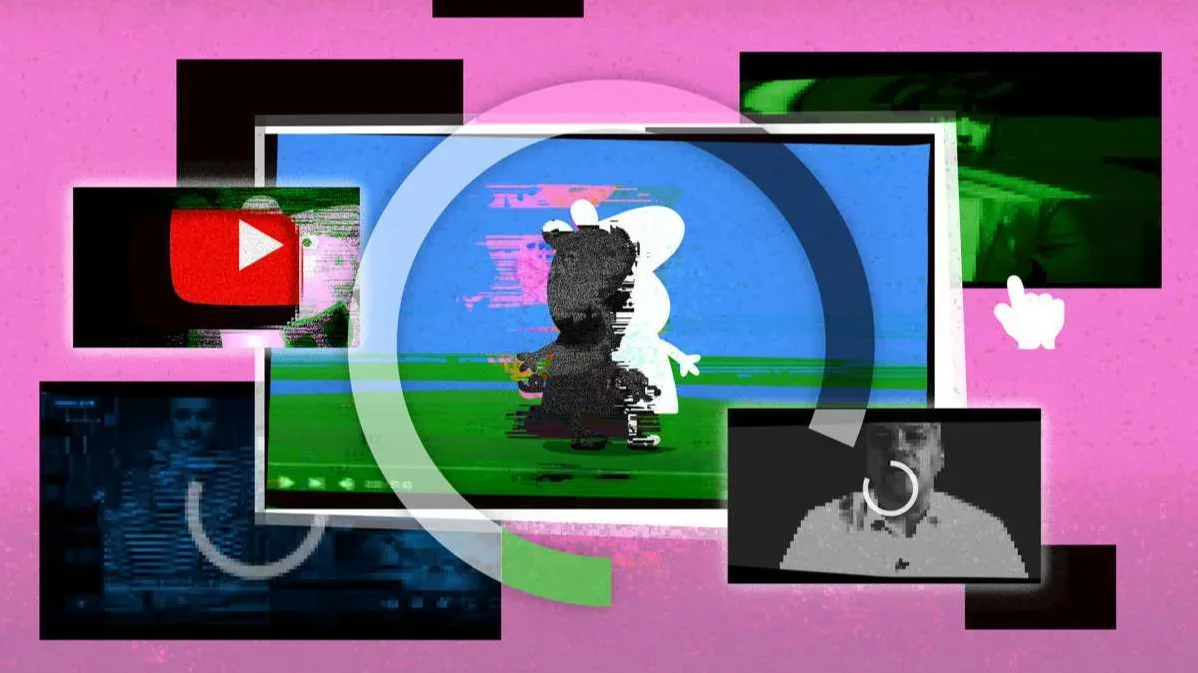
But at the same time, political content on the Russian-language segment of YouTube accounts for no more than 5% of total views on the platform. Entertainment and education content, from Peppa Pig or printer instructions to lectures on French literature and medieval music concerts, make up the majority of content uploaded to the site. By choosing to censor all YouTube content, the Russian authorities have closed off an entire world that had nothing to do with politics, opposition or dissent, effectively throwing the baby out with the bathwater.

The content Russia has suppressed by targeting political videos should be mourned along with the loss of free, political expression. Arts, culture, entertainment and education may not be as politically salient on YouTube as a Navalny speech, but the destruction of this content also carries alarming implications.

The notion that the Kremlin is blocking YouTube to stop the spread of hugely popular opposition bloggers is simply untrue. Opposition bloggers do not receive millions of views and are not among the most shared or watched videos on the platform. Therefore, it is unlikely that the Kremlin targeted YouTube simply to scare or intimidate the opposition.

The government blocking YouTube because it has the power to do so is a much scarier reality. YouTube’s censorship is a natural part of the Russian government’s strategy for controlling its subjects because the Kremlin is guided by its will to control the Russian people.

In the past, information was in short supply and was often hard for the general public to access. But with the advent of the internet, information became available to everyone, not just a select few. Thus, it became necessary to change the entire information landscape in order to control it.

It is not specific information — cartoons, lectures or anti-war rhetoric — that is hostile to the Kremlin’s interests, but rather the environment itself, the ease and availability of accessing and generating content. In seeking to control information, Russia has taken steps to crush the entire internet and indiscriminately repress all information, no matter what political message it conveys. This move does not just threaten a few opposition bloggers; it compromises everyone’s ability in Russia to freely use, create and access information. In short, any information that goes uncontrolled is, in the Kremlin’s view, inherently dangerous.

With YouTube unable to operate in the country, many have switched to Rutube and VK.Video, where content is limited and usually of poorer quality. Blocking YouTube has also meant that content on other video-sharing sites is less regulated while remaining under the Kremlin’s close watch. Pornographic videos as well as content that violates copyright law have flourished on these alternative platforms while opposition bloggers are completely banned.

YouTube is full of content that aligns with the Kremlin’s political narrative, including plenty of pro-Putin and pro-war content. But Roskomnadzor does not seem to care what your politics are. It just minds that the online environment harbours a diversity of opinions. In fact, even pro-war bloggers are no longer able to use YouTube after its services were censored in Russia, creating a digital landscape in Russia in which control supersedes ideology.

Although a future like North Korea remains far off, censorship in Russia has dramatically increased over the last decade. YouTube was the last stalwart of free speech in Russia as virtually every other social media platform has been banned or come under complete state control. As YouTube falls, the Kremlin inches ever closer to total online domination.

Views expressed in opinion pieces do not necessarily reflect the position of Novaya Gazeta Europe.
Поделиться
Больше сюжетов
«Я одновременно и гражданка Украины, и гражданка Крыма»

«Я одновременно и гражданка Украины, и гражданка Крыма»

Истории людей, которые пережили аннексию и покинули полуостров после начала полномасштабной войны

Max подписывает пользователей на Z-каналы, от которых невозможно отписаться

Max подписывает пользователей на Z-каналы, от которых невозможно отписаться

Семья еще одного генерала ФСБ работает в «Икс-Холдинге», который занимается блокировками интернета, узнала «Новая-Европа»

Семья еще одного генерала ФСБ работает в «Икс-Холдинге», который занимается блокировками интернета, узнала «Новая-Европа»

Кавказские практики по «усмирению» жертв домашнего насилия теперь применяют по всей России

Кавказские практики по «усмирению» жертв домашнего насилия теперь применяют по всей России

Под ударом прежде всего жены обеспеченных мужчин, говорится в докладе Ad Rеm

«Забираете скот по беспределу»

«Забираете скот по беспределу»

В Новосибирской области идет массовый забой коров. Власти ссылаются на неизвестную инфекцию. Жители протестуют. Некоторых активистов задержали

Ошибки молодости

Ошибки молодости

Хотел заработать легких денег — нечаянно стал белорусским политзеком, хотел спастись от тюрьмы — попал на войну. Невероятная история одного дезертира

В Удмуртии пенсионерок, плетущих маскировочные сети на нужды «СВО», выселили из цеха

В Удмуртии пенсионерок, плетущих маскировочные сети на нужды «СВО», выселили из цеха

Решение объяснили тем, что в регионе «войны нет»

Студентов Вышки учат управлять дронами с помощью компьютеров тайваньской компании Getac. Производитель еще в 2022 году обещал уйти из России

Студентов Вышки учат управлять дронами с помощью компьютеров тайваньской компании Getac. Производитель еще в 2022 году обещал уйти из России

Фильм об «изменениях в школах после начала СВО»

Фильм об «изменениях в школах после начала СВО»

Как на победу «Господин Никто против Путина» на «Оскаре» реагируют в России и мире