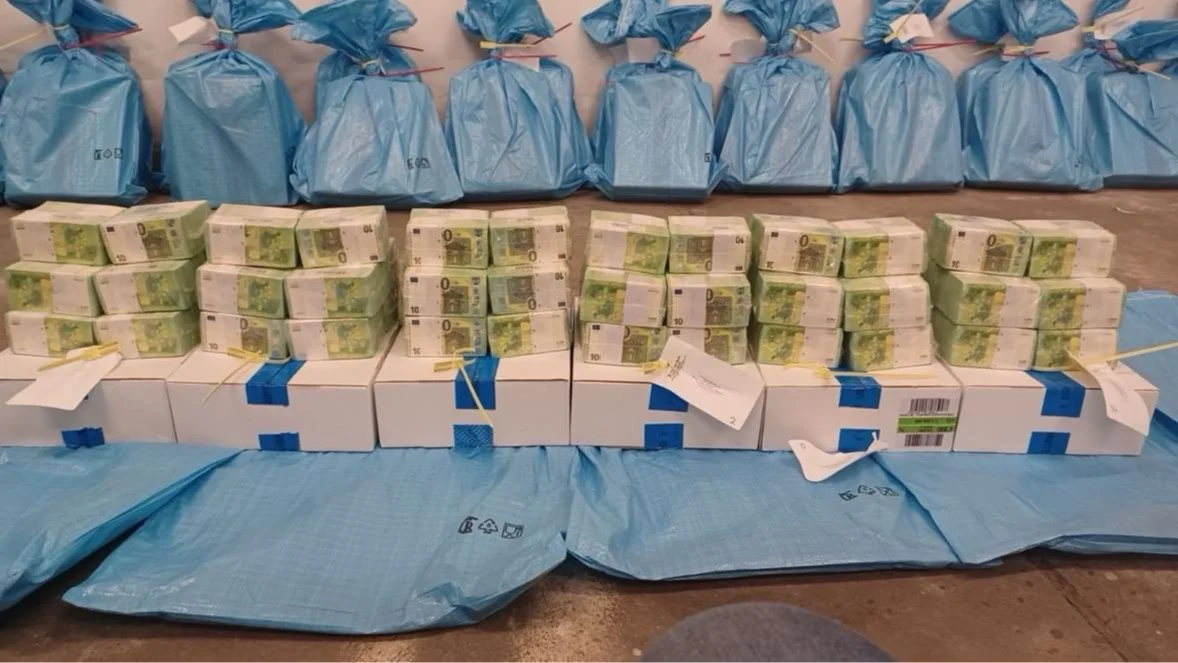
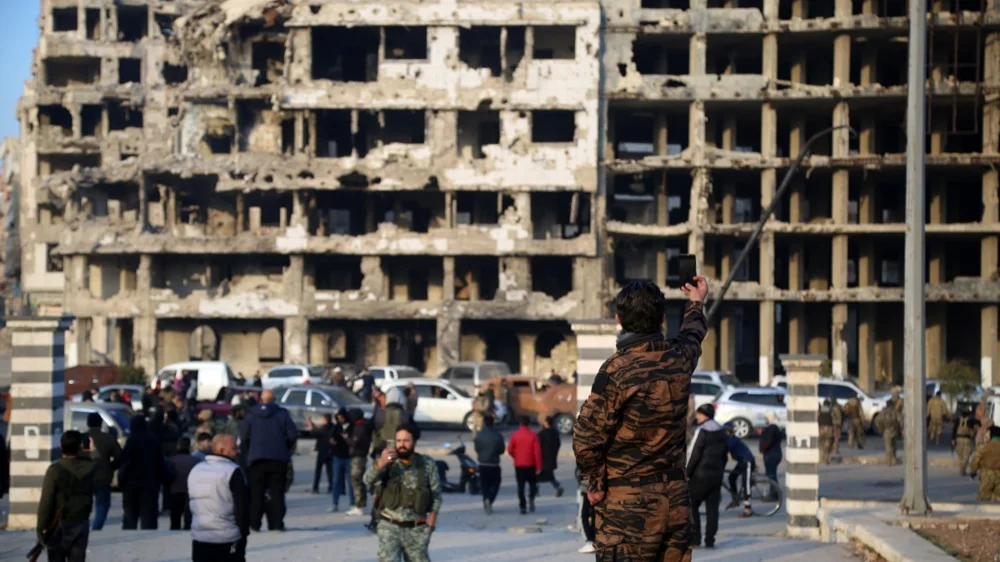
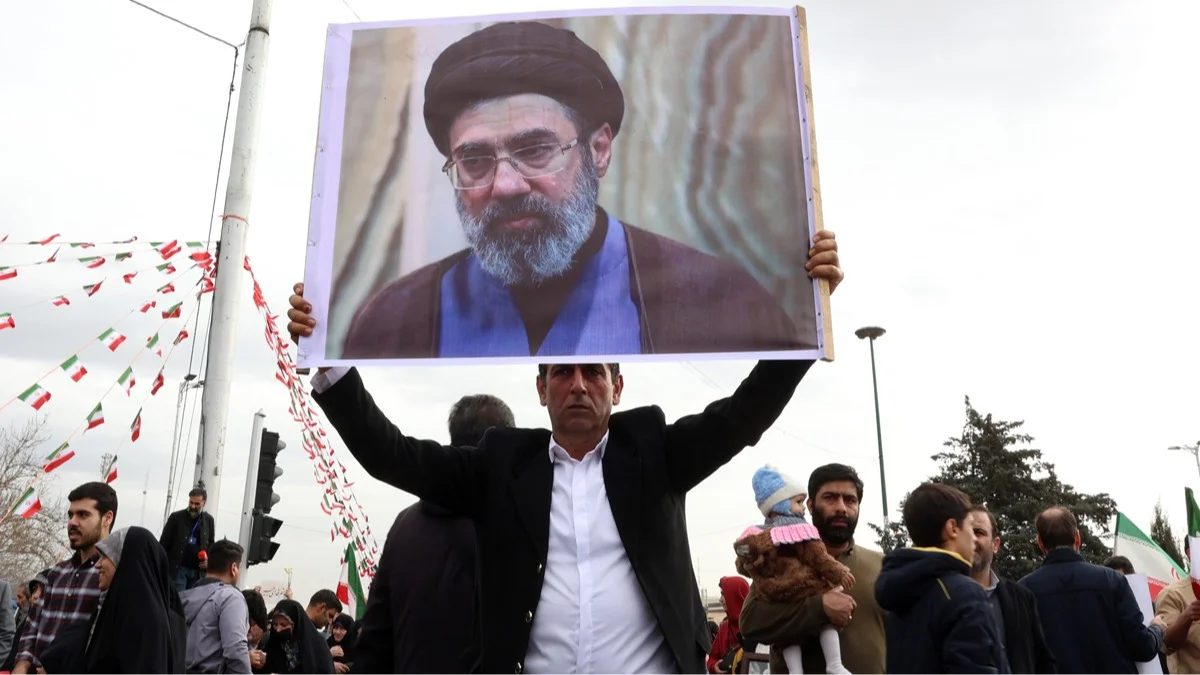
The simmering tensions between Hungary and Ukraine escalated dramatically on Friday after Budapest confirmed it had arrested seven Ukrainian bank employees and seized around €70 million in cash as part of a money laundering probe.
Hungary’s Tax and Customs Administration announced late on Thursday that it had impounded two armoured cash trucks belonging to Ukraine’s state-owned Oschadbank, and apprehended seven Ukrainian nationals, including a former general in Ukraine’s intelligence services.
According to a statement from Oschadbank, the employees were transiting Hungary from Austria carrying a cargo of €70 million, as well as 9kg of gold worth a further €1.3 million.
Ukrainian government officials reacted in outrage to the incident on X, with Foreign Minister Andriy Sybiha demanding the “immediate release” of the Ukrainians “taken hostage in Budapest”, and Prime Minister Yulia Svyrydenko likening Hungary’s actions to “1990s-era Moscow”.
Hungarian officials said that all seven Ukrainians arrested would be expelled from Hungary, but did not clarify what would happen to their multi-million-euro cargo, prompting Polish Foreign Minister Radoslaw Sikorski to say on X that the money had been “stolen”.
The row follows Ukrainian President Volodymyr Zelensky telling a government meeting in Kyiv on Thursday that unless Orbán removed his government’s veto against a stalled €90 billion EU loan for Ukraine, “we will give this person’s address to our guys so they can call him and speak to him in their language”.
A spokesperson for the European Commission condemned Zelensky’s rhetoric and his apparent personal threat to the Hungarian prime minister, calling it “not acceptable”, and “neither helpful nor conducive to achieving the common goals we all have”.
Pro-Orbán media in Hungary rounded on Zelensky for his comment, which it called a “death threat” against Orbán, who is currently facing tough parliamentary elections in April, which opinion polls indicate he is likely to lose to pro-European opposition party TISZA.
The two neighbouring countries have been at loggerheads over Kyiv’s closure of the Druzhba pipeline in late January, which runs through Ukraine and supplies Russian oil to Hungary and Slovakia. In February, Orbán confirmed he would veto both a €90 billion EU loan to Ukraine and a new package of sanctions against Russia until Druzhba was reopened.
Ukraine maintains that the pipeline in question was damaged and rendered inoperable by a Russian attack, a claim that Orbán and Slovakia’s Robert Fico have dismissed as a lie.