Mum said: ‘If we die, we die together’
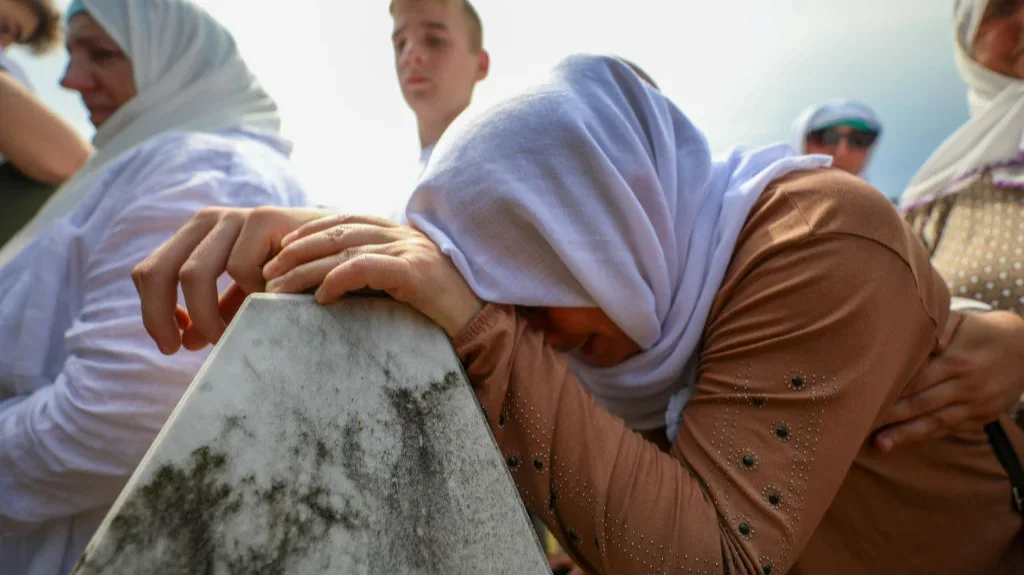
Monologue of Alma Mustafic, survivor of the Srebrenica massacre, about the massacres in Bosnia and the war in Ukraine
I was forced to find out what the differences between us were when the shooting started.
It looked like a picture from World War II: houses burned down, shops and factories looted. According to some reports, only 300–400 inhabitants remained in the city.
In his eyes, they are “lost Russians”, only “they don’t know it themselves” and he “had to help them remember who they really are.”
Immediately after leaving the base, we were separated: the Serbs took my father away, and we were pushed into buses. Mum begged to let Dad go with us, but to no avail.
The motivation of the Serbs in the 90s was the same as that of Russia now: to expand the territory, to create a “Greater Serbia”. A homogeneous country.
Most Bosnians sympathise with the Ukrainians. We ourselves experienced an aggressive war and therefore we sympathise with the Ukrainian people.
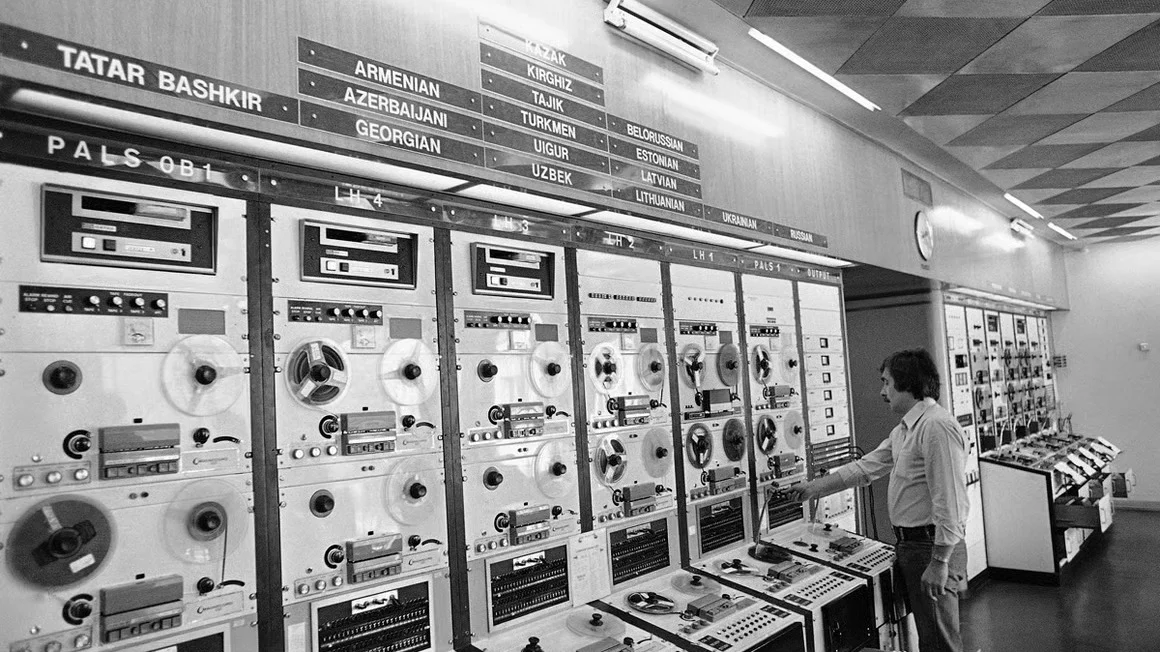
Breaking the waves
The Kremlin’s latest attempt to quash Telegram echoes the Soviet Union’s war on foreign radio broadcasts
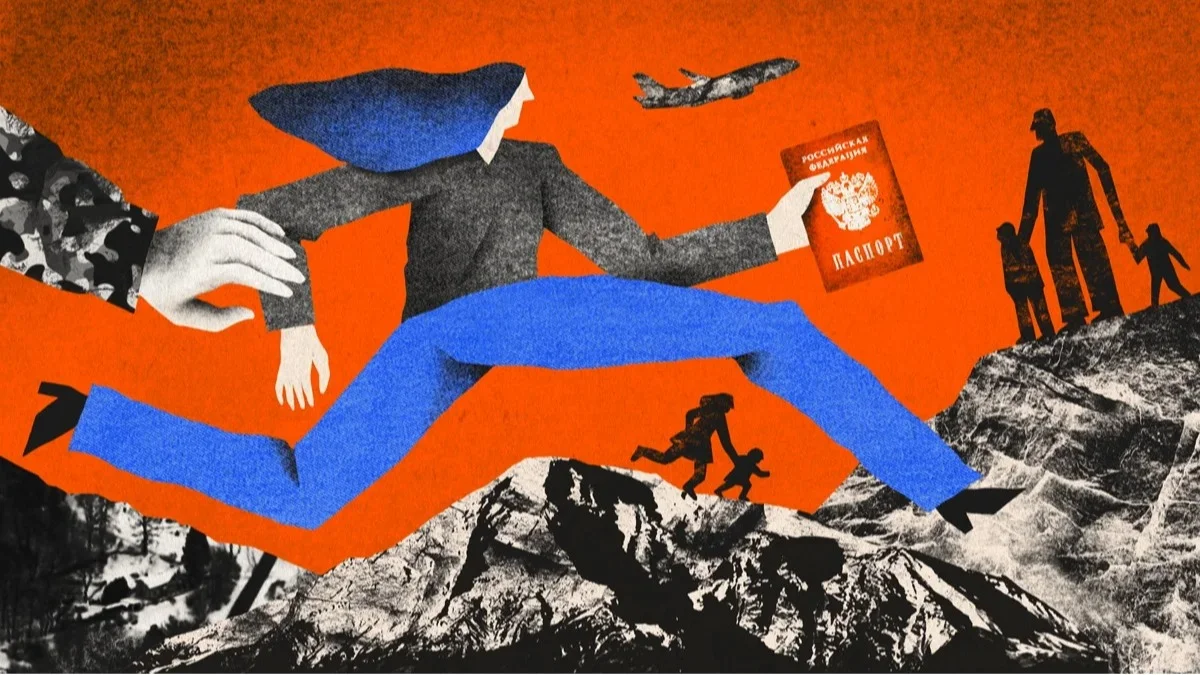
Deserting the paper army
How one woman refused to be a cog in Russia’s military machine
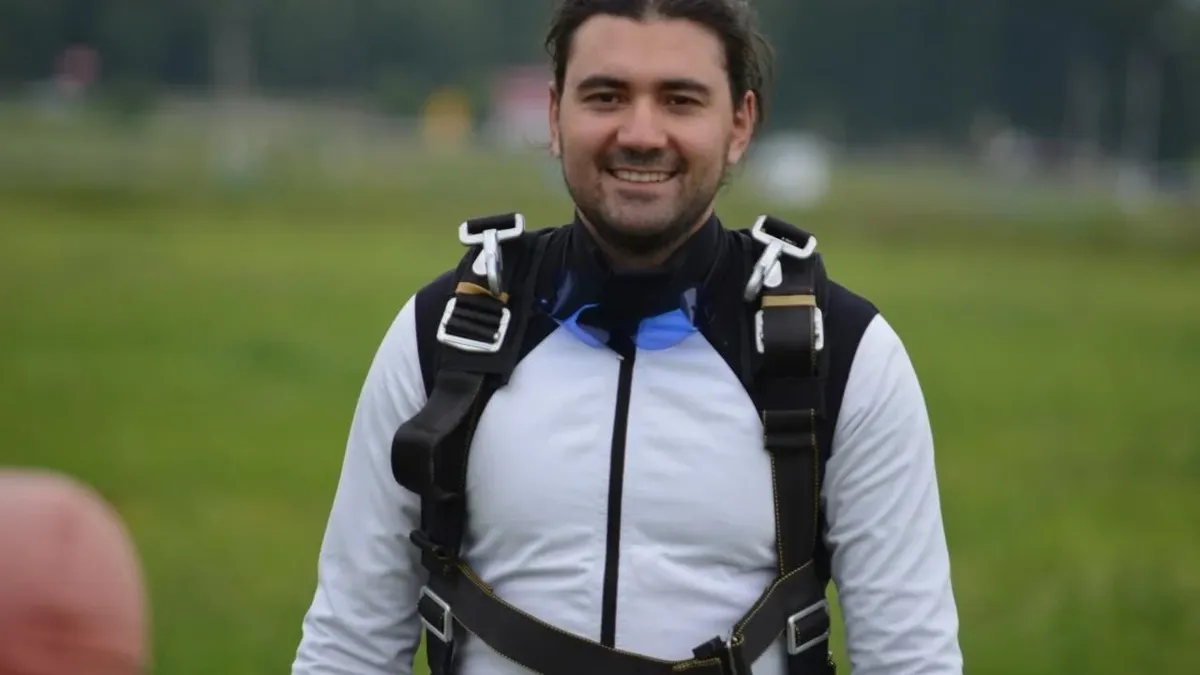
Russian journalist jailed over €3 donation to Navalny’s Anti-Corruption Foundation
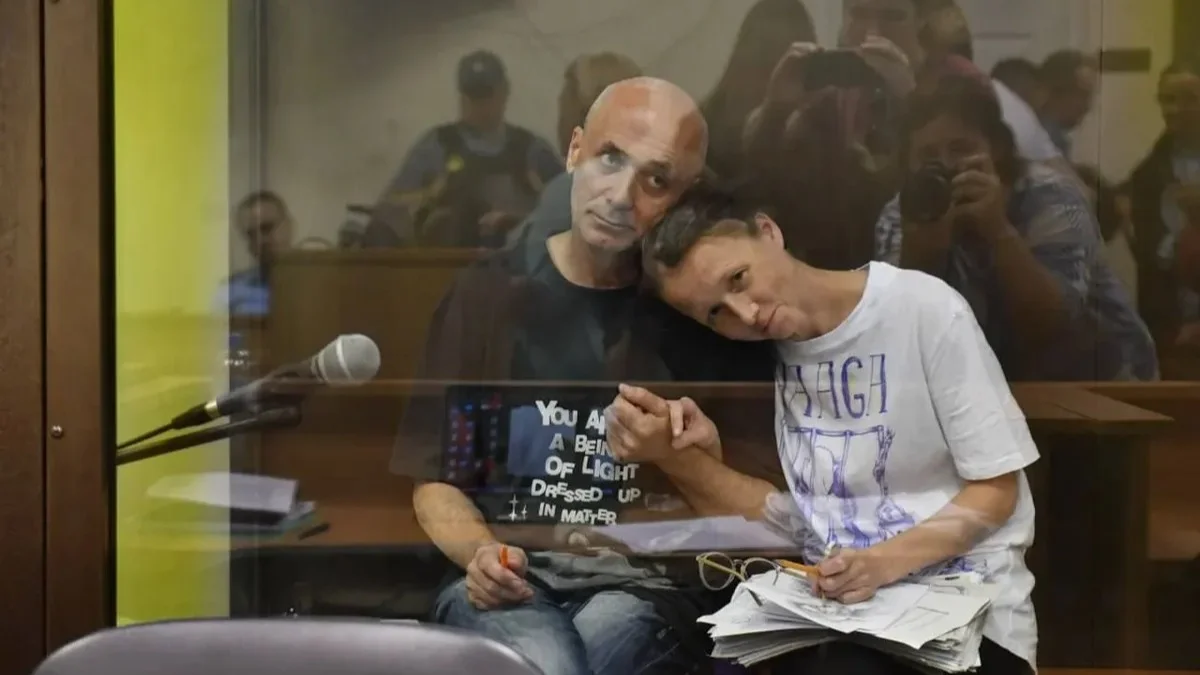
Russian political prisoner dies after suffering heart attack in custody
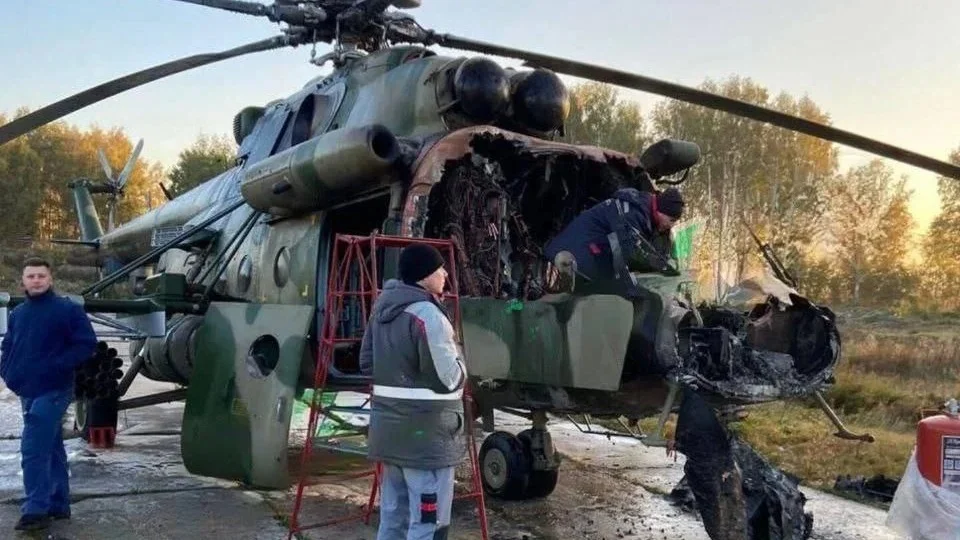
Two Russian minors given 7-year sentences and massive fines for setting fire to military helicopter
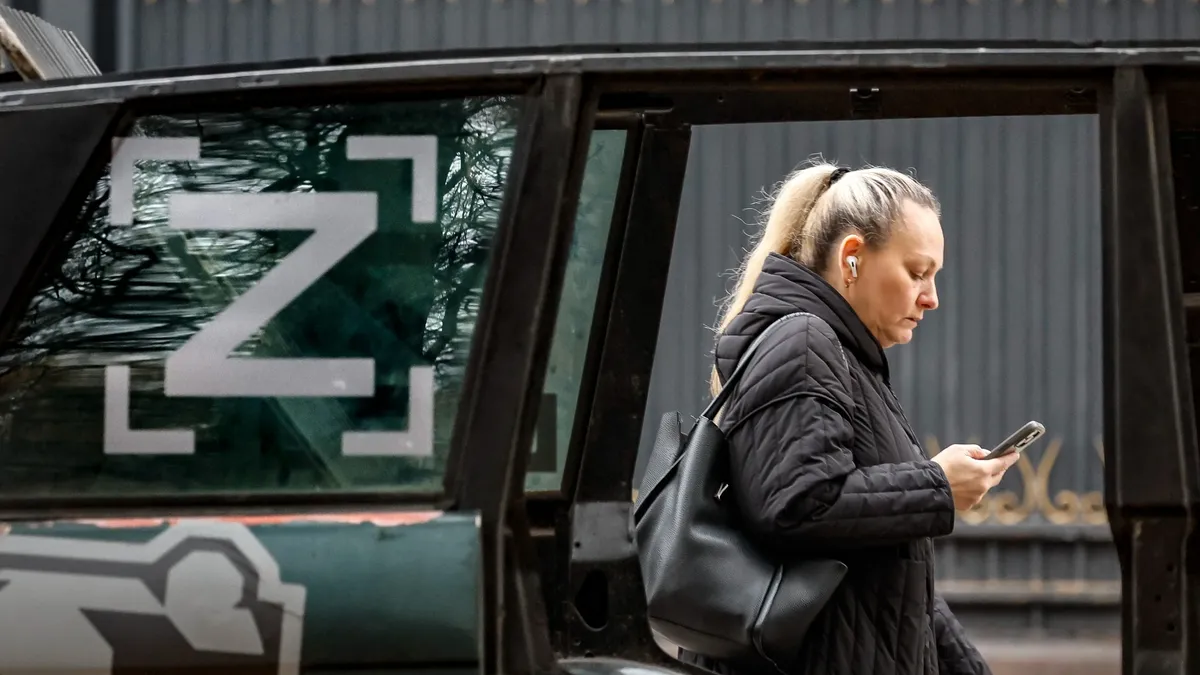
Russia’s State Duma passes law allowing FSB to block individual communications
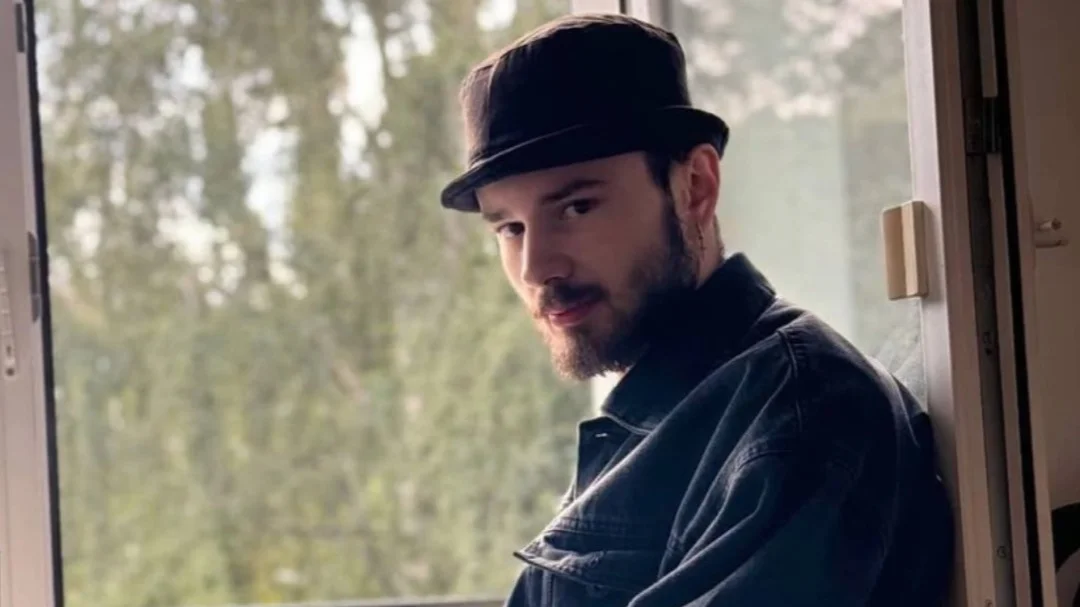
Russian man who declared himself a ‘foreign agent’ as a joke now faces criminal charges
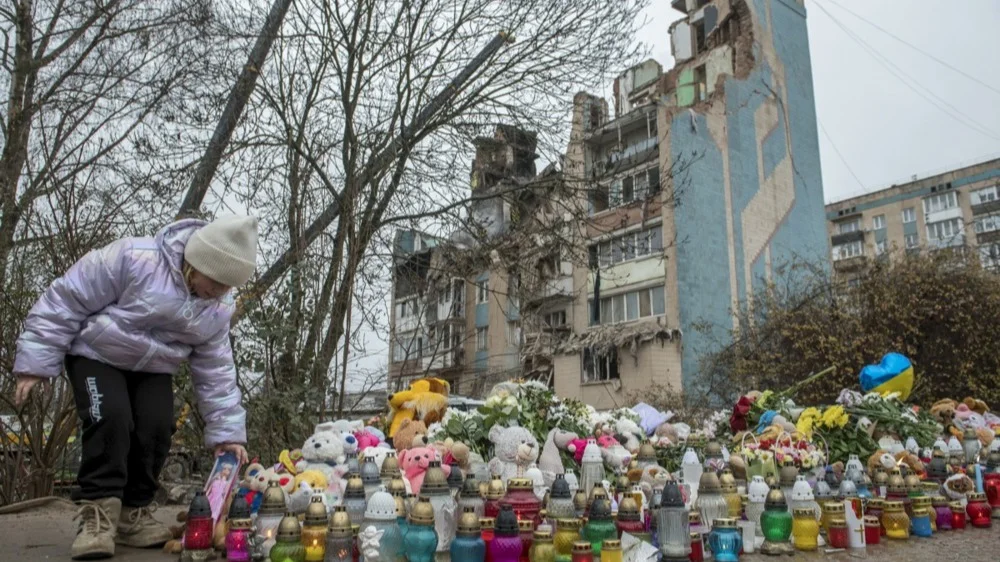
Analysts say 2025 was deadliest year of war for both Ukrainian and Russian civilians
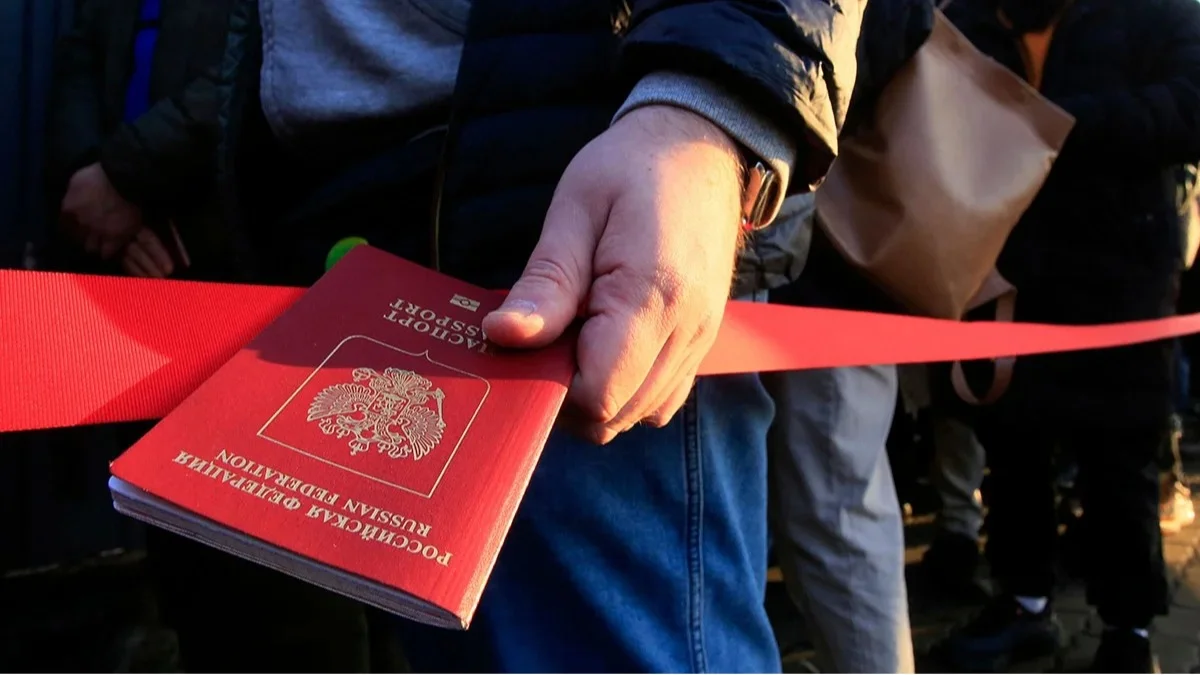
Suspect citizens
Much as in Soviet times, the Kremlin still views those with second passports as disloyal