Breaking the waves
The Kremlin’s latest attempt to quash Telegram echoes the Soviet Union’s war on foreign radio broadcasts
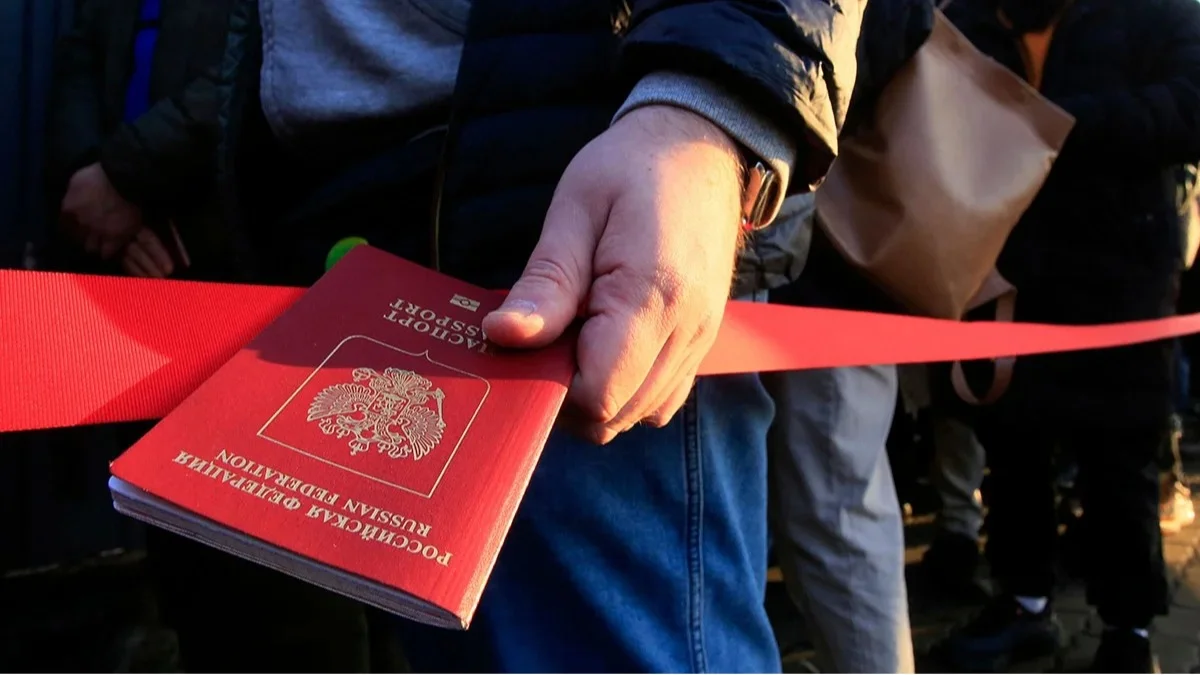
Telegram has long been more than just a messaging app for Russians — it’s a fully fledged media outlet, one of their main platforms for accessing news, discussing current events and publicly airing their views. The Russian state’s motives in trying to block the platform are clear, to make users switch to the state-backed — and state-monitored — “everything app” MAX and bring Russian society under total control in terms of its online consumption.
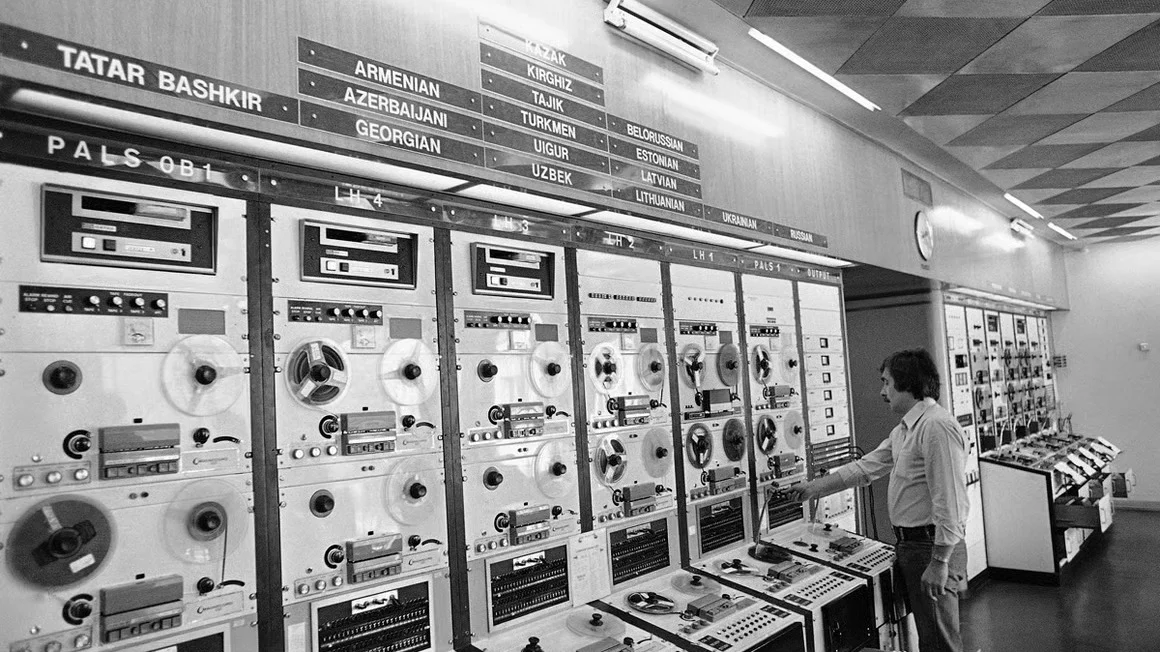
Whereas listening to the radio had once been a collective experience, it became an individual pastime, which was inevitably much more difficult to monitor or control.
“We even listened to Vatican radio, which gave a good overview of what was happening in the Soviet Union, and we weren’t bothered that the presenter said ‘God bless you’ at the end,” Russian historian Sergey Ivanov recalls.
Many Soviet citizens also actively tried to listen to foreign radio stations. In the 1960s and 1970s, many bought high-quality radios such as the Latvian Spidola or, when possible, German Grundig sets. People put the receivers on their side, turned them upside down, stuck antennas out the window and even drove out of the cities to their dachas where jamming was less effective.

“We even listened to Vatican radio, which gave a good overview of what was happening in the Soviet Union, and we weren’t bothered that the presenter said ‘God bless you’ at the end,” Russian historian Sergey Ivanov recalls.
When the Soviet army invaded Czechoslovakia in the summer of 1968, Soviet holidaymakers were able to hear the news while lying on the beaches of the Baltic Sea. Political scientist Masha Lipman, who was in Lithuania at the time, recalled: “That summer, antennas shot up all over the beach. And in the circles we mixed in, whenever anyone said they heard something ‘on the radio’, it meant the Russian-language programmes on Voice of America, the BBC or Deutsche Welle.”
Listening to foreign radio was not automatically a criminal act. It really depended on who was listening to what. Estonians, for example, listened to Finnish radio with impunity, just as people in Tajikistan listened to religious broadcasts from Iran, and Siberians could listen to programmes about the cultural revolution in Beijing.