‘We just watch a country being destroyed on TV’
Why do sanctions not work and is ‘Western hypocrisy’ to blame for the war in Ukraine? Thomas Piketty, leading inequality expert, explains
A few years ago, French economist Thomas Piketty with co-authors published a study which suggested that Russian elites could have “privatised” and withdrawn up to €2 trillion of oil and gas revenues from the country since the year 2000. This money, as a rule, passed through a chain of offshore companies and settled in Western jurisdictions — London, Paris, and other European capitals willingly accepted the flow of oil money, while politicians often turned a blind eye to their origin.
After the start of the Russian invasion of Ukraine, the situation seemingly changed — a record number of sanctions were imposed against Russia, some assets of Russian oligarchs were frozen. But it's still a drop in the ocean, and the reason is not the Russian kleptocracy, says Piketty. Rather it is the Western elites who have been benefiting from an unjust financial and legal system that protects the super-rich.
Novaya Gazeta Europe spoke to the economist about what the West can still do to stop Putin and what instruments there are to reduce extreme inequality in the world.
My colleagues Gabriel Zucman, Filip Novokmet and I have done estimates of total financial assets held by wealthy Russians in the West. We cannot be sure but it’s somewhere between 1-2 trillion euros.
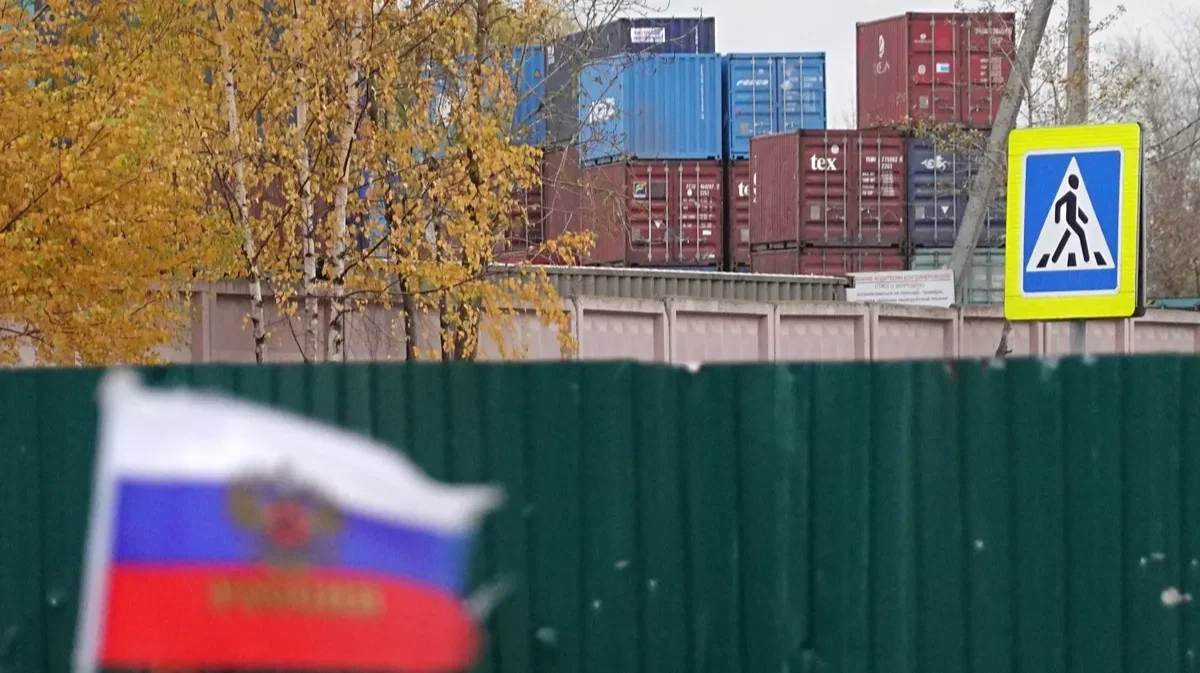
But in practice, when they can get more money into their financial system, whether it comes from Russian, Chinese or Dubai oligarchs or anybody who wants to put money in Paris or London or Cote d’Azur or Courchevel, it is most welcome.
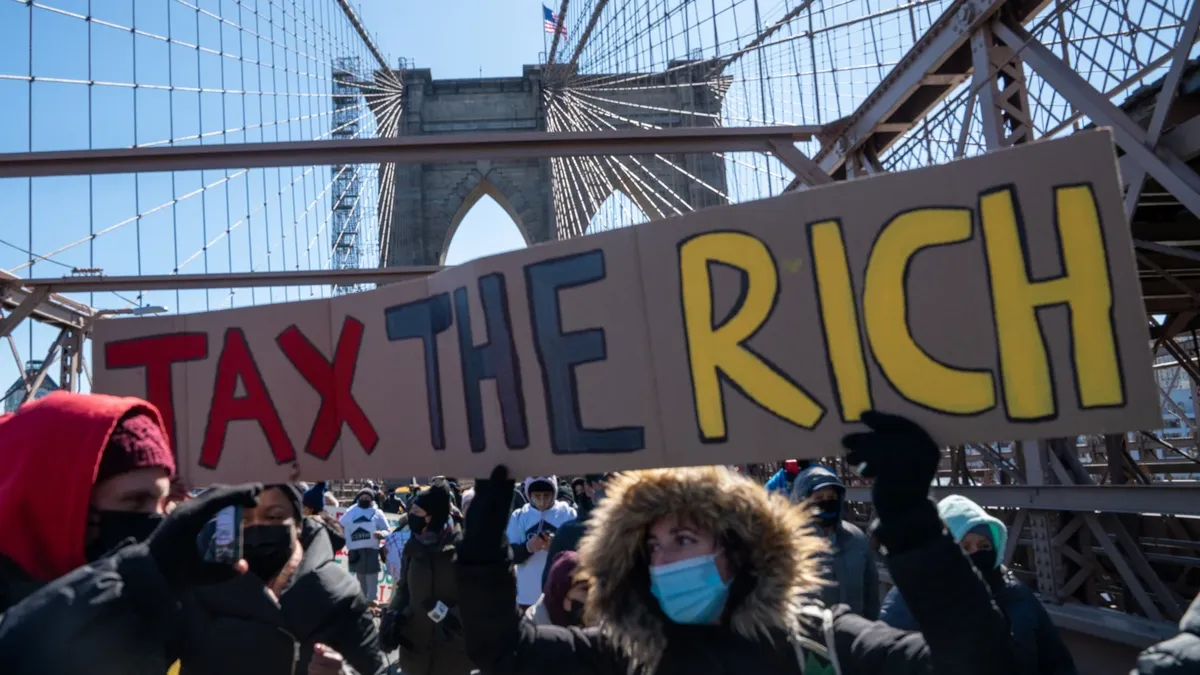
If minimum wage workers pay the cost of sanctions, indeed you have a problem. But the only solution, given how wealthy Western countries are, is to redistribute the wealth so that the cost of the adjustment is paid by the people at the top, and not by the people at the bottom and in the middle class.
We are so accustomed to this very asymmetrical legal system that we find it perfectly fine, but in fact, it’s a very biased view of the rule of law.
ЕС согласовал 19 пакет санкций: ограничения против банков, блокировка транзакций с криптовалютой, запрет на импорт СПГ и многое другое
Теперь в центре внимания — судьба российских замороженных активов
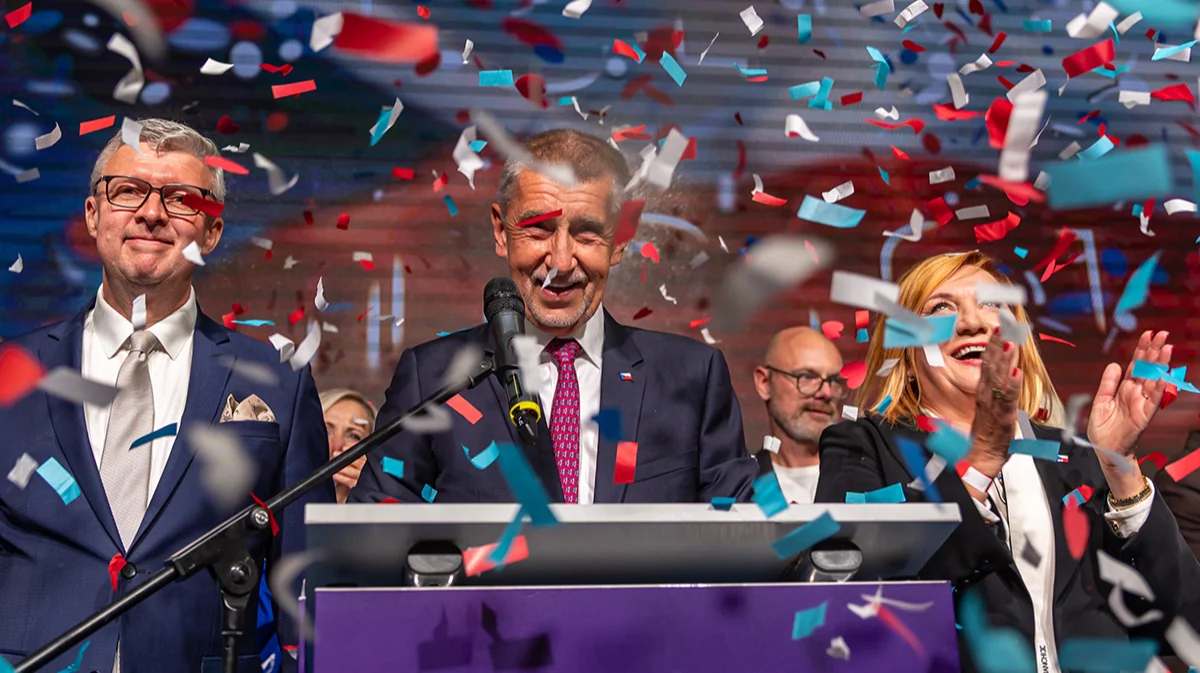
На выборах в Чехии первой стала партия правого популиста Андрея Бабиша
Присоединится ли страна к антиукраинскому альянсу Венгрии и Словакии, зависит от президента
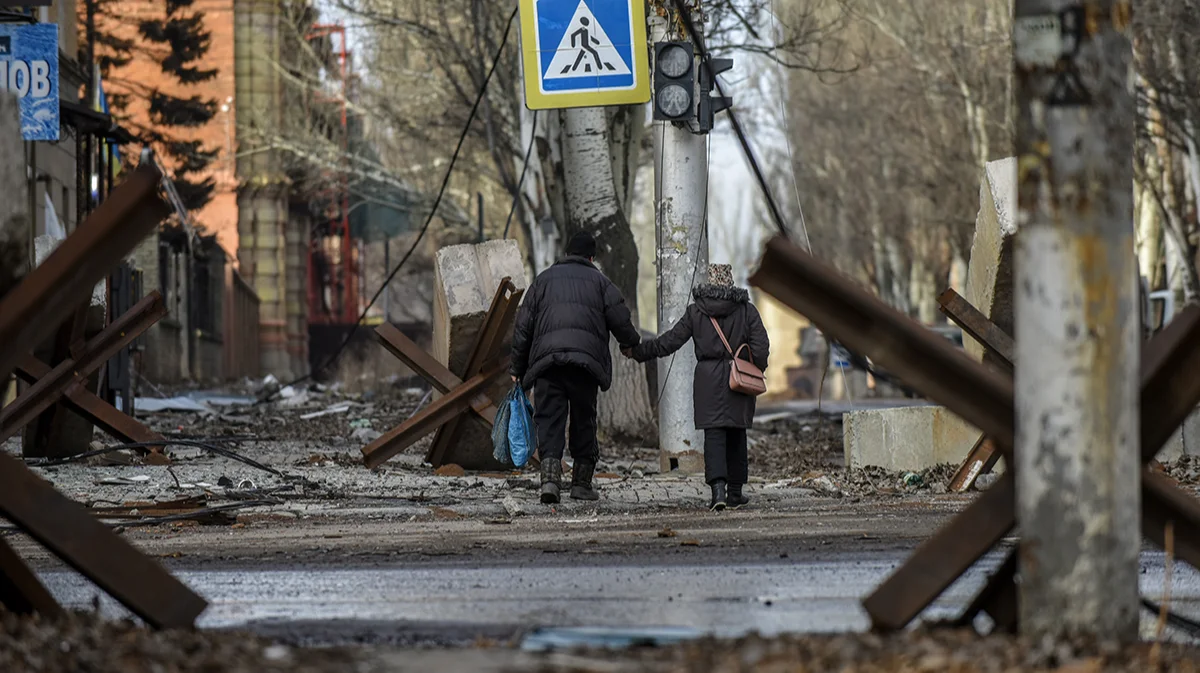
«Европейцы должны быть абсолютно уверены: независимо от решений в Вашингтоне мы будем сдерживать Россию»
Интервью с экс-послом Великобритании в России Лори Бристоу
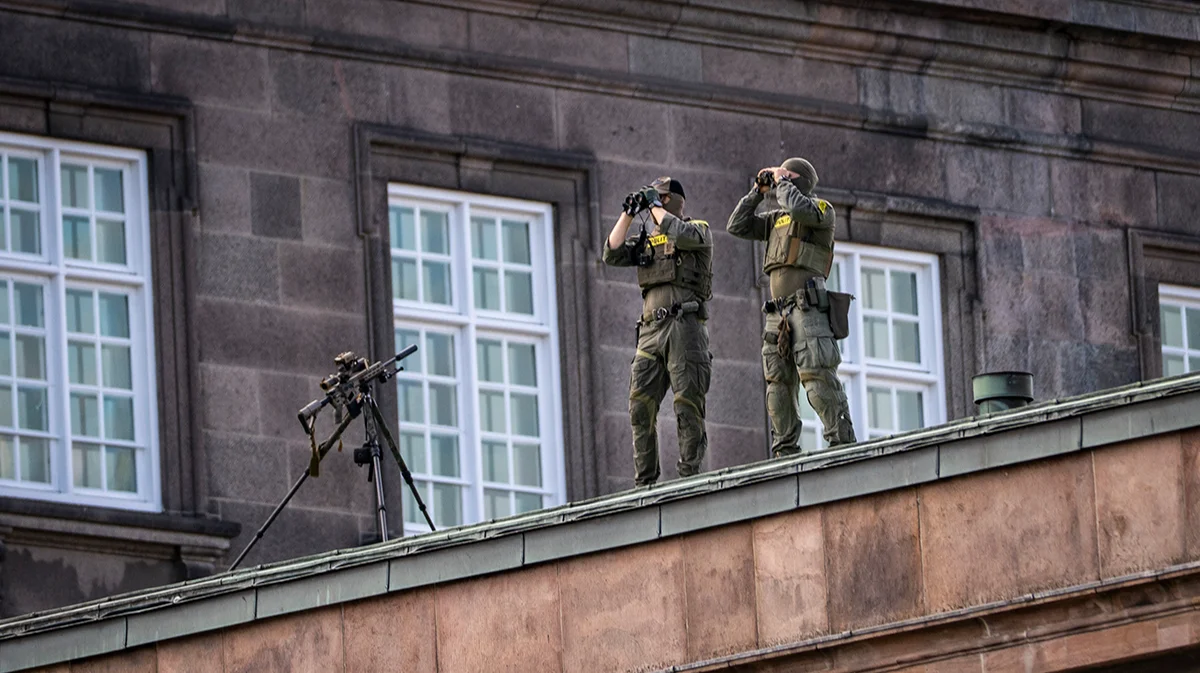
Дрон у ворот
Лидеры стран ЕС обсудили загадочные инциденты с беспилотниками и случаи вторжения российских истребителей. Как уменьшить угрозу с воздуха?
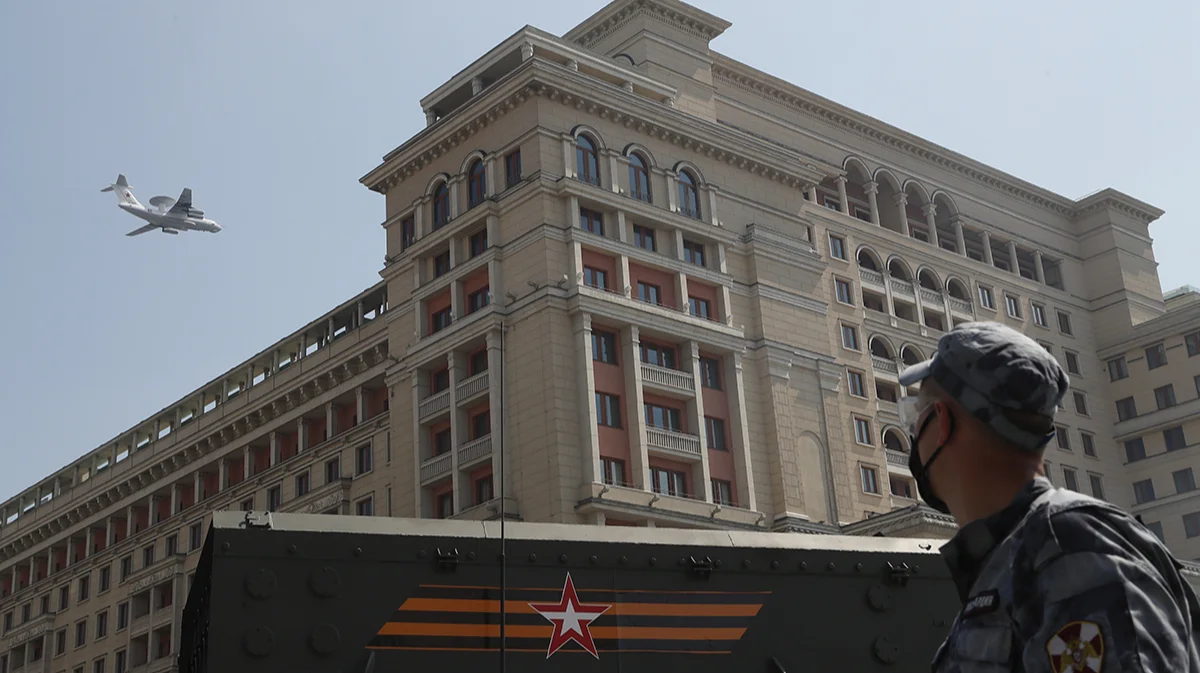
Неоднозначный сигнал
Из-за проблем с GPS в ЕС пилоты используют классические методы навигации. В сбоях обвинили Россию. Это побочное следствие борьбы с украинскими дронами или элемент гибридной войны с Западом?
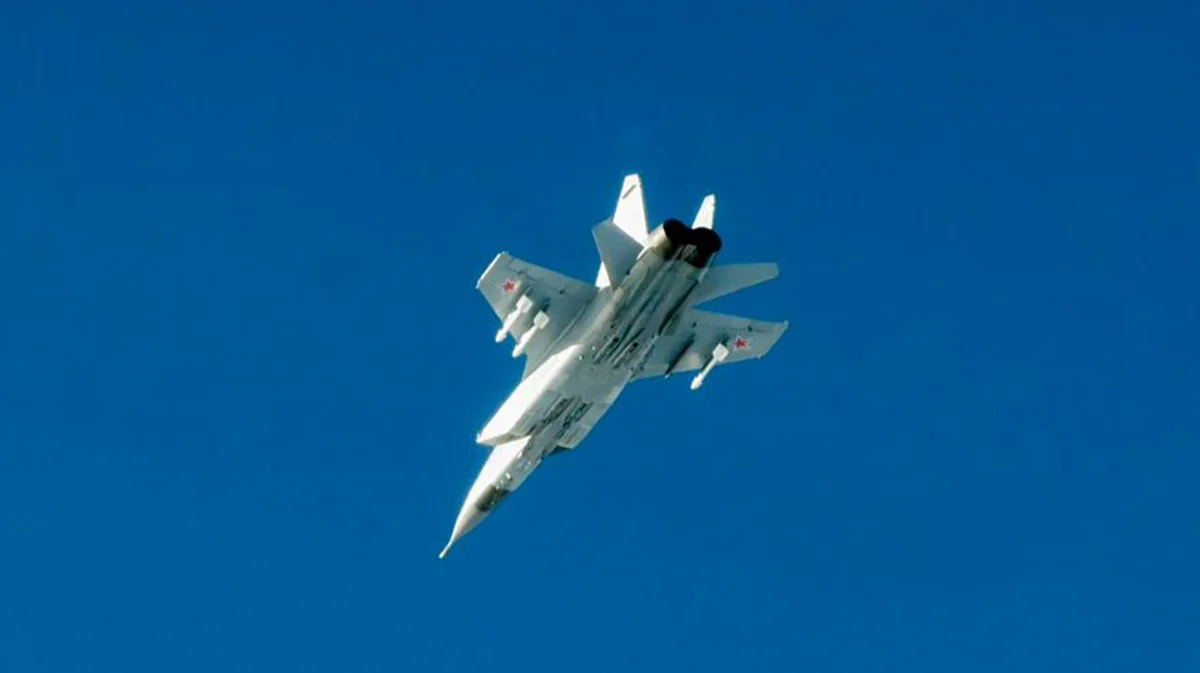
Российские МиГ-31 вторглись в небо Эстонии. На войне с Украиной их используют для пусков ракет «Кинжал»
Москва инцидент отрицает. Рассказываем, как на случившееся отреагировали НАТО и ЕС
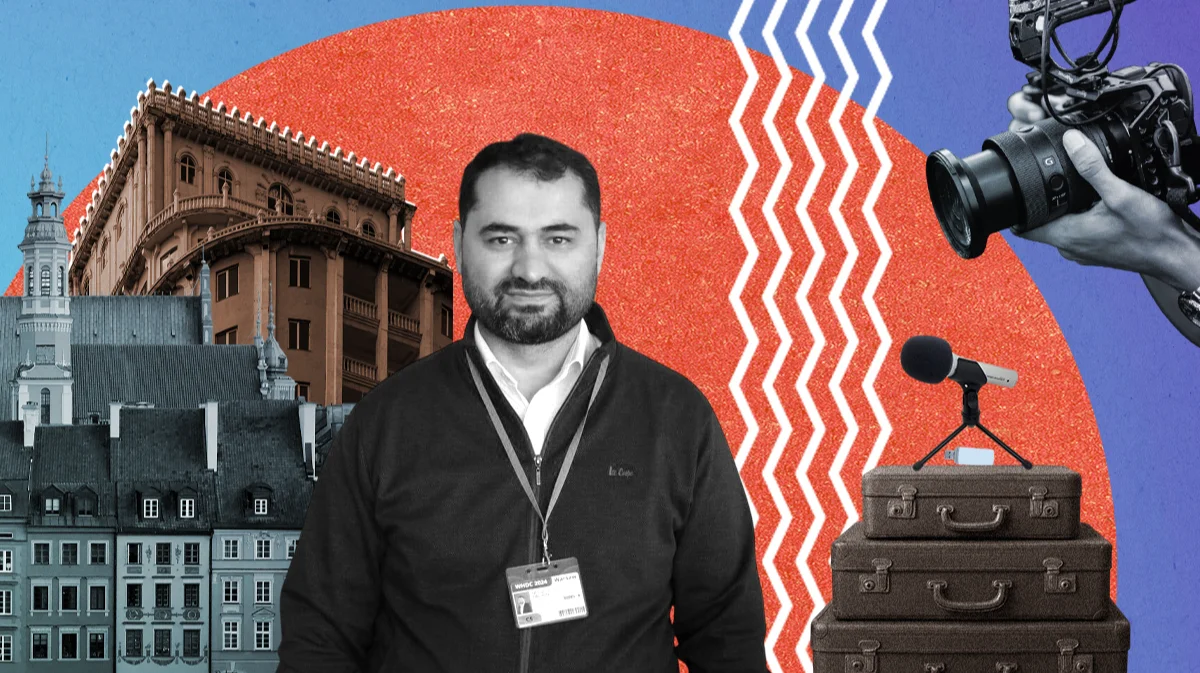
Басмач с карандашом
Таджикский журналист создал в Европе телестудию. В ответ режим Рахмона отнял у его отца паспорт и имущество. История Мухамаджона Кабирова
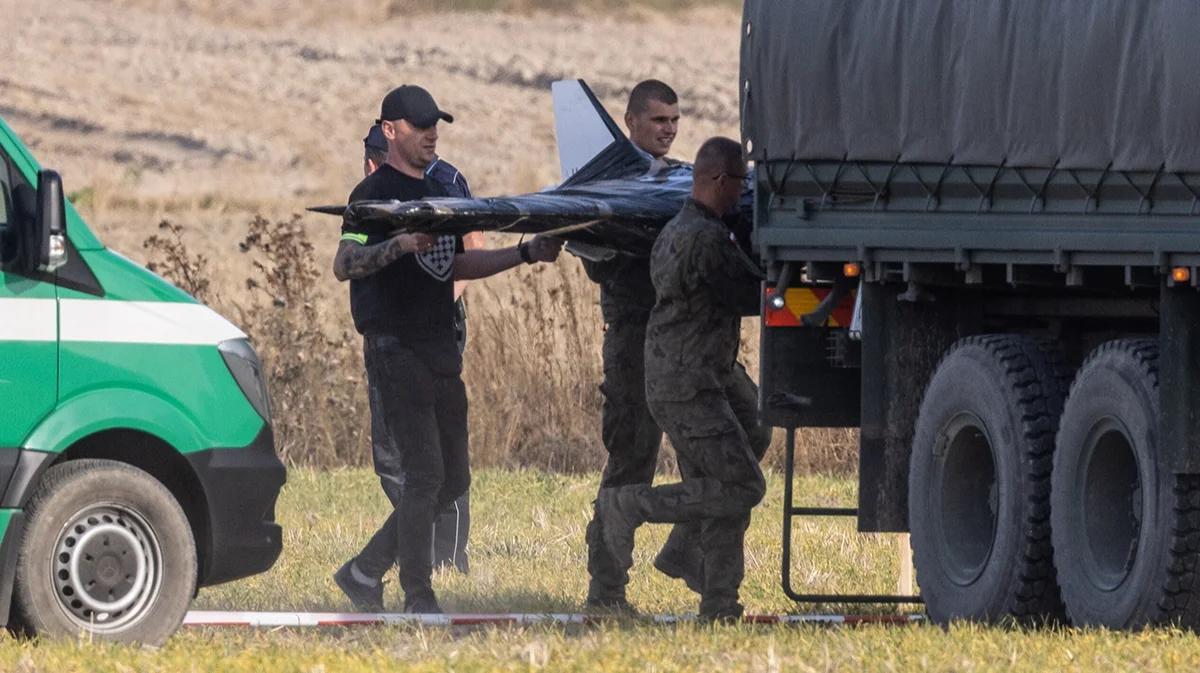
«Сбитые дроны — сигнал России и другим странам НАТО»
Эксперт Crisis Group Ольга Оликер — о значении инцидента с российскими беспилотниками в Польше и переломе в политике альянса
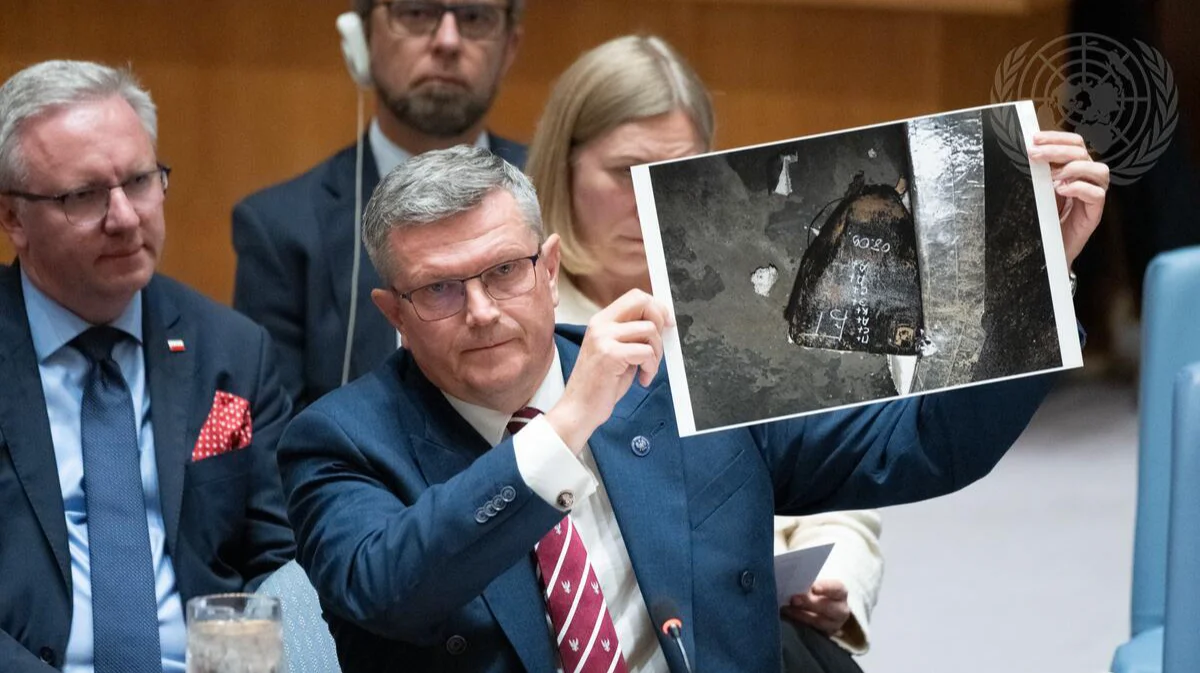
Более 40 стран ООН осудили Россию за вторжение дронов в Польшу
На заседании Совбеза показали фото с обломками беспилотников. США пообещали «защищать каждый дюйм НАТО»