Bird of prey
Serbian authorities attempted to ban a Russian anti-war activist from entering the country. What does this mean for Russian exiles in Serbia?
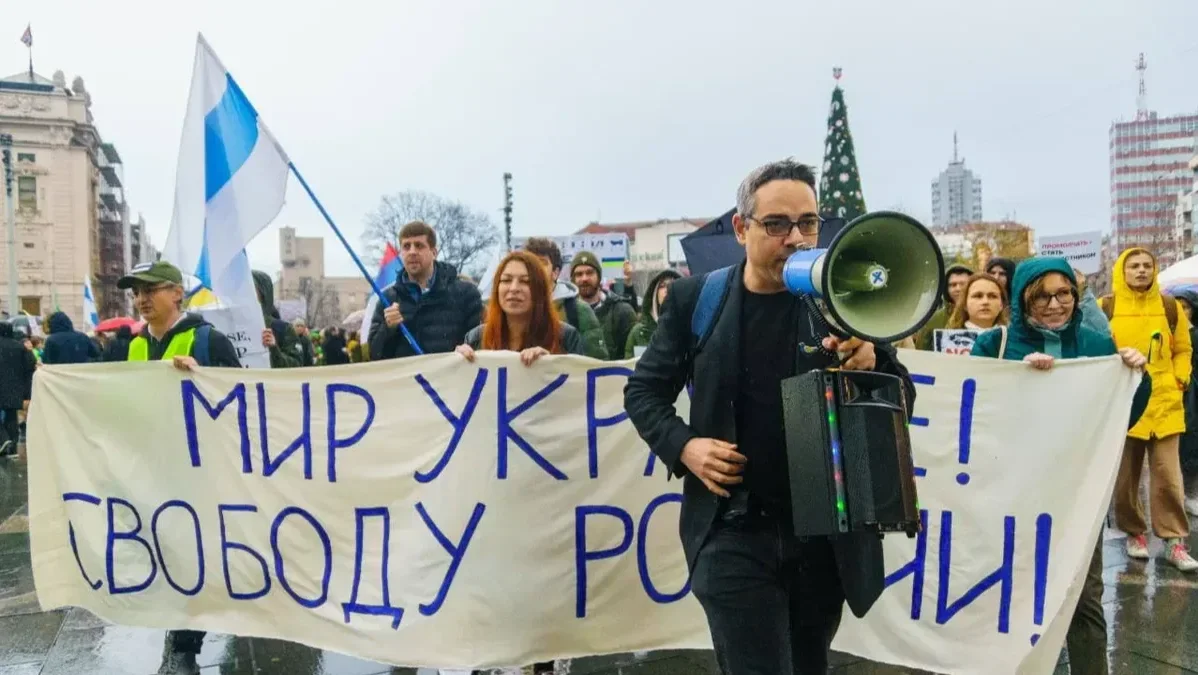
Following the Russian invasion of Ukraine, Serbia has become one of the main destinations for Russians fleeing the country. Among the emigres are political activists who opposed Vladimir Putin’s regime and his decision to invade Ukraine. So far these people could feel safe: no Russians were punished for their political stance in Serbia, unlike in Georgia or Kyrgyzstan, for instance.
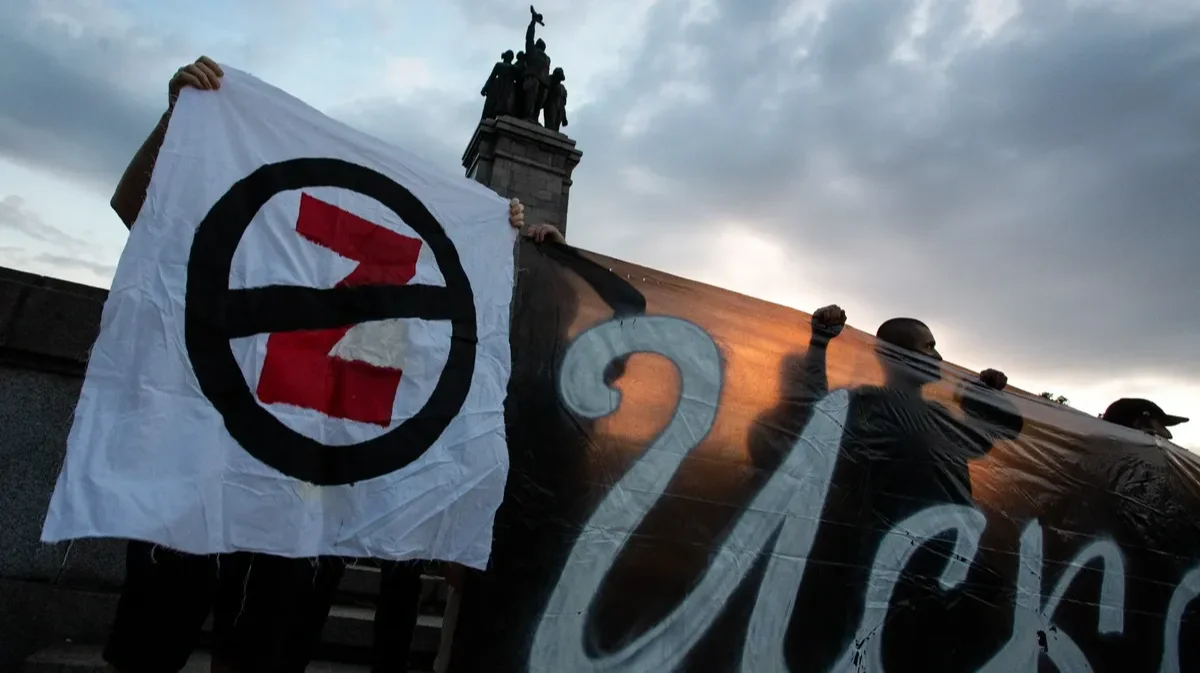
This changed on 13 July when Peter Nikitin, an anti-war activist who organised anti-Putin rallies in Belgrade, was not allowed to enter Serbia. Although he was eventually let into the country, the faith in Serbia as a safe haven for anti-war Russians cracked.
In his exclusive piece for Novaya-Europe, Aleksandar Đokić, a political scientist, has explained why Serbia’s authorities attempted to bar Nikitin from entering the country, why they eventually changed their mind, and how the activist could have fallen prey to major political developments in Serbia and the Western Balkans.
Christopher Hill, the US ambassador to Serbia, has explained that the US is aiming to improve the relationship with the Balkan country as the relations between Belgrade and Pristina are also changing, but the obstacle is Vulin, i.e., the Russian influence.
Milivojević issued a statement, blaming the situation on Vulin’s agency to which he referred to as “the core instrument of Aleksandar Vučić’s anti-European policy”.
Since the Serbian leadership can neither cut ties with the West nor its voters, it is going to go ahead with this strategy in the future as well.

Academic retreat
Central European University’s ‘undesirable organisation’ label has created a headache for its roughly 100 Russian students and staff
‘Ukraine has made Russia weaker’
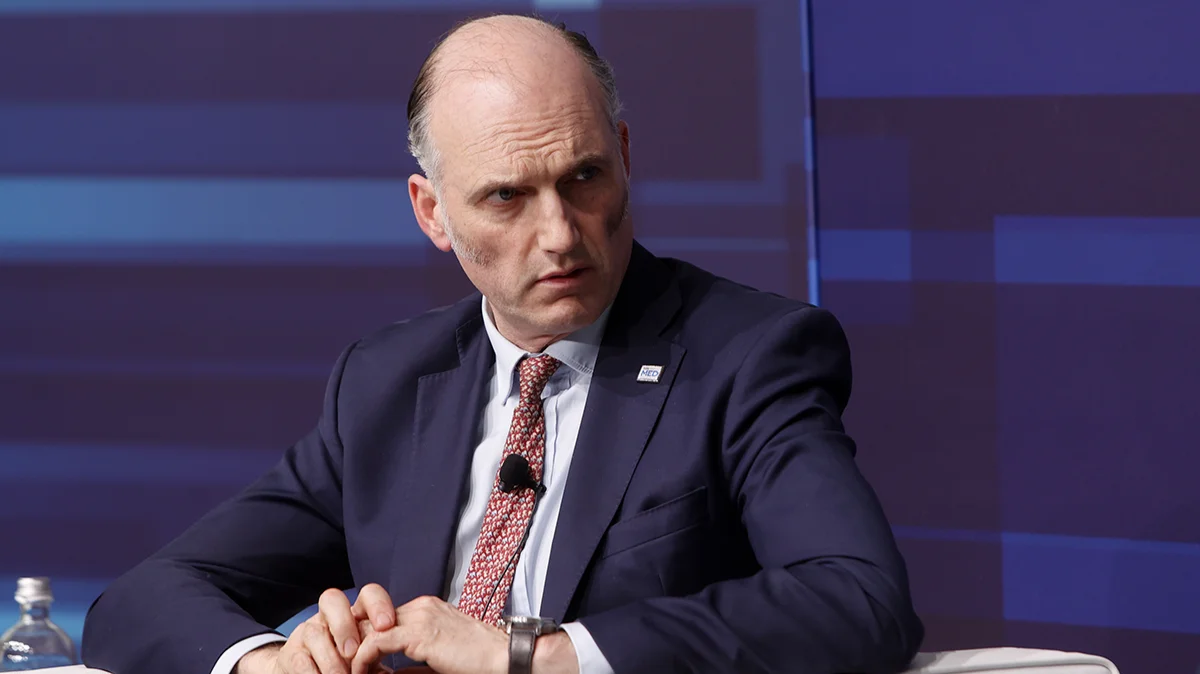
Britain’s former Minister of Defence on how the war has diminished Russia but united Europe
Final communiqué
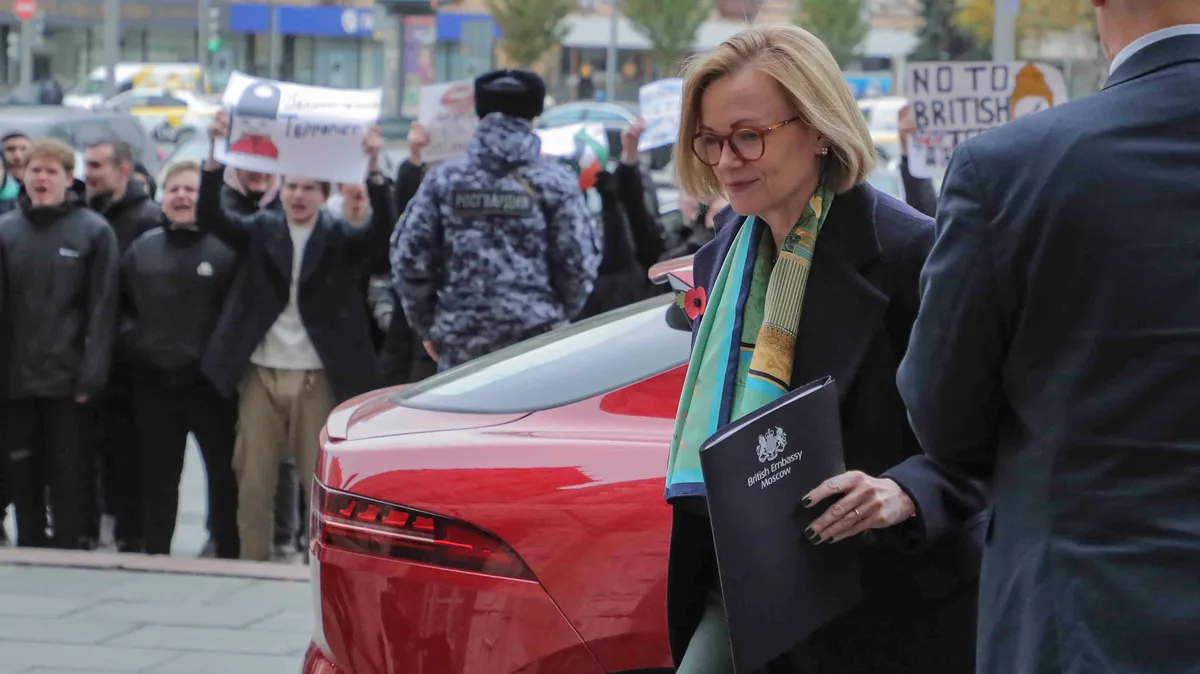
The outgoing British ambassador to Moscow reflects on the parlous state of UK-Russian relations

Gerhard Schröder is unrepentant
Former chancellor Gerhard Schröder has become synonymous with German outrage
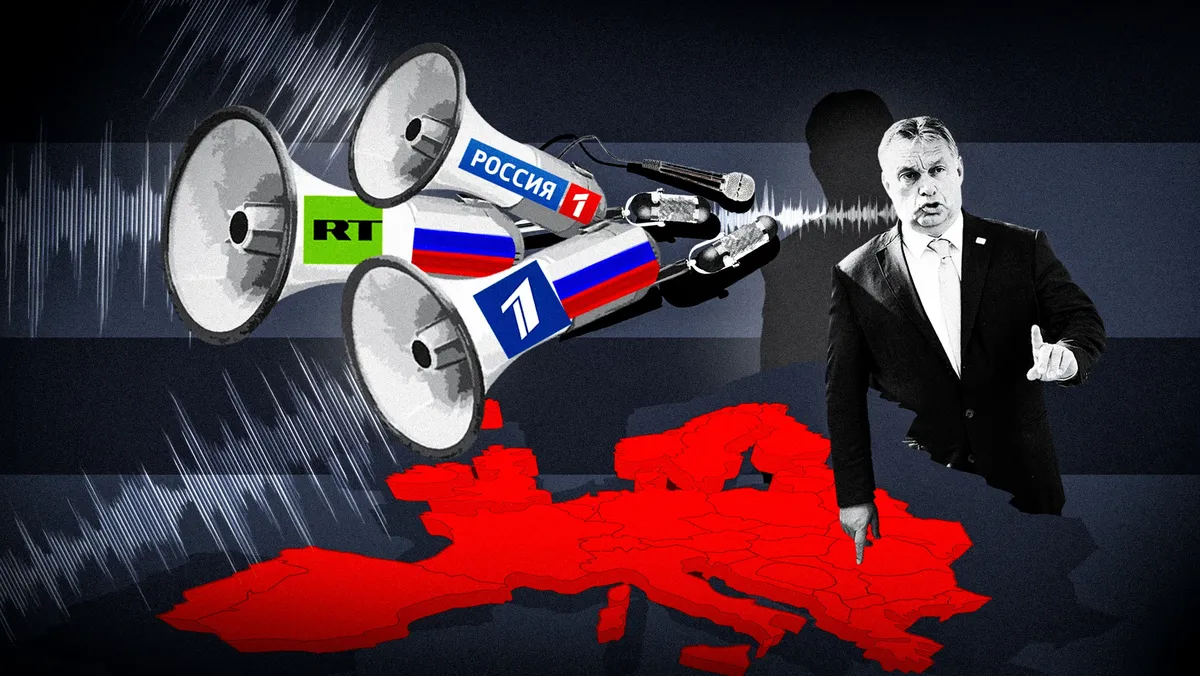
How the Kremlin promotes Orban as the voice of ‘real’ Europe
An overview of the Russian propaganda’s coverage of Hungary
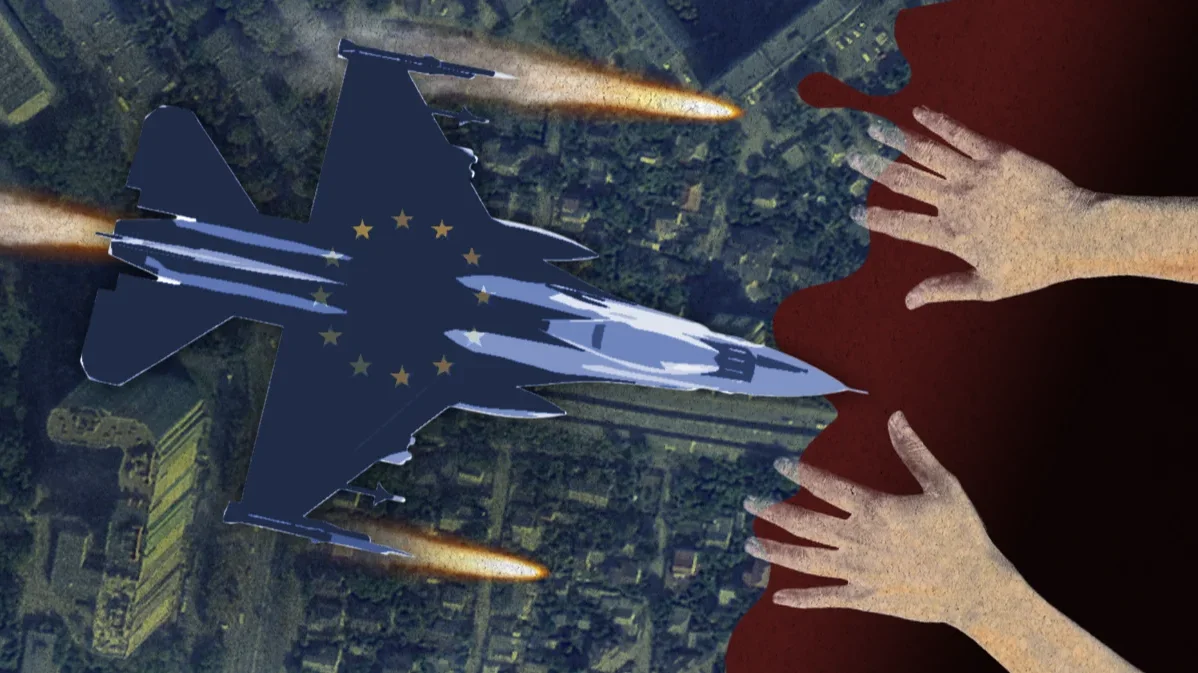
The fighters coalition
Kyiv is preparing to receive F-16 fighter jets from its allies. This won’t be much help for the counteroffensive, but will make it harder for Moscow to win a war of attrition
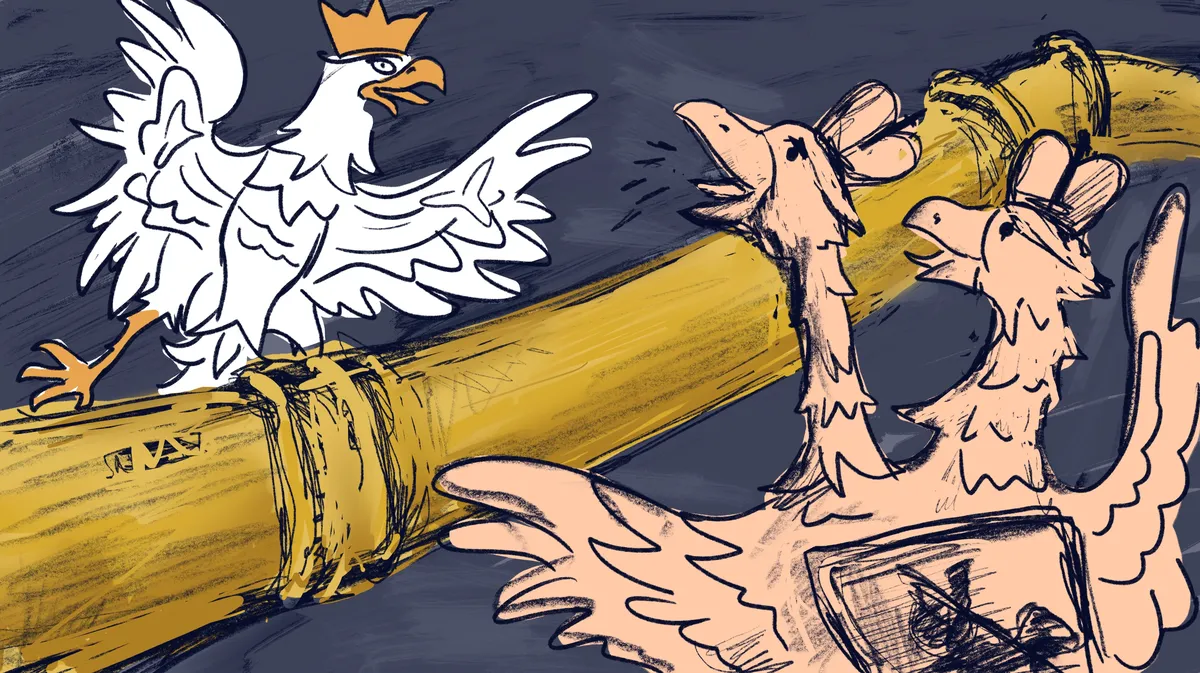
From tentative partners to enemies: a retrospective on Poland-Russia relations
Despite attempts to establish dialogue in the 00s, the goodwill between Moscow and Warsaw seems to have run out completely by 2023
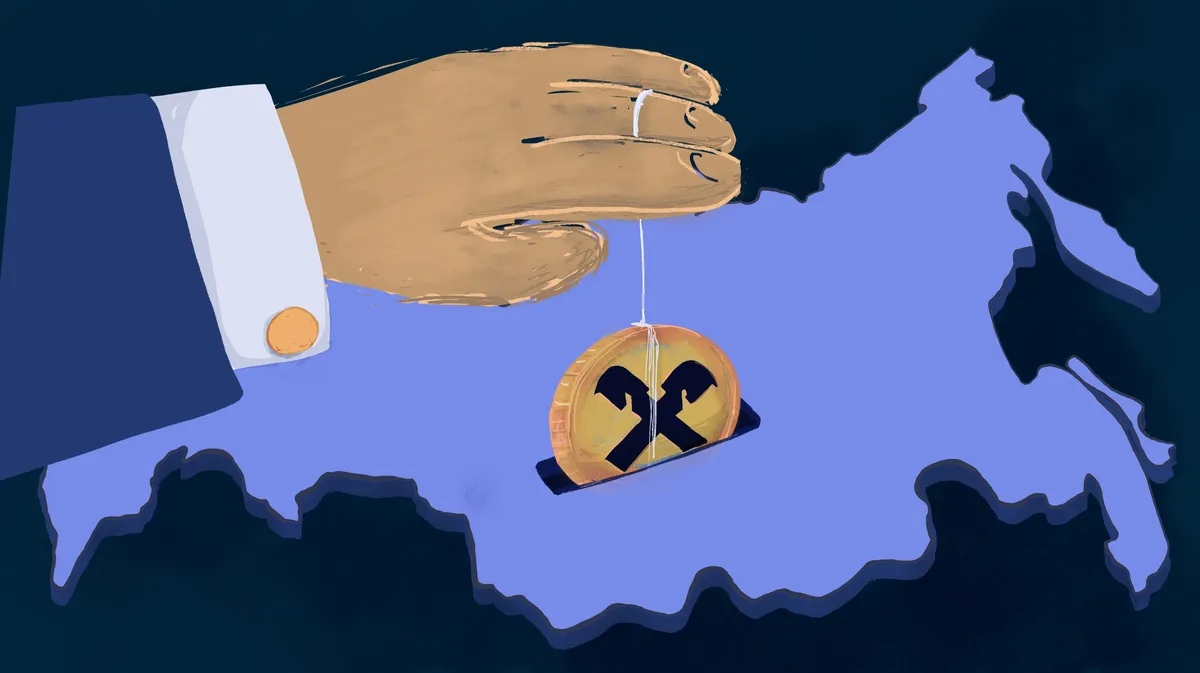
Schrödinger’s bank
How Austria’s Raiffeisen Bank is (not) leaving Russia after a year of war
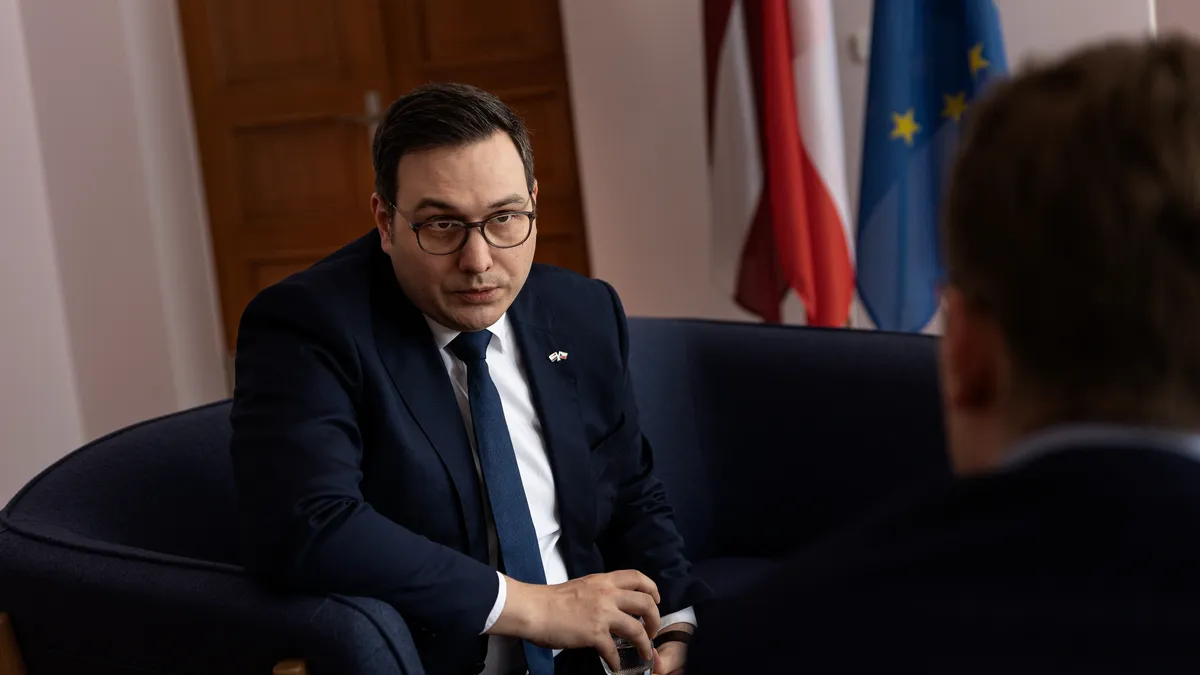
‘We’re not interested in being ruled from Moscow’
Czech Foreign Minister Jan Lipavský talks about his country’s efforts to bring peace to Ukraine