Slaughter of the innocents
The list of civilians killed in targeted Russian missile strikes in Ukraine continues to grow

A Russian missile strike on the Kharkiv region village of Hroza on 5 October killed 50 people, including a child, who had gathered to mourn the death of a Ukrainian soldier. The explosion was so powerful that it subsequently proved impossible to determine the child’s gender.
Kyiv believes that the strike could have been guided by a spotter, who is now being actively sought by the authorities.
The Russian military launched another strike the following day, this time on the city of Kharkiv itself, damaging three buildings and killing a 10-year-old boy and his grandmother.
We look back at some of the worst atrocities inflicted on Ukrainian civilians in the war so far.
Military fatigue
Are peace negotiations between Kyiv and Moscow currently out of the question?
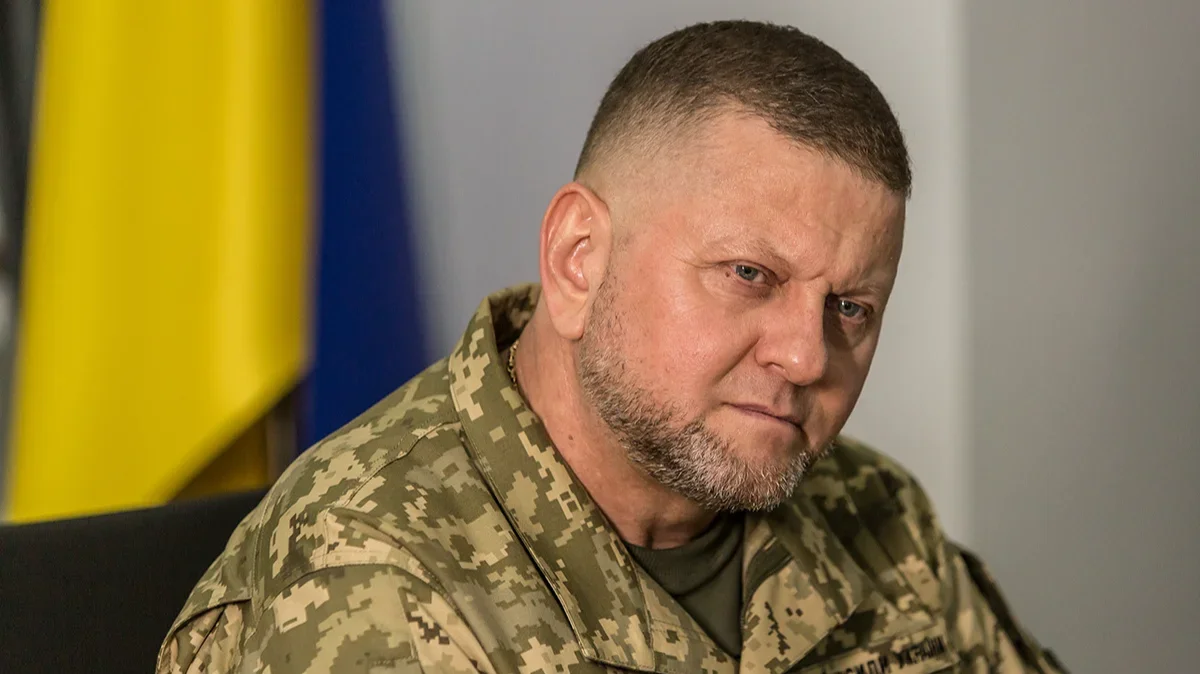
Gunpowder, treason and plot
Olga Musafirova on how two articles about Ukraine published in The Economist and TIME magazine last week have been received domestically
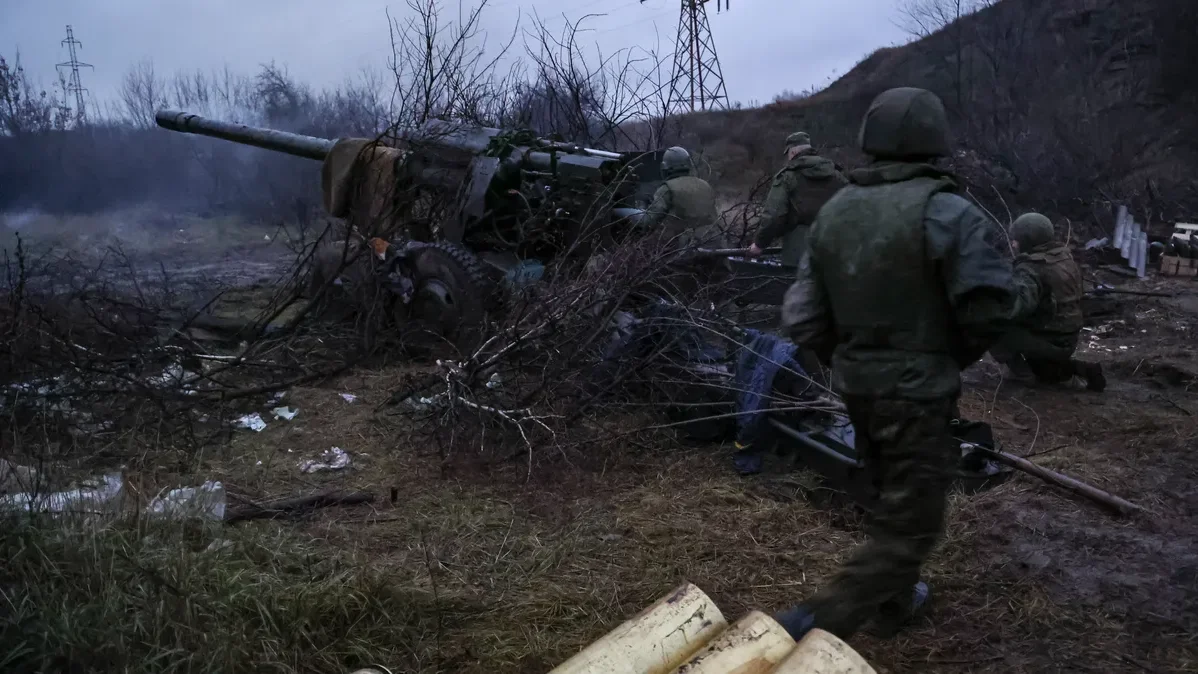
‘Commander, I’m not going out there.’
A Russian officer gives a harrowing account of the carnage he witnessed in the battle for the Ukrainian town of Avdiivka
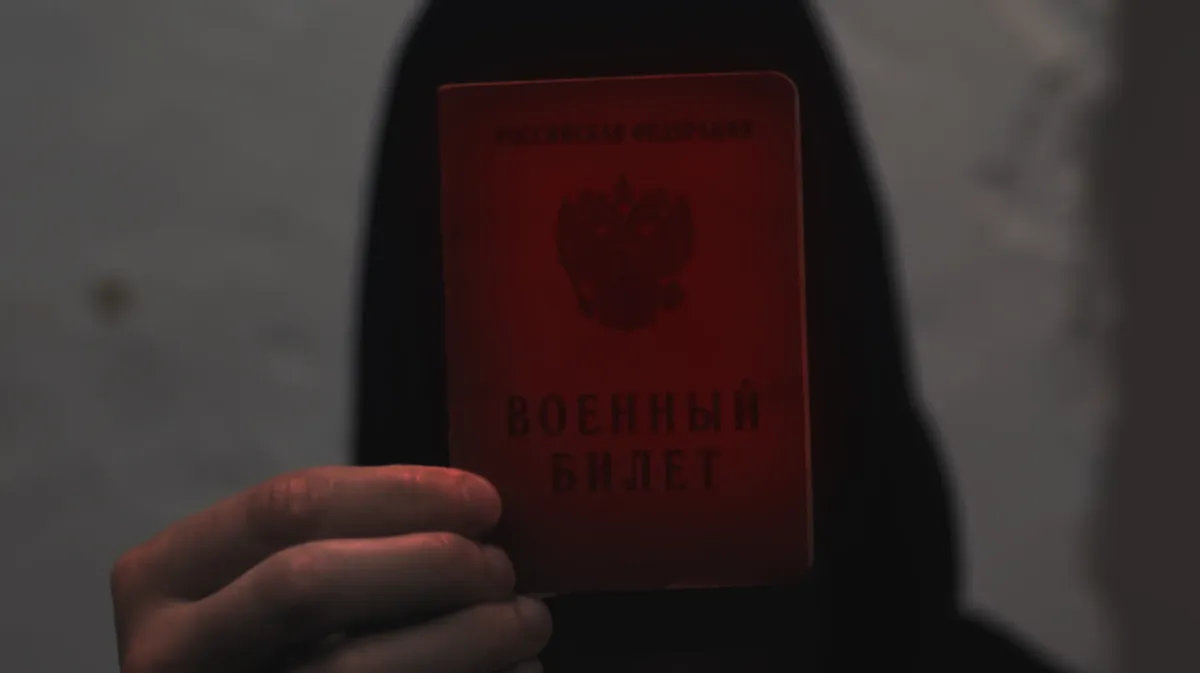
‘I’d be facing 15 years in prison’
A Russian draftee on his escape from the army, the Russian regime, and hope

The Great Escape
A Ukrainian prisoner abducted by the Russian military during its retreat from Kherson last year describes the brutal 10-month ordeal he and 250 of his fellow inmates shared
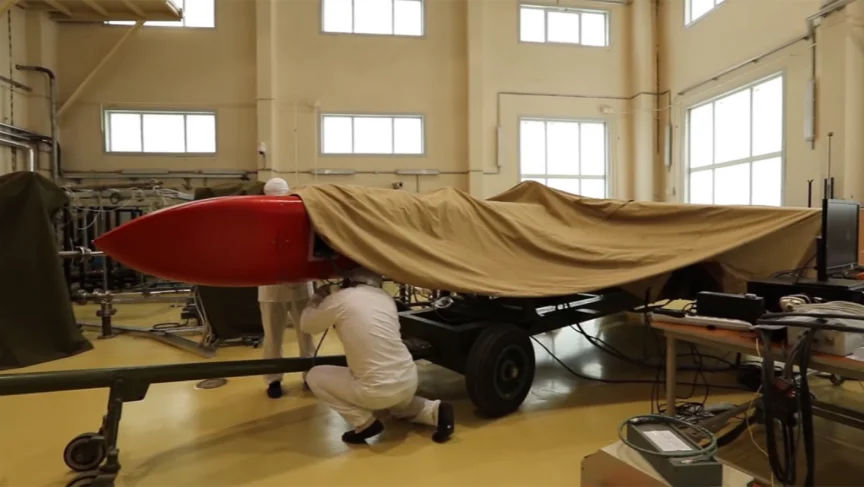
Testing times
Should Putin’s claim that Russia has successfully tested a new experimental nuclear armed missile be cause for alarm?

Holiday from reason
While the Kremlin still doesn’t have full control of the four Ukrainian regions it claims to have absorbed, it has made the anniversary of their 'return' to Russia a new holiday
The hours
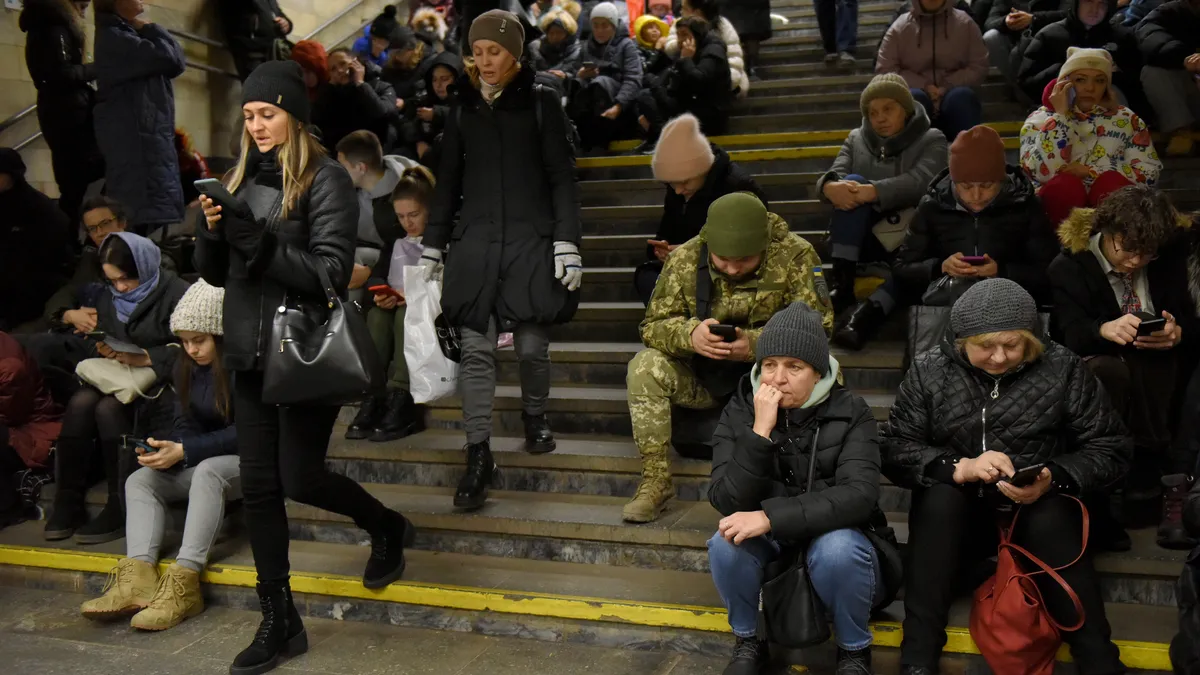
Air-raid sirens have sounded in the Ukrainian capital for over 1,000 hours since the Russian invasion began

Russia’s out-of-control military spending
With spending on the war in Ukraine potentially accounting for 45% of Russia’s budget by the end of the year, what are the implications for the rest of the economy?