Standing room only
Former prisoners describe the brutal conditions of a Russian punishment cell
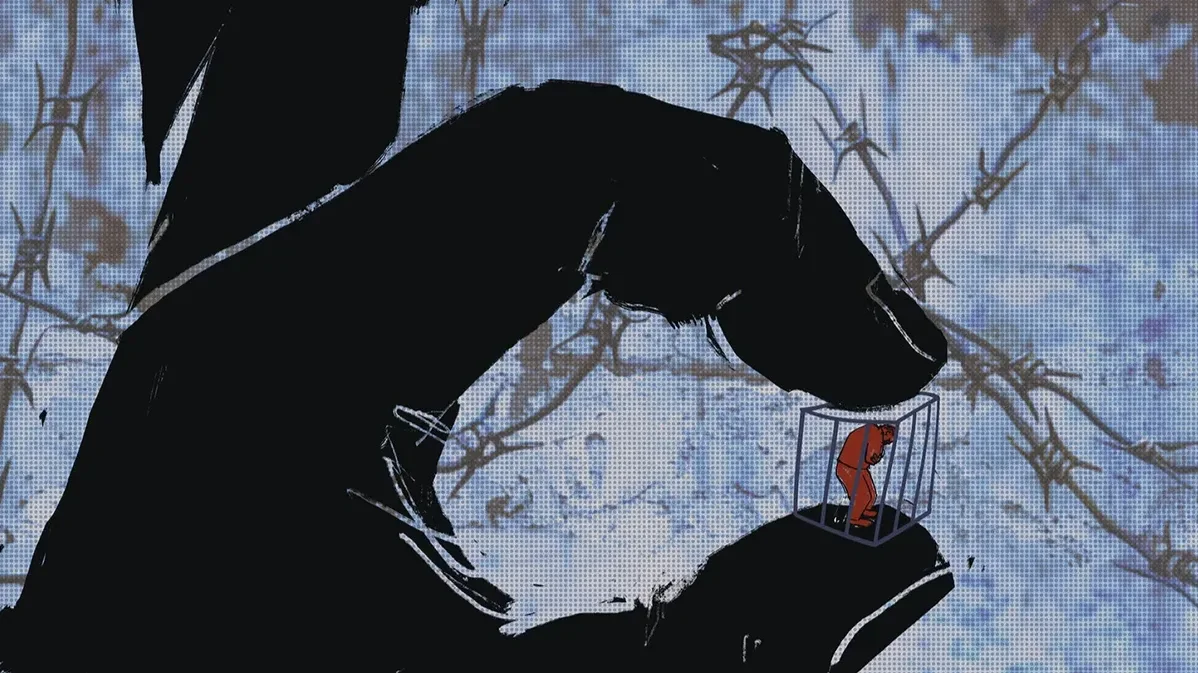
While the circumstances around Alexey Navalny’s sudden death in an Arctic penal colony earlier this month remain unclear, the brutal conditions he experienced in the facility’s punishment cells where he spent over 300 days undoubtedly affected his health.
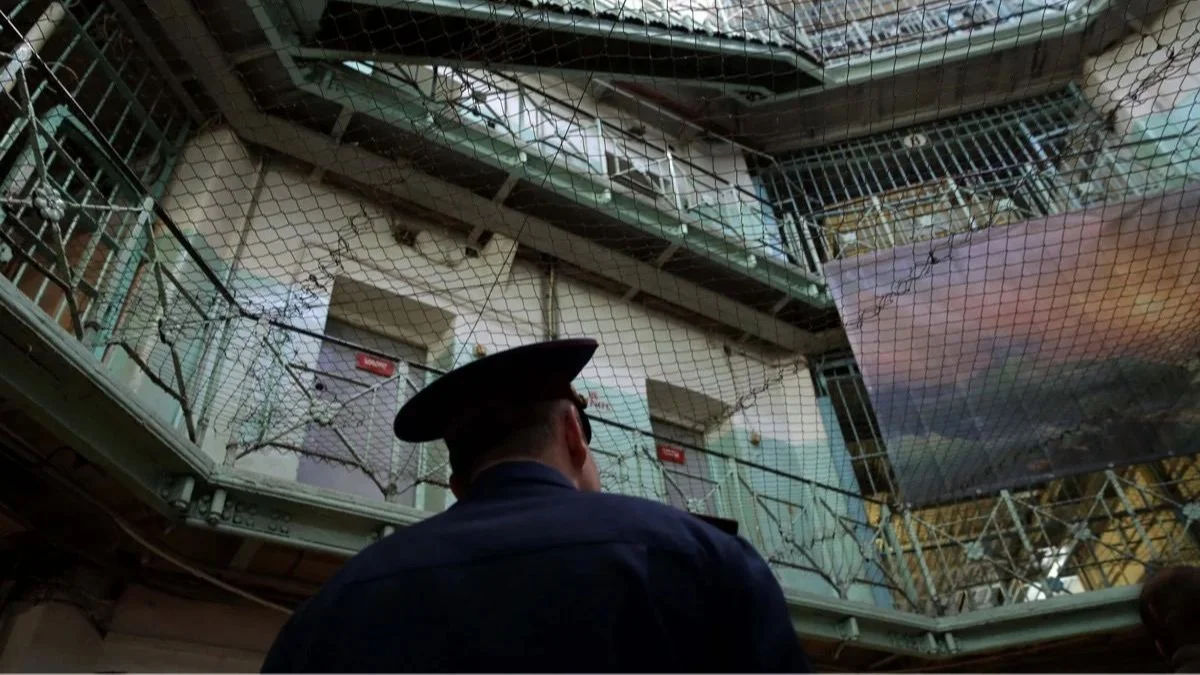
“A concrete box of six or seven square metres, with nothing but a stool, a sink, a hole in the floor instead of a toilet and a bed strapped to the wall so you can’t lie down on it,” was how Yulia Navalnaya described her late husband’s cell in a recent video.
The tiniest infraction of the rules can be used as grounds for sending somebody to a punishment cell, while in some cases no reason is given at all, and their use by the prison authorities to put pressure on political prisoners is on the increase, with Russian human rights watchdog OVD-Info documenting at least 40 individual cases in which prisoners sentenced on politically motivated charges were sent to punishment cells in 2023.
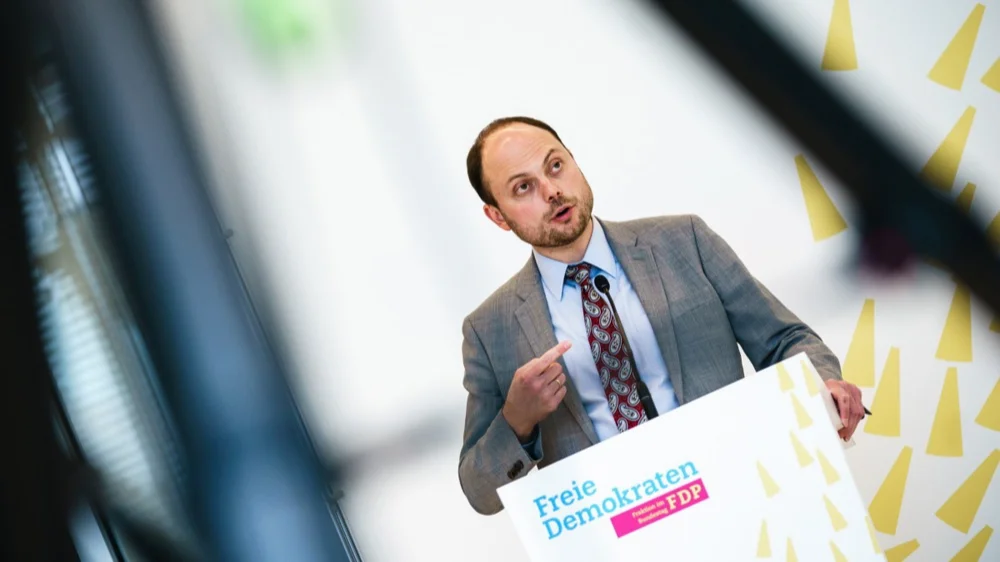
Jailed opposition politician Vladimir Kara-Murza, who is serving 25 years for “treason”, was sent to a punishment cell for rule infractions at least five times in 2023, causing the significant deterioration of his health.
The law limits a punishment cell term to 15 days, but prison officials tend to bypass this restriction by adding a new term upon an inmate’s release, citing new violations. Novaya Europe asked former political prisoners to describe their first hand experiences of these cruel horrors.
Vyacheslav Kryukov: 45 days in punishment cells
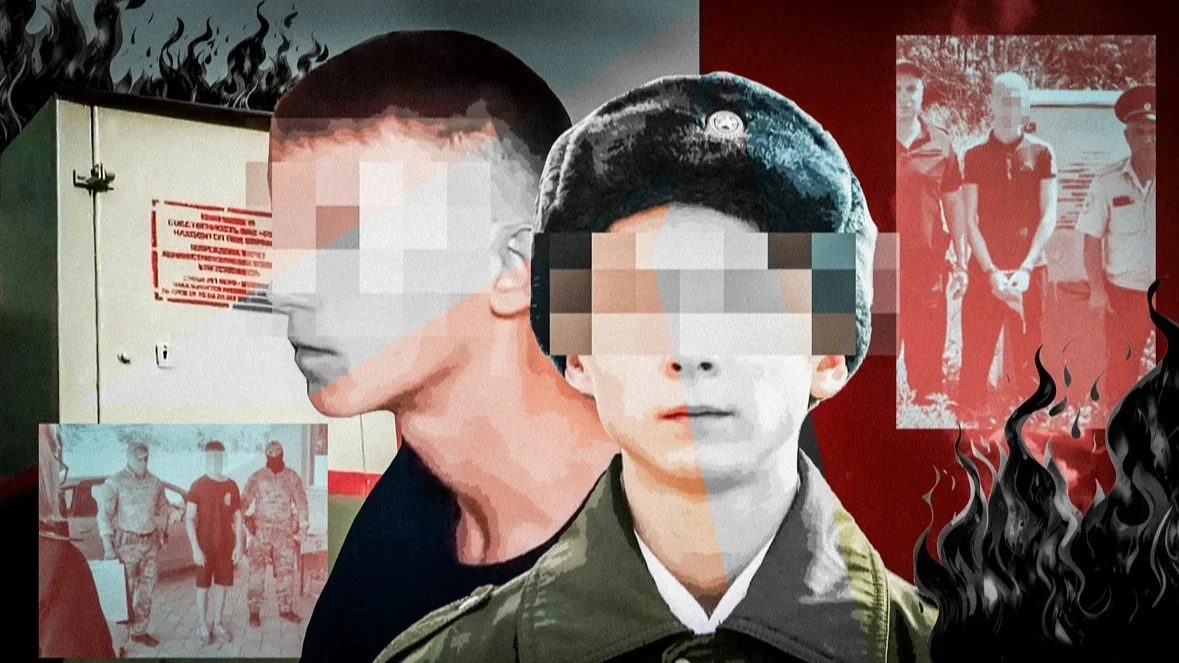
Youth activist Vyacheslav Kryukov was arrested on extremism charges in 2018 and sentenced to six years in prison two years later. Kryukov was released in October 2022 after spending a total of four years in detention.
Punishment cells usually hold two or four prisoners, but sometimes it can reach six or even eight. It’s okay if you’re with normal guys, but often you’re with real criminals. Being stuck with them can be traumatic.
We had two big problems: dealing with the cold and not being able to take naps during the day. We couldn’t sleep on the floor because it was crossed with cold strips of steel to keep prisoners from dismantling it. So we slept sitting on stools with our heads on the tables, sometimes resting on a book for comfort.
This is in addition to the psychological torture. You’re in such a confined space: living in a punishment cell is like living in a large toilet cubicle. You really cannot gloss over the psychological effects.”