Nearly 80% of attempts to access Telegram in Russia blocked on Monday
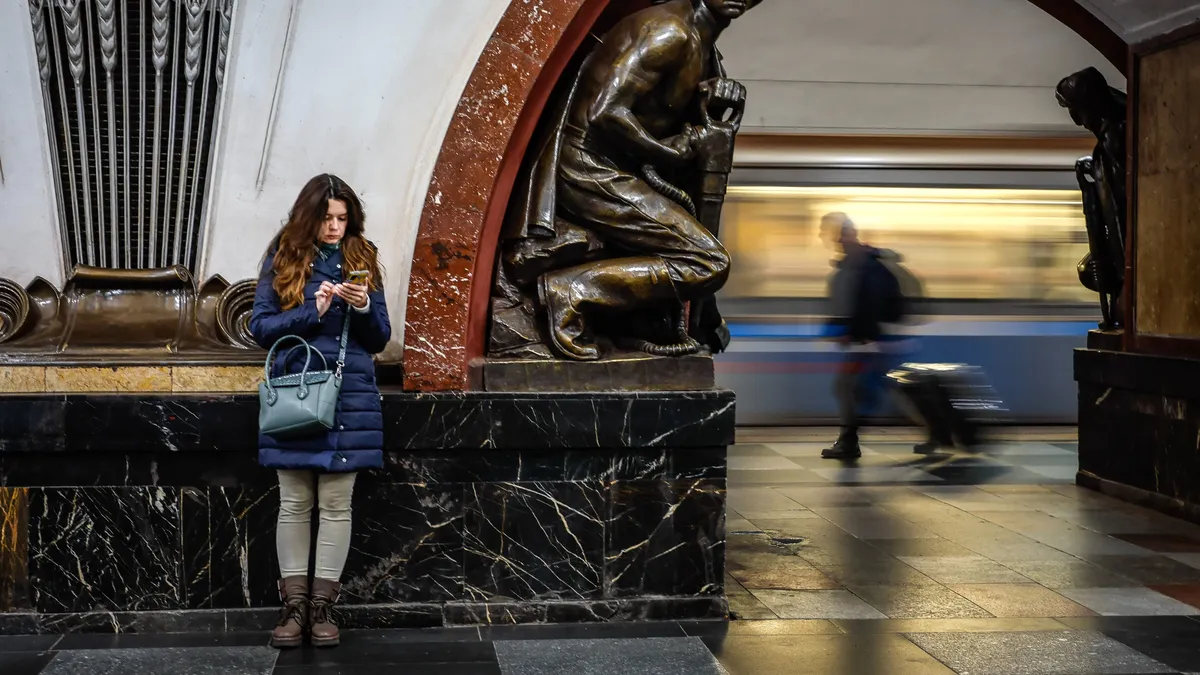
Nearly 80% of attempts to access popular messaging service Telegram from Russia were blocked on Monday, according to Russian business daily Kommersant, which reported a massive rise in complaints from Russian internet users to internet outage detector websites over the weekend.
Citing data from the network monitoring company Merilo, Kommersant said the rate of failed network access requests to Telegram-linked domains on Monday was 79.4% on average across Russia, up 47 percentage points from 9 March. In some regions of Russia, almost 90% of requests were blocked.
The largest individual rise in failed connections to Telegram was recorded in Russia’s Central Federal District, which includes Moscow, where the rate skyrocketed by 60 percentage points to 76.5%. The Russian capital has been suffering from severe disruptions to its mobile data and public Wi-Fi networks, supposedly as a countermeasure taken against “sophisticated” Ukraine drone strikes since 5 March.
Anastasia Bidzhelova, director of operations at Russian network exchange Telekom Birzha, told Kommersant that although blocking Telegram for 100% of users in Russia was difficult due to technical constraints, it would be “entirely possible to bring the situation to a point where [the platform] becomes unusable.”
“The outcome will be the same either way,” Bidzhelova continued. “Either the authorities manage to get the messaging platform to stop working entirely, or users will simply get tired of the endless problems and switch to a more stable alternative.”
The massive rise in connectivity issues indicates that Russia’s planned total block against Telegram, originally set for 1 April, has already begun. The Kremlin has previously instructed internet service providers to throttle traffic on Telegram, and has already blocked all voice and video calls on the platform, as part of its broader crackdown on uncensored and encrypted social media platforms.
For the past year, Russia has been attempting to drive Telegram users to MAX, a Russian-developed alternative that provides no anonymity or privacy protections for its users. However, reception of the home-grown app in Russia has been mixed, with some Russian military units in Ukraine reportedly banning its use entirely.
On Tuesday, independent Russian news outlet Faridaily reported that some civil servants in Moscow have opted to buy new phones and SIM cards to install MAX, rather than risking the app spying on their personal data.