‘How to reduce the power of a petrostate? Get off fossil fuels as quickly as we can’
One of the main lessons from the war in Ukraine is that the world needs to finally ‘go green’, climate justice expert Naomi Klein says
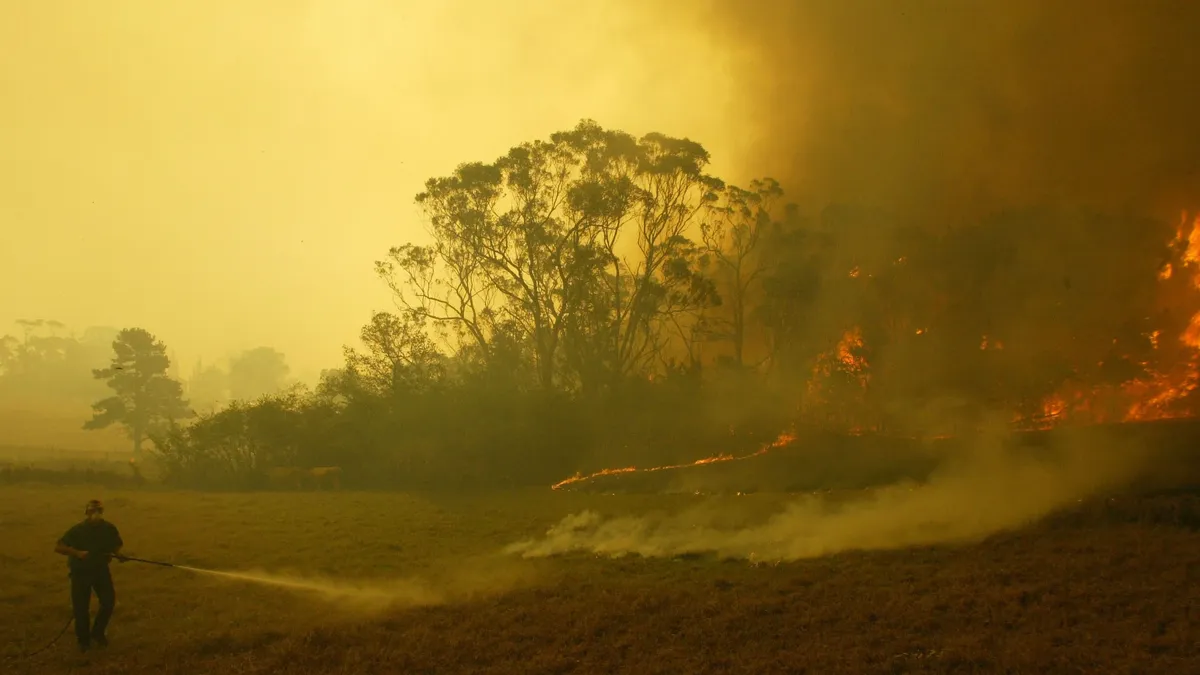
Oil, like other fossil resources, often causes violence and wars. In 2003, the US started a war in Iraq, according to some, seeking to gain control of the oil fields. Twenty years later, Russia launched a full-scale invasion of Ukraine, financing it with money from oil and gas exports.
Much has changed in the past year. European countries have virtually refused to buy oil and gas from Russia and have urgently started looking for alternatives. This is a good chance not only to stop financing aggressive petrostates, but also to limit the irreparable damage to the environment caused by burning fossil fuels.
But will the world face a full-fledged energy transition — or will we simply replace some hydrocarbons with others? And is it a good time to think about a “green economy” while a war is going on? That’s what we discussed with Naomi Klein, Professor of Climate Justice at the University of British Columbia and author of ‘This Changes Everything’ and ‘The Shock Doctrine’.
But I do think that Washington’s policies and its duplicity in this period helped put Russia on the front of a very, very dangerous and damaging path.
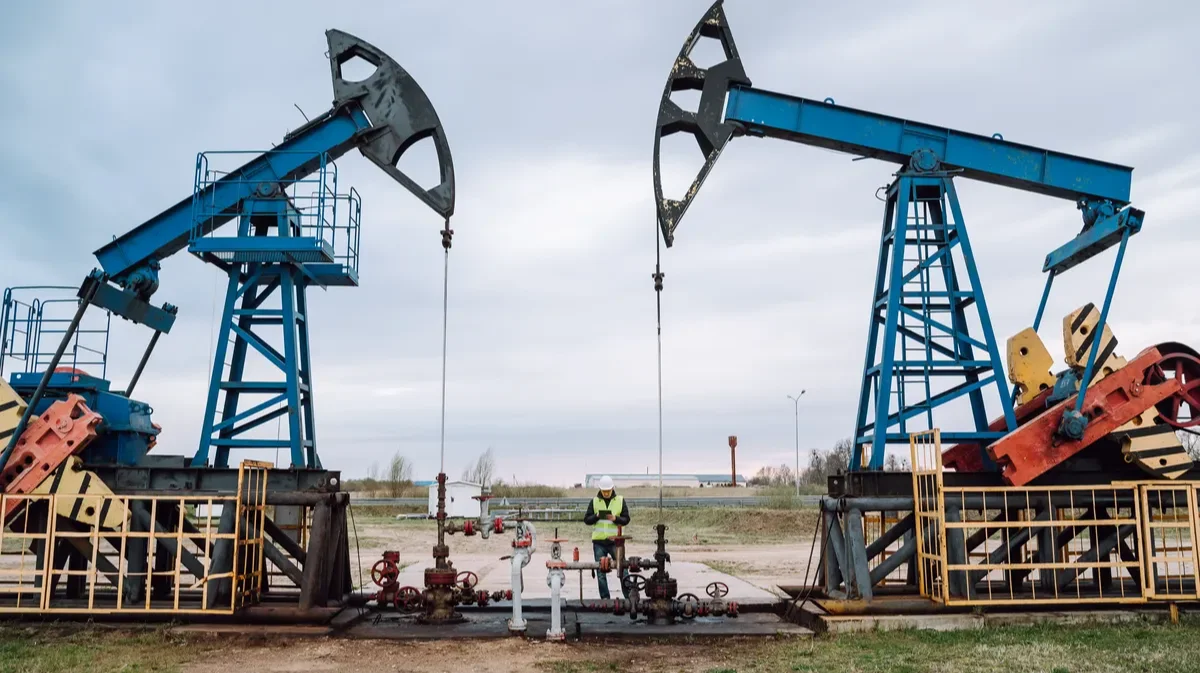
You’ve said multiple times that extracting fossil fuels is immoral because it’s harmful to the environment. Does it matter whether we’re purchasing oil from Putin, Maduro or someone else?
All of our economies are underwritten with substances that are destabilising life on Earth. Whether we’re petrostates or we’re petroclients, I don’t think that that’s a particularly meaningful distinction. There’s no doubt that fossil fuels spark economic interests, be that state interests or private interests, and often the two are so intertwined that it’s pretty difficult to pry them apart. These forces are driving policies that have been very effective barriers to good intentions, to various attempts to get off fossil fuels. They doggedly stood in the way.
There’s a particular responsibility that rests with those forces, and we learn more and more about it every day, for instance in terms of obstruction that a company like Exxon has engaged in. The research that they themselves did dating back to the 1970s and then the misinformation that they spread and the interference in policy debates. I don’t think that we’re all equally guilty just because some of us buy oil and some of us dig it up. But I do think that it’s profoundly immoral and all the parties involved are responsible.
We saw that after the financial crisis in 2008, and now we’re seeing it around inflation and the war in Ukraine. Once again we’re being told that climate action is a luxury good.
That’s a failure of policy. It is absolutely possible to design climate policies that put the burden of the costs on the polluters who not only caused the crisis, but actively obstructed every attempt [to overcome it] for many decades. We have COP-27 (UN Climate Change Conference — editor’s note) which means governments have been meeting for 27 years, (actually 28 because they missed one) to talk about lowering fossil fuels use but we’re still going in the opposite direction. And the next COP is going to be led by a former fossil fuel executive.
So if anything, fossil fuel companies are getting more power in these negotiations, not less. As a result what we have is governments’ unwillingness to go after the large players and get them to pay for the green transition. Instead we have policies that ask working people, unemployed people, to accept higher petrol and heating costs. Of course, there’s going to be a backlash, right?
So if we think about the situation we’re in right now with Ukraine, but also the fact that other repressive regimes are profiting off of Russia’s aggression, what is the best way to reduce the power of a petrostate, whether it is Russia or Saudi Arabia? It is for the rest of us to get off fossil fuels as quickly as we can. And the only way that’s going to happen is if we design policies that are actually fair for working people. That is going to require for the forces that got us into this mess, which are oil companies and petrostates, to actually foot the bill for this transition.
In order not to rely on Russia for fossil fuels, many Western countries might either invest into greener renewable sources of energy or look to purchase fossil fuels elsewhere. They are also increasing their military spending which requires a lot of resources. Do these factors make the green transition more or less likely?
We’re in a very bizarre moment where we’re seeing evidence for both scenarios. Certainly European countries are spending more on their military than they have in many years. But we’re also seeing an acceleration of some green investments, of transition to renewables.
Germany is an interesting case for that. It is both accelerating its renewable transition, increasing coal extraction and building new LNG (liquefied natural gas — editor’s note) terminals, which is locking them in to continue their LNG reliance, and they’re spending more on military.
But climate disruption is intimately connected to wealth and overconsumption. It is overwhelmingly the wealthiest 10% that is responsible for this crisis.
Nowadays it’s almost unthinkable to expect the ‘Davos class’ to have to follow the same rules as everyone else. So long as that’s true, of course, people should not accept the idea that they have to solve the climate crisis themselves.
Climate justice is not a luxury. If we don’t do this in a fair way, it won’t be done at all.