UN: about 700,000 people in Ukraine have no access to drinking water following Kakhovka dam collapse
Approximately 700,000 people in Ukraine have lost their access to drinking water after the Kakhovka dam on the Dnipro River collapsed, UN Undersecretary-General for Humanitarian Affairs Martin Griffiths said in an interview with Associated Press.
This number refers to people living in Ukraine’s internationally recognised borders, controlled by Kyiv and occupied by Russia.
Griffiths also said that the UN had provided help to 30,000 people in Ukraine-controlled areas affected by the flooding. In turn, Russia denied access to the flooded territories for the organisation to help those in need.
According to the UN official, the flooding in the lower Dnipro region will inevitably reduce grain exports, push global food prices up, and reduce what’s available to eat for millions of people in need.
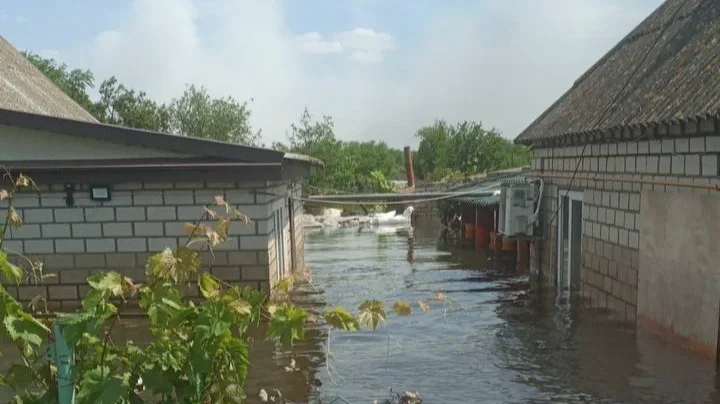
The British intelligence also noted in its latest report that a potential shortage of clean water could emerge as a result of the recent Kakhovka hydroelectric power plant collapse.
According to them, the water level in the Kakhovka reservoir dropped below the water intake level on 9 June, which may interrupt water supplies to Russia-annexed Crimea.
According to the experts, the Russian authorities will probably be able to meet the population’s urgent water needs by means of reservoirs, water rationing, drilling new wells, and delivering bottled water from Russia.