No, Russia isn't winning
Stalemate in the war is bad news for the Kremlin both militarily and economically as it heads into an election
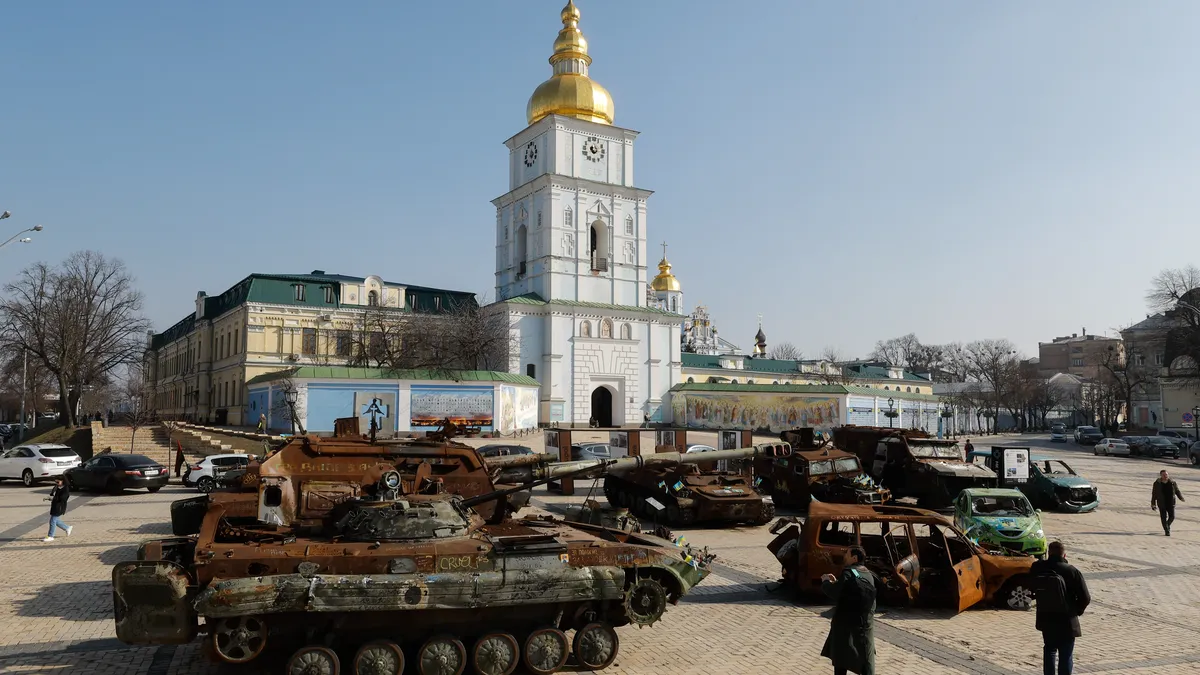
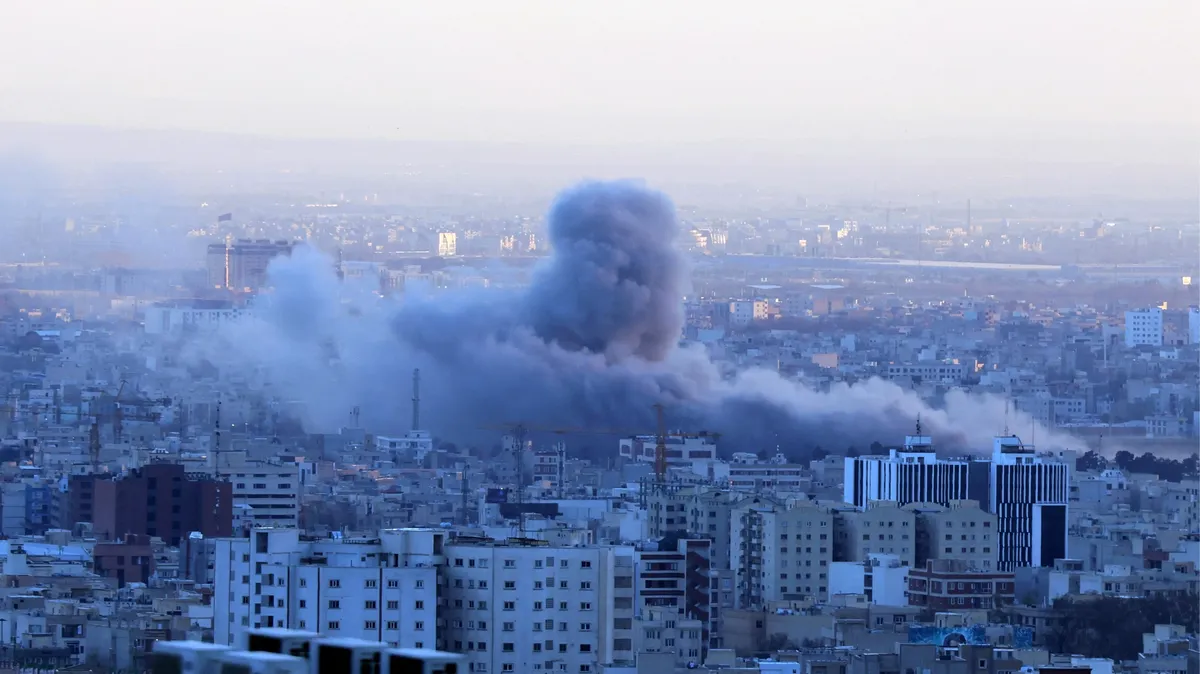
Two years after Russia launched its full-scale war of aggression, Ukraine is still holding the line militarily, and even beginning to recover economically. As much as Russian President Vladimir Putin wants the world to think he has shielded the Russian economy from blowback, recent financial and economic developments suggest otherwise.
As Russia continues to attack Ukraine’s manufacturing and infrastructure, Ukraine continues to demonstrate its resilience in the face of a massive military and economic toll. By the end of 2022, Ukraine’s GDP had shrunk by about 30%, and inflation had skyrocketed from 10% to 26.6%. More than 10 million Ukrainians had been displaced, and the unemployment rate was as high as 24.5%. The National Bank of Ukraine had devalued its currency from 29 to 36.57 hryvnia to the US dollar.
But since this dark opening chapter, the Ukrainian economy has shown signs of resilience and recovery. In December 2023, the International Monetary Fund (IMF) found that despite myriad challenges, Ukraine’s macroeconomic indicators were “stronger than expected.” The IMF revised up its 2023 GDP growth projection for Ukraine from 2% to 4.5%, and it expects inflation to fall to 5.5%. With inflation slowing, the National Bank of Ukraine has replaced its fixed exchange rate with a “managed flexible” one. Interest rates have fallen to around 15%, down from 25% at the beginning of 2023.
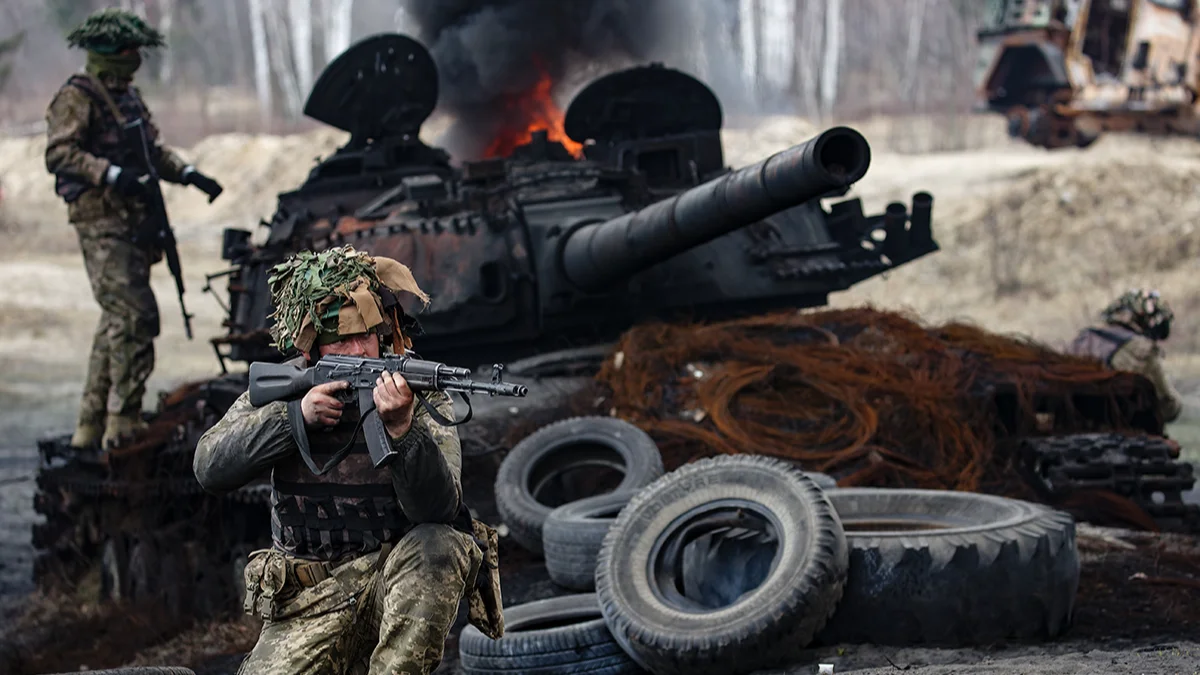
Meanwhile, Russia’s economy has been showing signs of strain. A report from the US Treasury Department finds that Russia’s economy is 5% smaller than it would have been if Putin had not invaded Ukraine. The same report notes that sanctions have indeed limited the growth of Russia’s economy, leading to high interest rates (16% in December 2023) and a weakening ruble. Russian exporters across 43 industries are now required to exchange 90% of received foreign currency into rubles. Such drastic tactics — applied in a hurry — suggest that a cloud of uncertainty will continue to hover over Russia’s financial system, threatening further destabilisation to the exchange rate.
The proximate causes of Ukraine and Russia’s respective economic challenges are vastly different, even though they all ultimately stem from Putin’s personal decision to launch a war.