‘Russian elections have become increasingly violent’
Amid widespread voter intimidation, Russian electoral rights NGO Golos has pronounced the weekend’s presidential election a sham

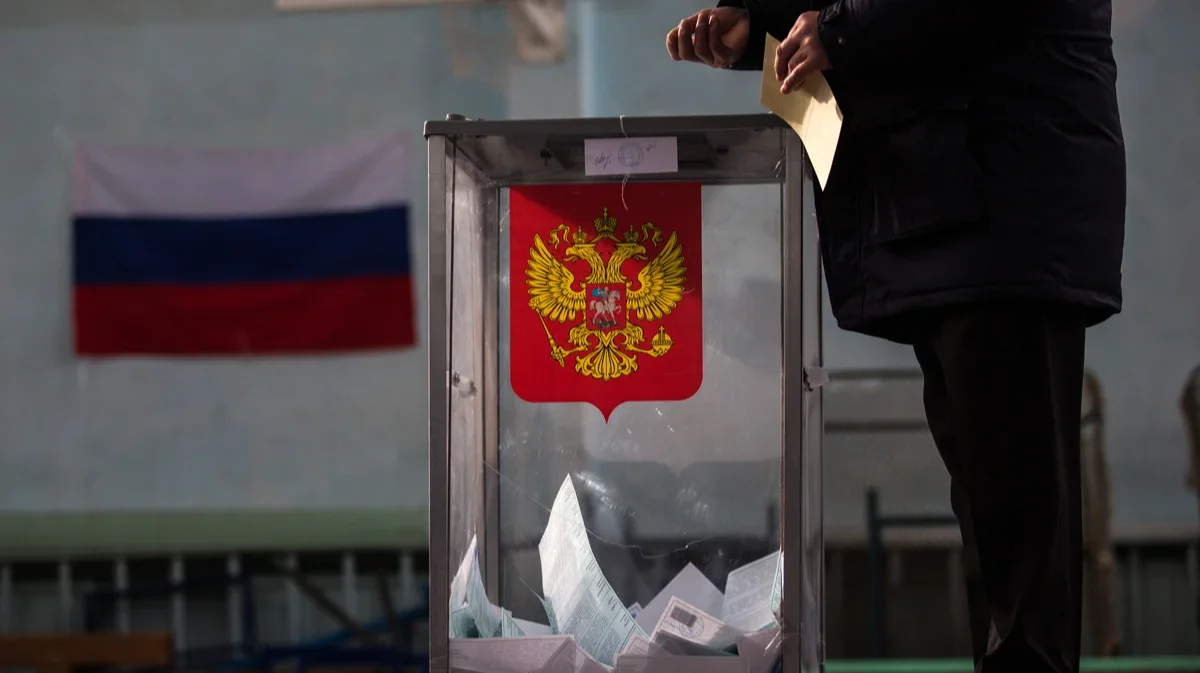
Voter rights NGO Golos published its report on this weekend’s Russian presidential election on Monday, documenting the ballot’s lack of independent observers and a prevailing atmosphere of fear and coercion. The NGO also said that the ever greater powers granted to the police had led to an unprecedented surge in violent incidents. The report’s authors ultimately branded the Russian elections a sham.
The report also found that restrictions on freedom of expression had become more severe, most notably since the invasion of Ukraine, when criticism of the war became impossible.
“Everything was done to keep voters under control. The authorities didn’t just get people from state or state-dependent companies out to vote. They did it at private companies too,” the NGO said.
“The system is good at covering up crimes by its own people, but it severely punishes ordinary voters carrying out acts due to a sense of desperation,” Golos said.
“There was no way for society to exercise any real independent control over these elections,” said the report.
“Nothing like this has ever happened on this scale in a Russian election before,” the report said.
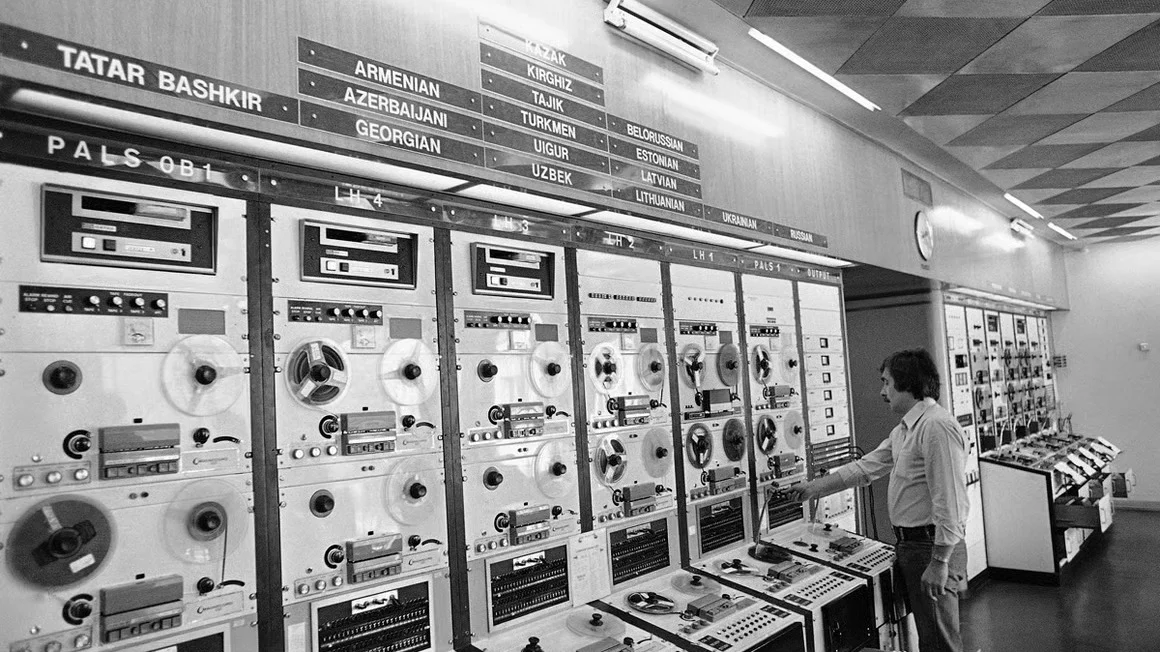
Breaking the waves
The Kremlin’s latest attempt to quash Telegram echoes the Soviet Union’s war on foreign radio broadcasts
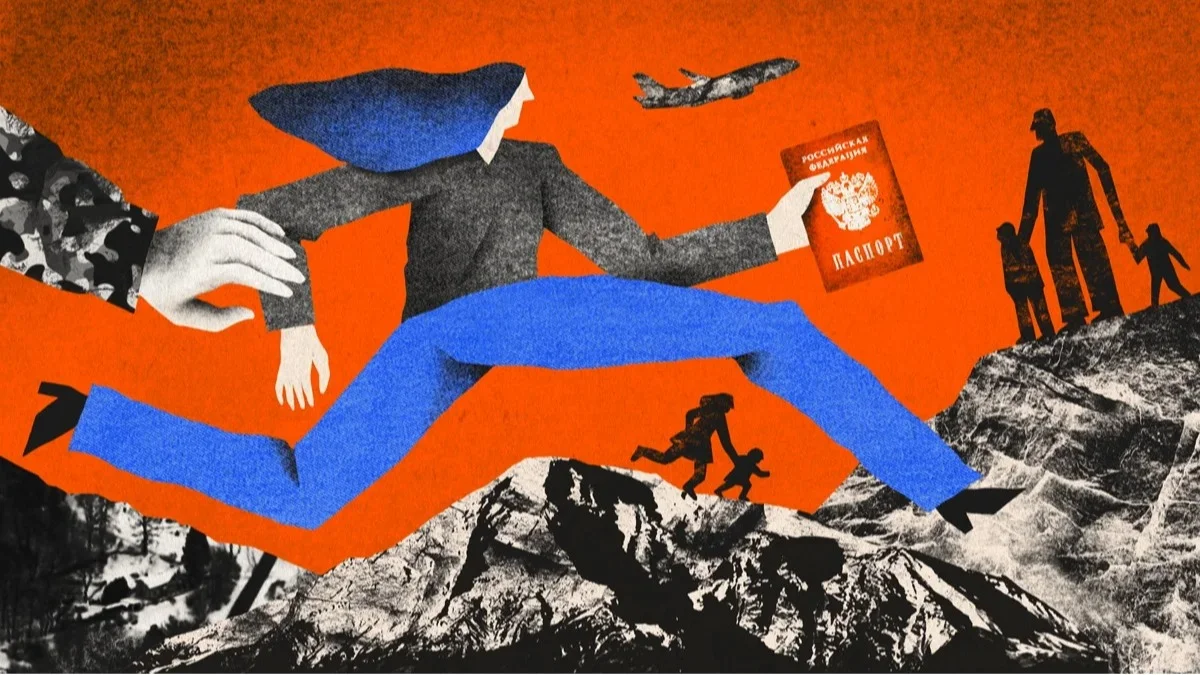
Deserting the paper army
How one woman refused to be a cog in Russia’s military machine
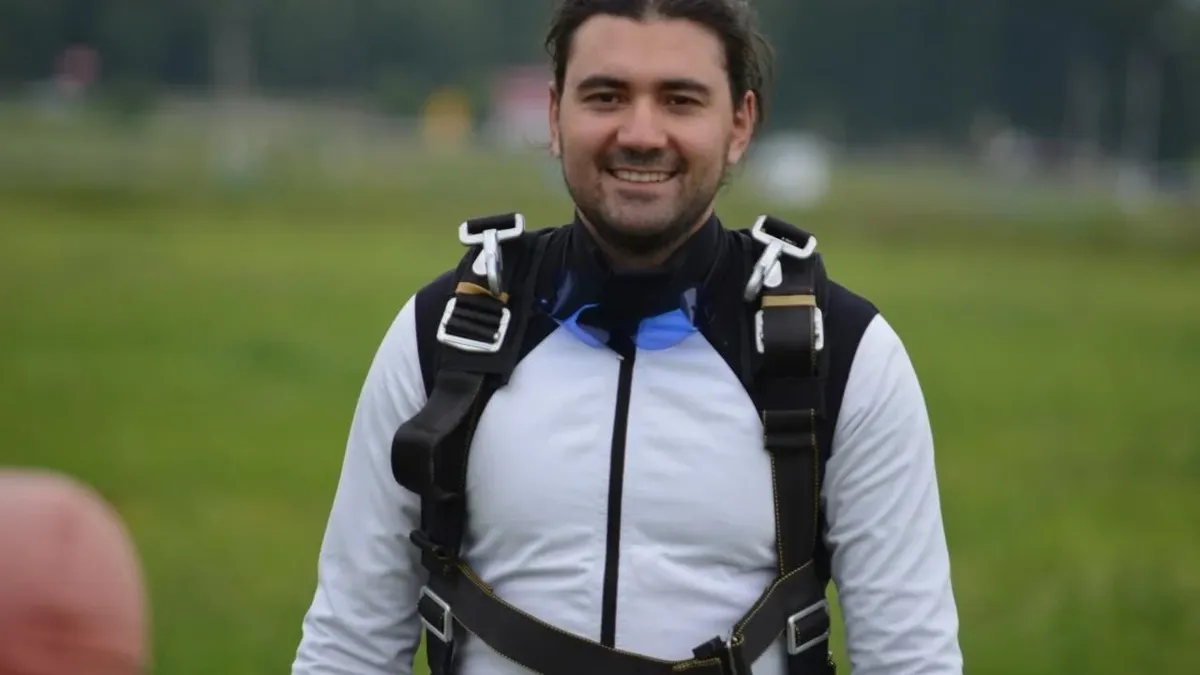
Russian journalist jailed over €3 donation to Navalny’s Anti-Corruption Foundation
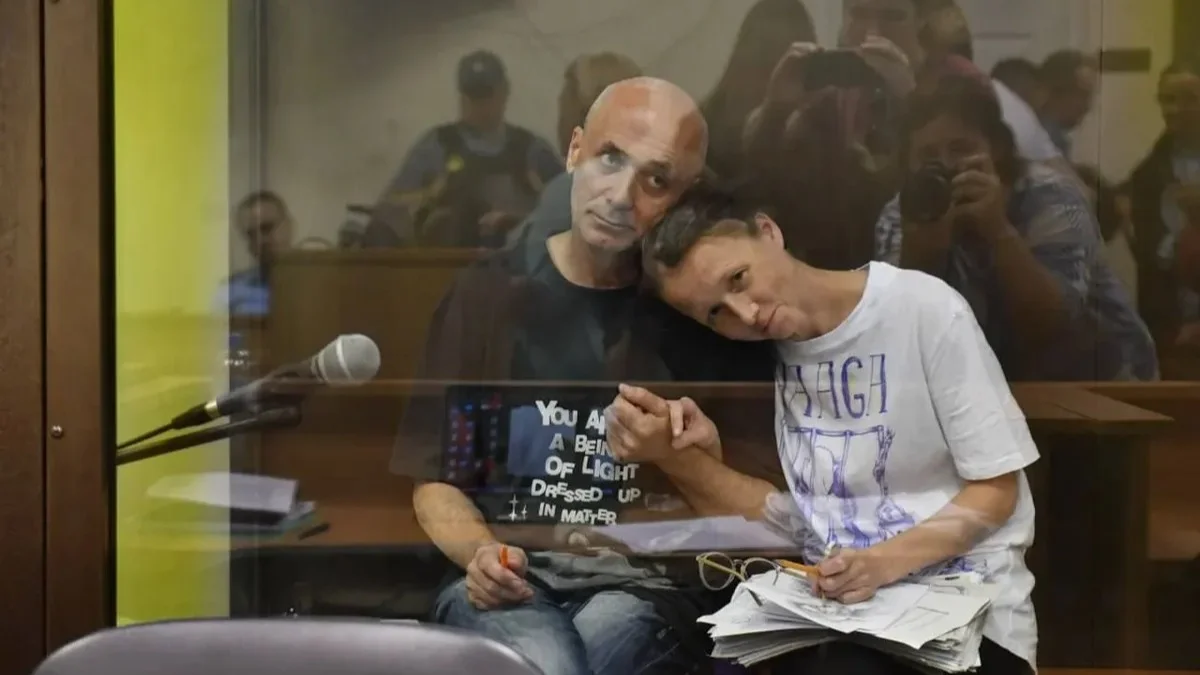
Russian political prisoner dies after suffering heart attack in custody
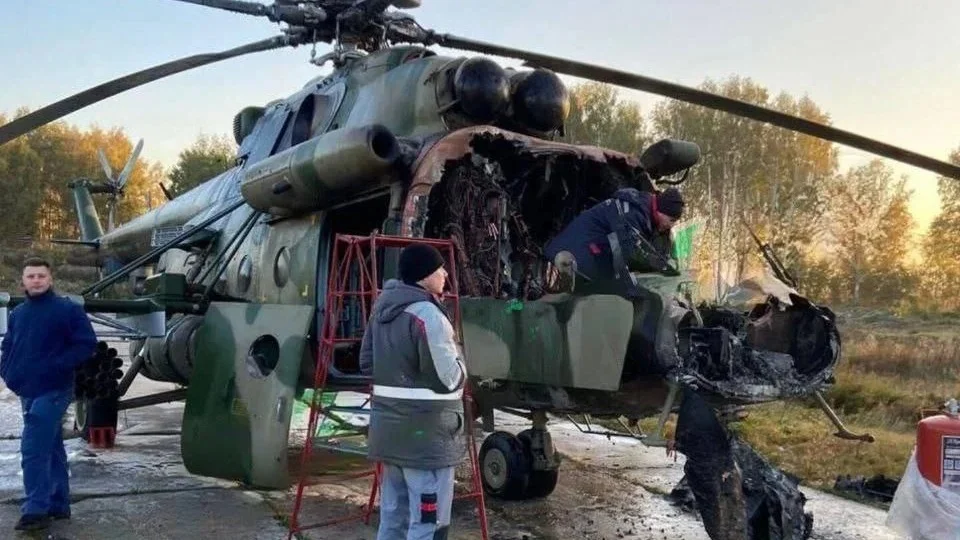
Two Russian minors given 7-year sentences and massive fines for setting fire to military helicopter

Russia’s State Duma passes law allowing FSB to block individual communications
Russian man who declared himself a ‘foreign agent’ as a joke now faces criminal charges
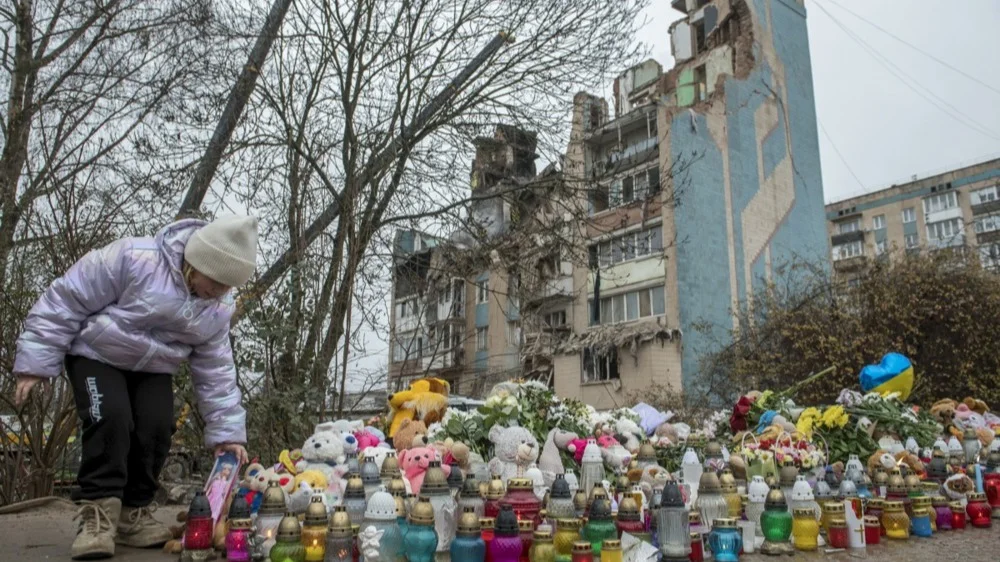
Analysts say 2025 was deadliest year of war for both Ukrainian and Russian civilians
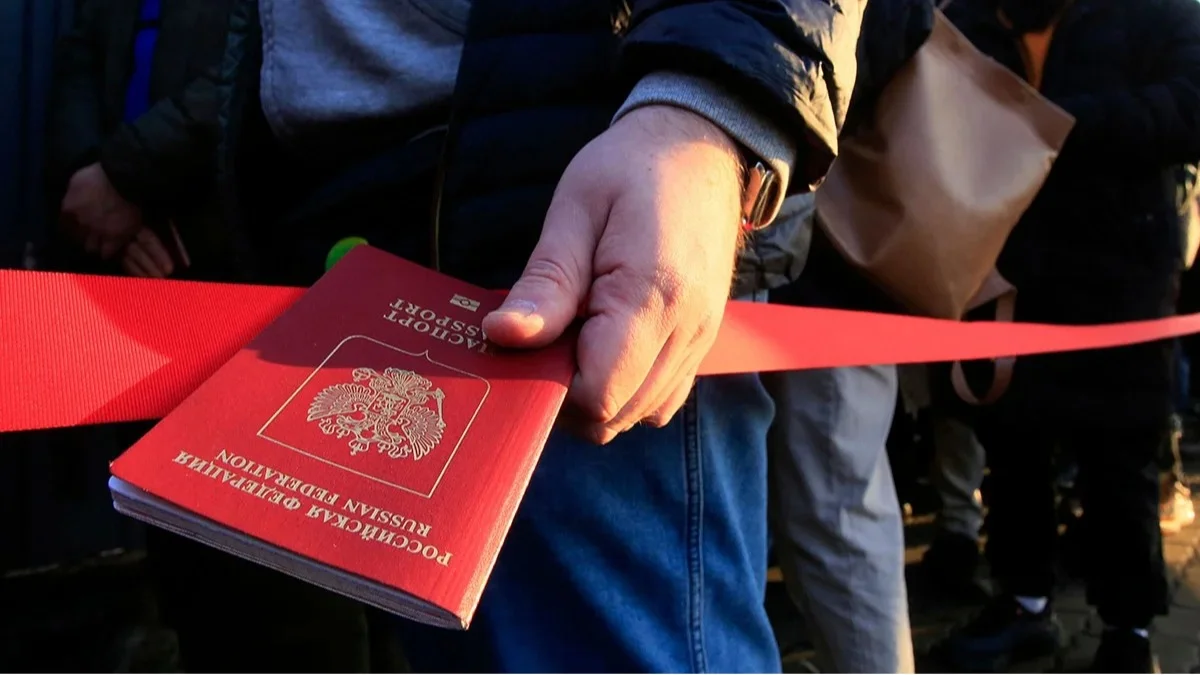
Suspect citizens
Much as in Soviet times, the Kremlin still views those with second passports as disloyal