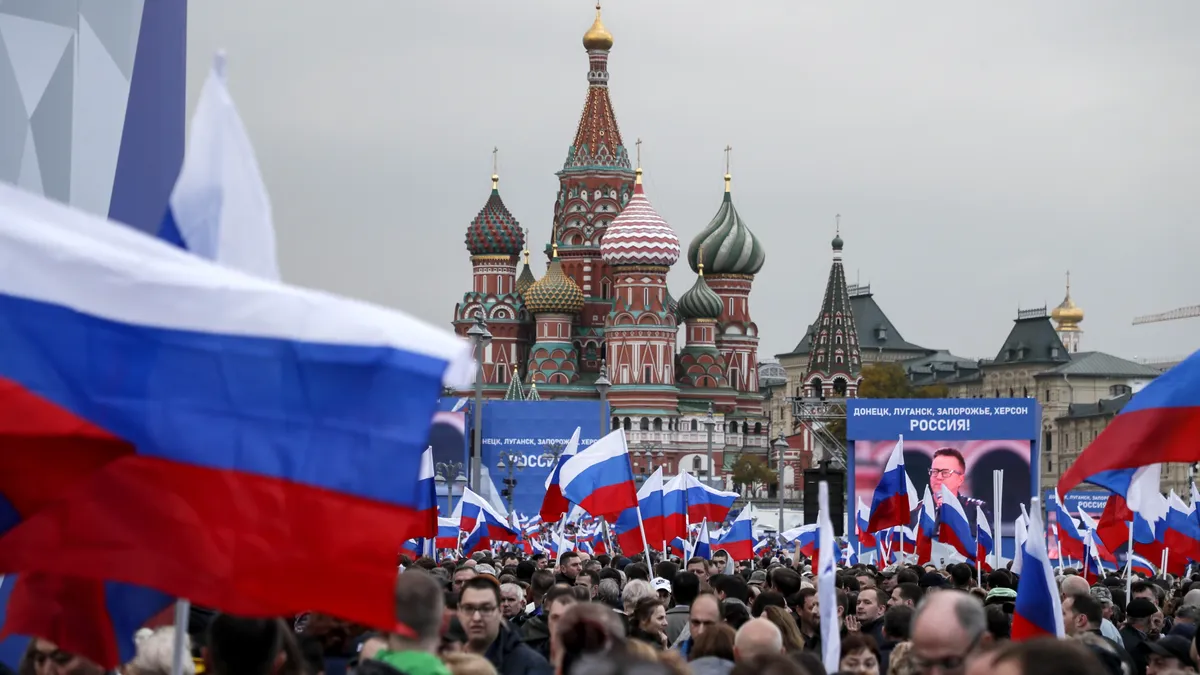
“Russia’s border doesn’t end anywhere,” Vladimir Putin famously said in 2016. Questioning that may soon become grounds for prosecution, as Russia looks to ban the non-existent “anti-Russian separatist movement”.

In a motion to the Russian Supreme Court announced on Friday, the Russian Justice Ministry requested the movement be designated an “extremist organisation”, adding that its goal was to “destroy Russia’s multinational unity and territorial integrity”.

It is too early to say unequivocally whom the ban will target if approved, lawyer Valeria Vetoshkina told Novaya Gazeta Europe. However, Vetoshkina has “no doubt” that the lawsuit will be upheld, and the scale of persecution is expected to be “very broad”.

So far experts can only make assumptions based on the organisation’s name, Vetoshkina added, persecuting those who they think hold “anti-Russian” and “separatist” views.

Lawyer Anastasia Burakova suggested that this ban could target anyone who disagreed that the occupied territories of Ukraine, including Crimea and the Donetsk and Luhansk regions, “belong to Russia”.

“Recognising these territories as Ukrainian may count as ‘separatism’,” Burakova said, adding that the authorities could even start prosecuting people for the words “occupied” and “annexed”.

National movements in Russia’s republics could also be at risk, Burakova noted. Russia is home to more than 190 peoples, some of which are very small in terms of population.

While national communities are often not registered as official organisations, they disseminate information about their culture, history and language, Burakova said, and there is a risk that the authorities could now be free to designate any information they don’t like as “extremist”.

What will count as “extremism” will be clearer after the Supreme Court ruling on the matter, which is expected on 7 June, Vetoshkina said. But as with other similar cases, the ruling will only “roughly establish” the red lines, she stressed.

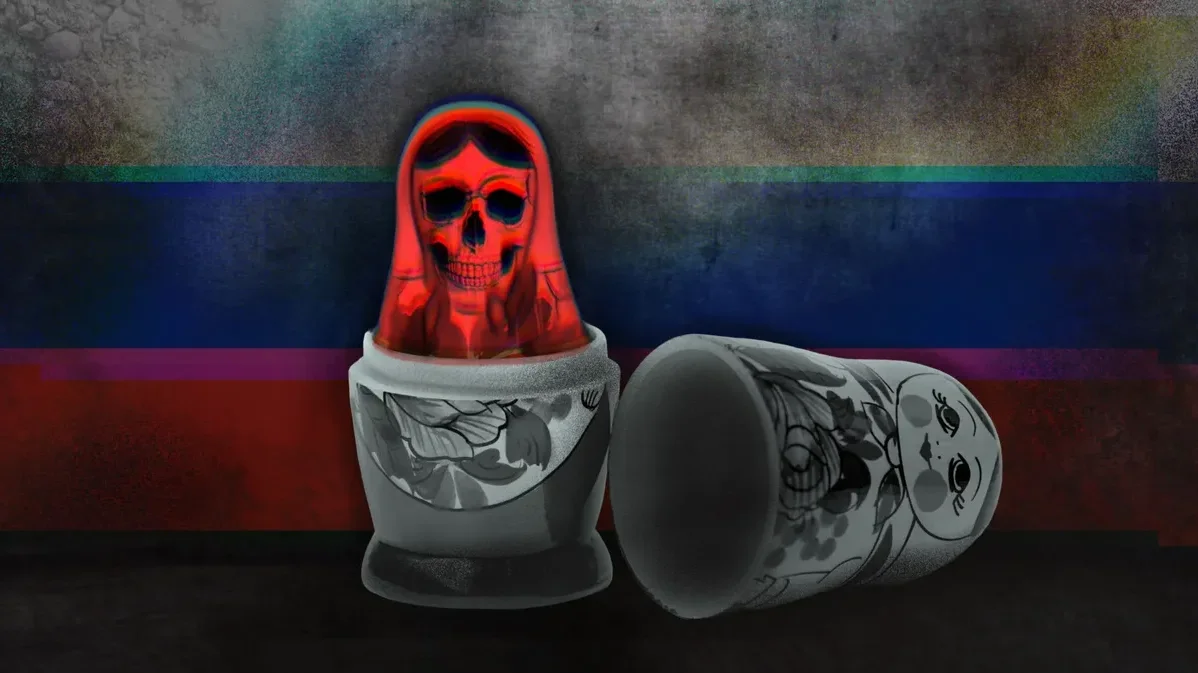
The “anti-Russian separatism” case is yet another example of Russia looking to outlaw a vaguely defined organisation that does not formally exist, as happened with the “international LGBT movement” being designated extremist in November.
The ban on the non-existent “international LGBT movement” has already led to several criminal cases in Russia, despite the Supreme Court ruling conceding that the “LGBT movement” had “no official registration or unified structure”.

Russia has scaled up its persecution of the queer community since the ruling. In March alone, the managers of a Russian gay club were arrested for their alleged involvement in an “extremist organisation”, another gay club was forced to close after a police raid, and a man was charged with using “extremist symbols” for sending a rainbow flag emoji in a private chat.
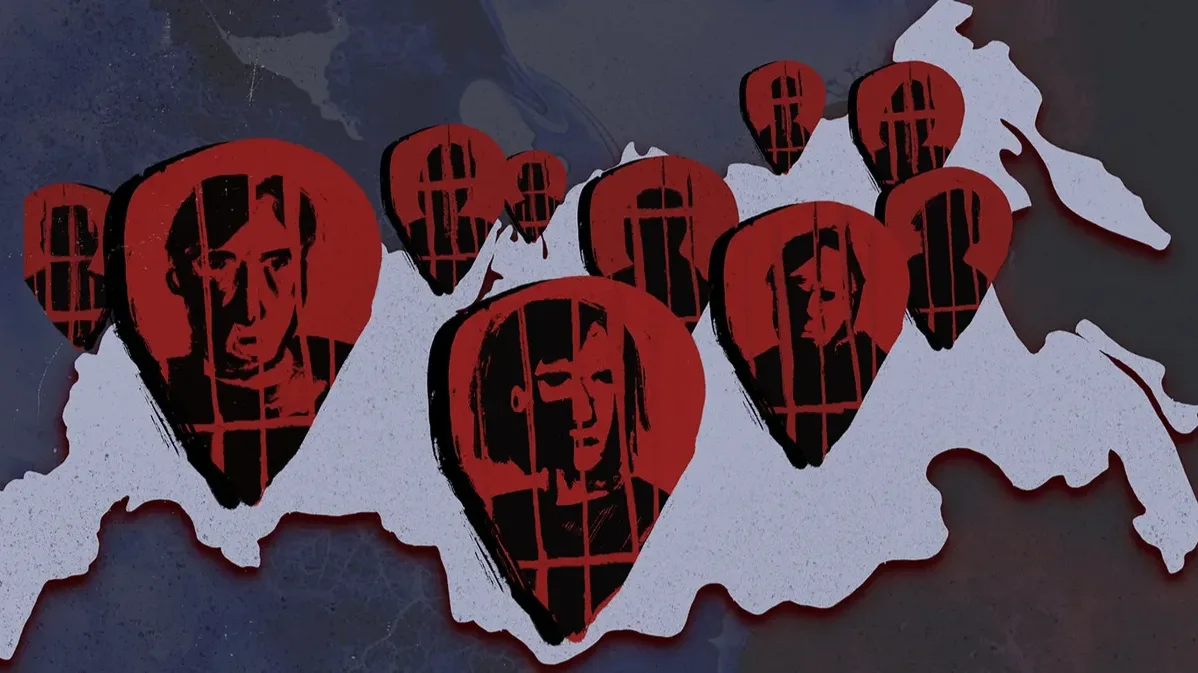
Those accused of “participating in an extremist organisation” can face up to six years in prison, while suspected “managers” of such organisations can be sentenced to 10 years.

While not much is known about the scale of persecution against supporters of the extremist “LGBT movement” and the soon-to-be extremist “anti-Russian separatist movement”, one thing remains clear: the Russian authorities are benefiting from these blanket bans to target whomever they see fit, Burakova concluded.

Share
More on the topic
Article image
No duty of care
Political prisoners in Russia’s harsh penal system are having their healthcare needs routinely ignored
Больше сюжетов
Telegram под угрозой полной блокировки

Telegram под угрозой полной блокировки

Как оставаться на связи? «Новая-Европа» собрала списки проверенных VPN и альтернативных мессенджеров

«Пропаганда в России не пытается убеждать. Она хочет тебя сломать»

«Пропаганда в России не пытается убеждать. Она хочет тебя сломать»

Режиссер фильма «Господин Никто против Путина» Дэвид Боренштейн — о съемках в школе в Карабаше, об этике работы и о том, чем Россия отличается от Китая

В Риге на лекции задержали корееведа Андрея Ланькова

В Риге на лекции задержали корееведа Андрея Ланькова

Его объявили персоной нон-грата и вывезли из Латвии в Эстонию

Акции в поддержку Украины прошли по всему миру

Акции в поддержку Украины прошли по всему миру

«Новая-Европа» публикует фотогалерею

Трансгендерную девушку из Челябинска приговорили к четырем годам в мужской колонии

Трансгендерную девушку из Челябинска приговорили к четырем годам в мужской колонии

«Старшие больше боятся. А молодым нечего терять»

«Старшие больше боятся. А молодым нечего терять»

Война глазами 55-летнего добровольца и 19-летнего контрактника из одной бригады ВСУ. Материал издания hromadske

Мужчина совершил самоподрыв у машины ДПС на Савеловском вокзале в Москве

Мужчина совершил самоподрыв у машины ДПС на Савеловском вокзале в Москве

Война и свидетели

Война и свидетели

20 фильмов и книг о вторжении в Украину, которые помогут понять катастрофу, случившуюся после 24 февраля

ЛГБТ-организации начали признавать «экстремистами»

ЛГБТ-организации начали признавать «экстремистами»

Как Россия двадцать лет строила машину государственной гомофобии и почему это касается всех