Lost in space
How did Roscosmos go from a world leader in space exploration to being overtaken by its Chinese and Indian counterparts?
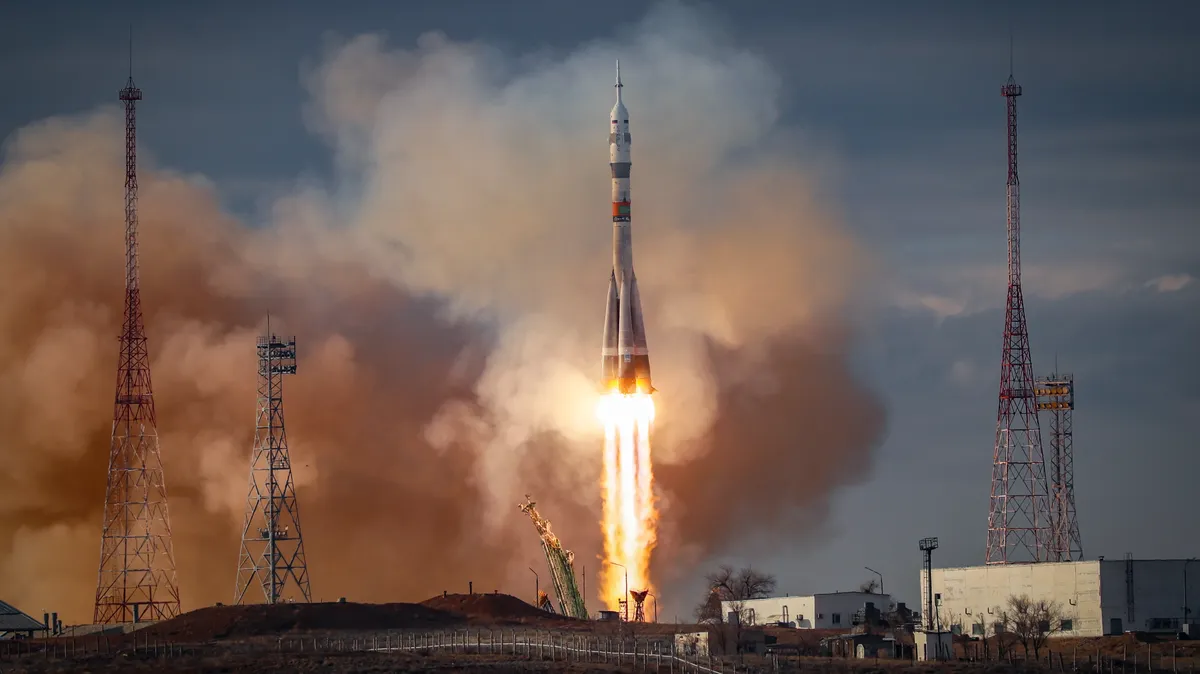
At 9:07am on 12 April 1961, Yuri Gagarin’s rocket sped towards the sky in the first-ever manned mission to space, cementing the Soviet space programme’s place in history. Six decades later, with the Soviet Union a distant memory, a plan to modernise Gagarin’s Start, the launch site of the mission at the Baikonur Cosmodrome in Kazakhstan, was abandoned. How did one of the world’s leading space programmes find itself isolated, defunded and bereft of foreign investors?
Like any other Russian agency immediately after the collapse of the Soviet Union, Roscosmos suffered from the economic turmoil of the 1990s. As the majority of the agency’s rockets were made from components manufactured in Ukraine and Belarus, while its primary launch facility was located in Kazakhstan, the agency found its assets divided up among the former Soviet republics.
At the same time, the decision-making process within the programme devolved into a struggle for funding between the various design bureaus and subcommittees. Major strategic decisions, such as extending the lifetime of the Mir space station and creating a new family of launch vehicles, were bungled in an era now famous for its graft and embezzlement.
As it scrambled for alternative sources of funding to ensure its survival, Roscosmos was forced to resort to commercial stunts that included installing a giant inflatable Pepsi Can onto the International Space Station (ISS) in 1996 and hitting a golf ball into orbit from the ISS in 2006.
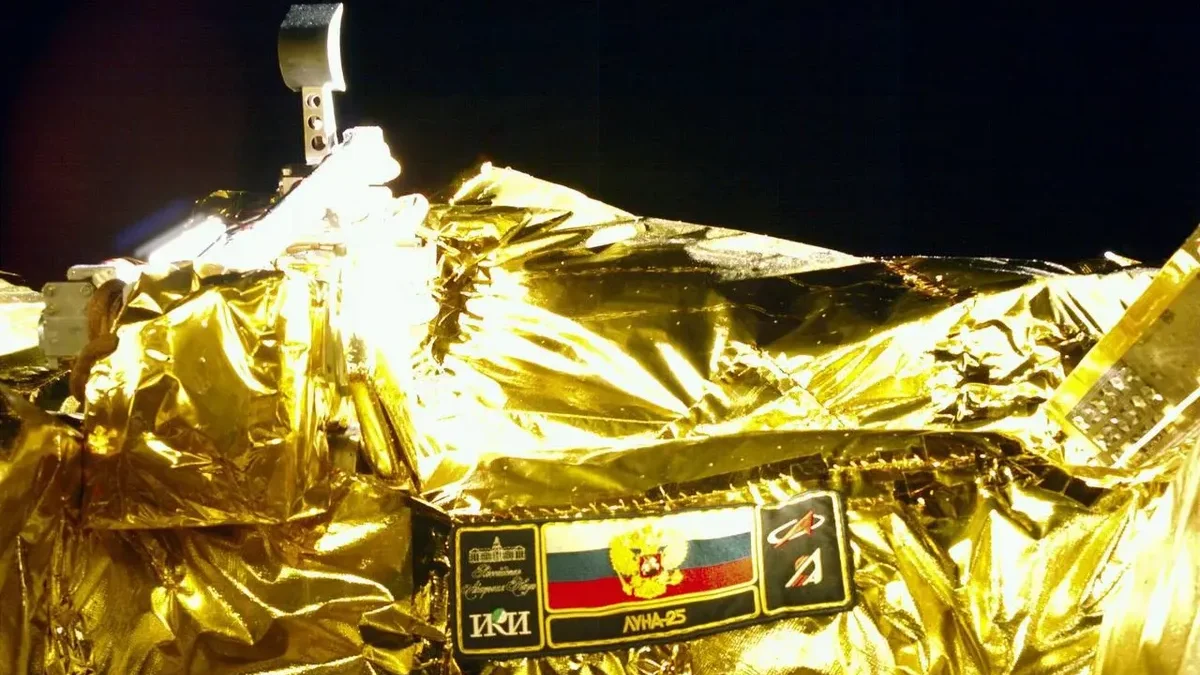
Despite these changes, however, an entity with such a storied history could have compromised and worked with its post-Soviet partners to realise its full potential, especially as the Russian economic boom of the early 2000s refilled the state’s coffers.
As the successor to the renowned Soviet space programme, Roscosmos had a massive advantage over its rivals in terms of experience, assets and prestige. By effectively exerting its influence and reputation, the agency could have forged partnerships with former Soviet republics which individually had very little scope to successfully pursue space exploration. It could also have tried to negotiate deals with emerging economies in Asia and Africa, which would have created a supply chain more resilient to sanctions.
Instead, Roscosmos began isolating itself from these potential partners. The agency’s approach to the Baikonur cosmodrome is a case in point; rather than seeking closer cooperation with Kazakhstan over the site, Roscosmos poured its limited funding into building its own brand new cosmodrome in the Russian Far East. These isolationist choices paved the way for the continued decline of Roscosmos in the decades that followed as the space programmes of China, India and Japan saw rapid development.
Today, Russia’s future in space hangs by a thread, with any advantage it once enjoyed fading as the Soviet legacy drifts further into the past and the country slips into decline, isolation, and authoritarianism.