Russian Orthodox turmoil
Allegations of sexual harassment against a once high-flying bishop have rocked Russia’s religious establishment to the core
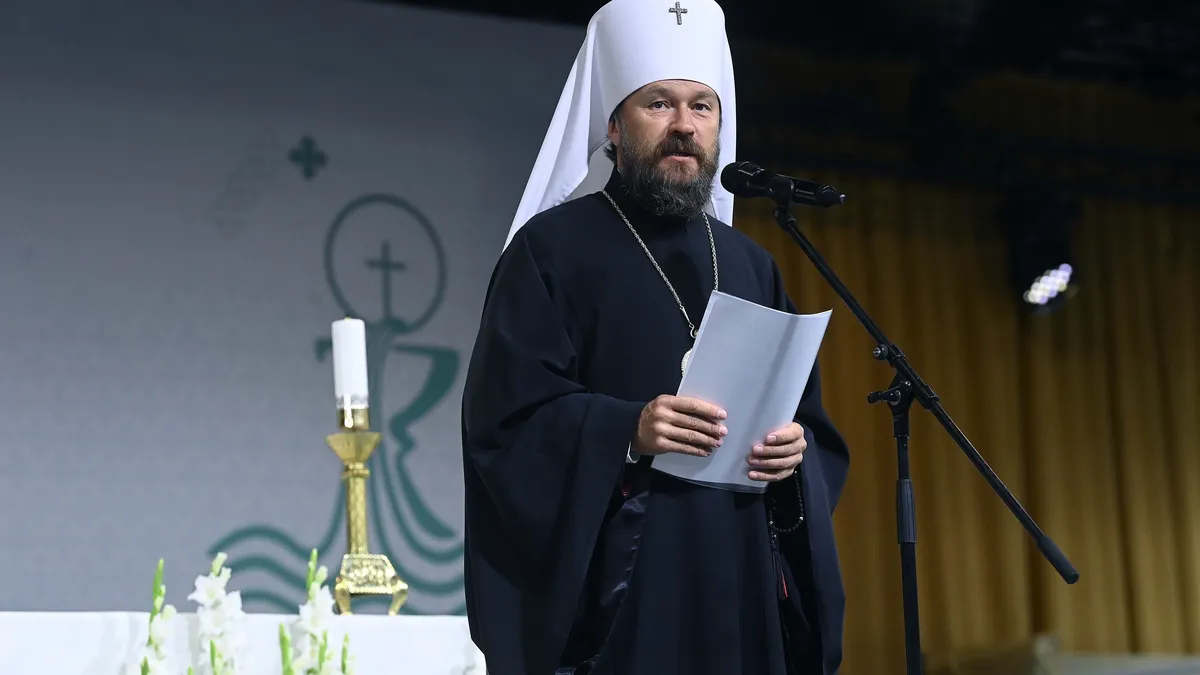
The Holy Synod of the Russian Orthodox Church announced the temporary suspension of the metropolitan of Budapest and Hungary from his diocese on Thursday, pending the findings of a commission appointed to study “the situation there”. While the wording of the church statement was deliberately ambiguous, the matter being investigated is almost certainly a series of recent sexual harassment claims against Metropolitan Hilarion.
Hilarion has maintained that “sexual orientation is not innate, but develops in early childhood and adolescence” and has advocated the introduction of similar bans on “gay propaganda” in other countries.
When he expressed his discomfort with the metropolitan’s behaviour, Suzuki says that Hilarion began to threaten him.
Priests, archpriests and deacons who make up the clergy of the Hungarian diocese signed an open letter in support of Alfeyev, praising what they called his “purity of life and high moral character”
“There is a lot of don’t-ask-don’t-tell in the Russian church, meaning that everyone who is in the milieu is always trading stories about the sexual proclivities of the hierarchs,” Leonova told Novaya Europe.
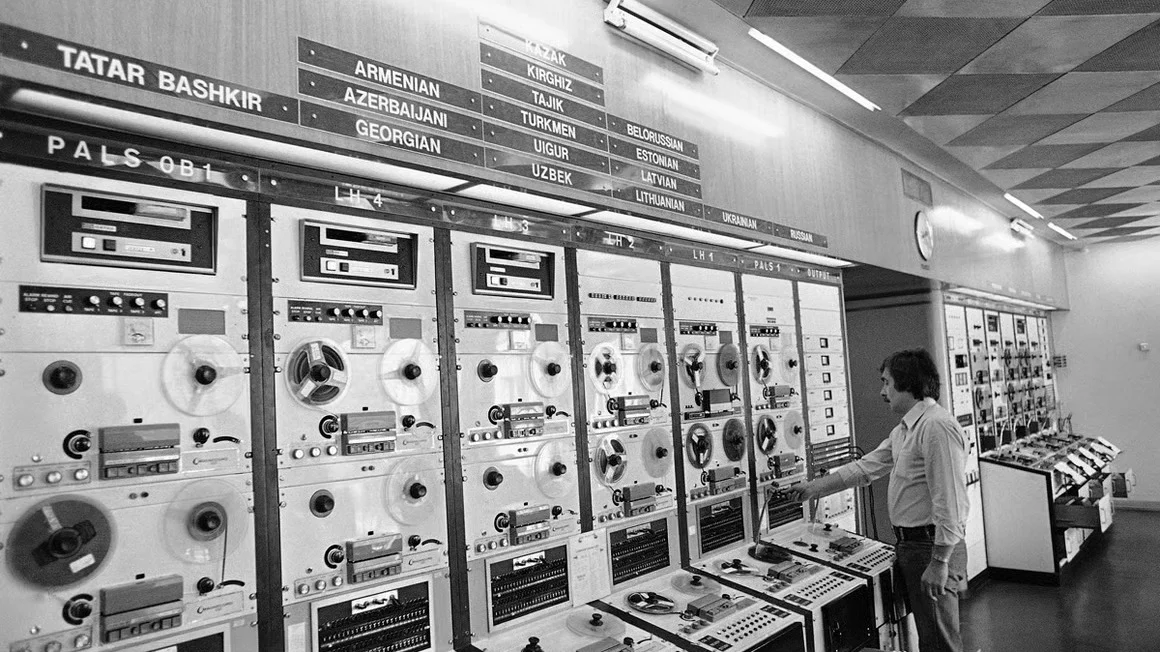
Breaking the waves
The Kremlin’s latest attempt to quash Telegram echoes the Soviet Union’s war on foreign radio broadcasts
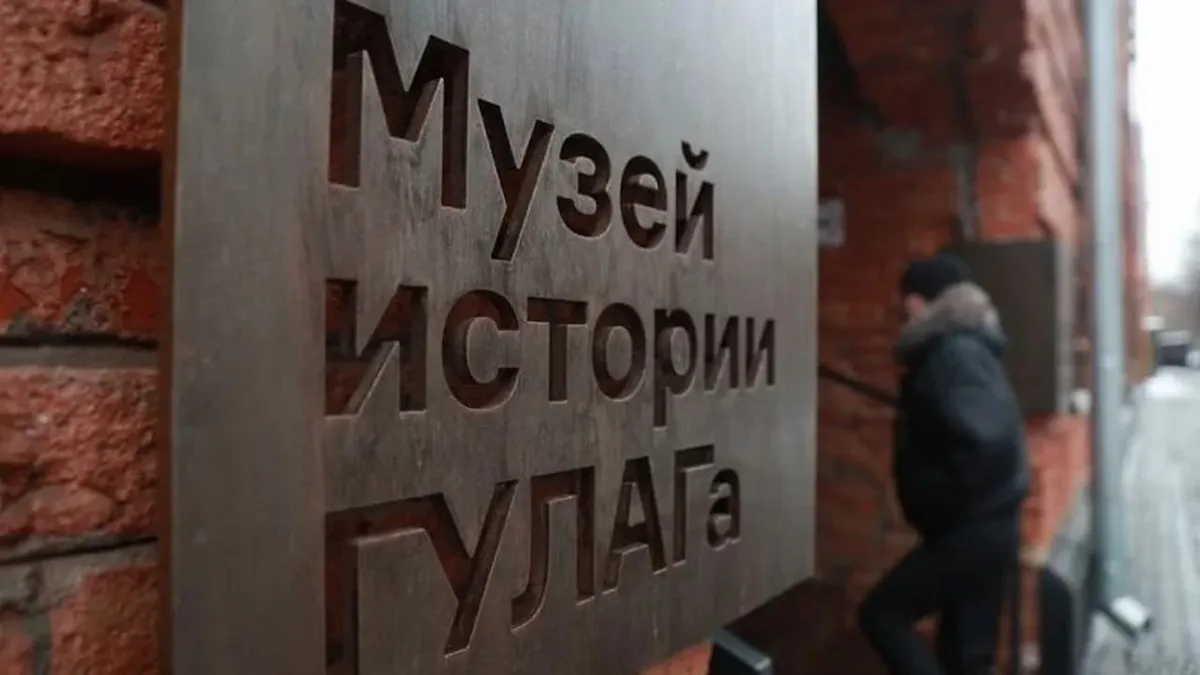
Moscow’s Gulag Museum renamed Museum of Memory and dedicated to ‘genocide of the Soviet people’
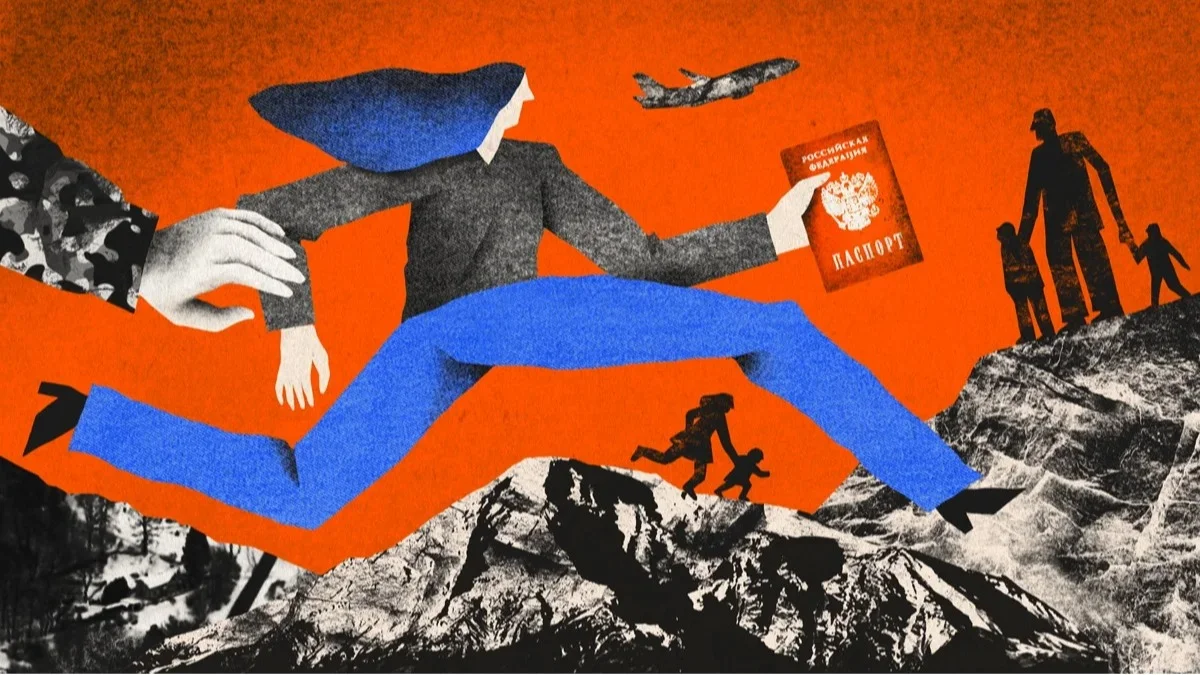
Deserting the paper army
How one woman refused to be a cog in Russia’s military machine
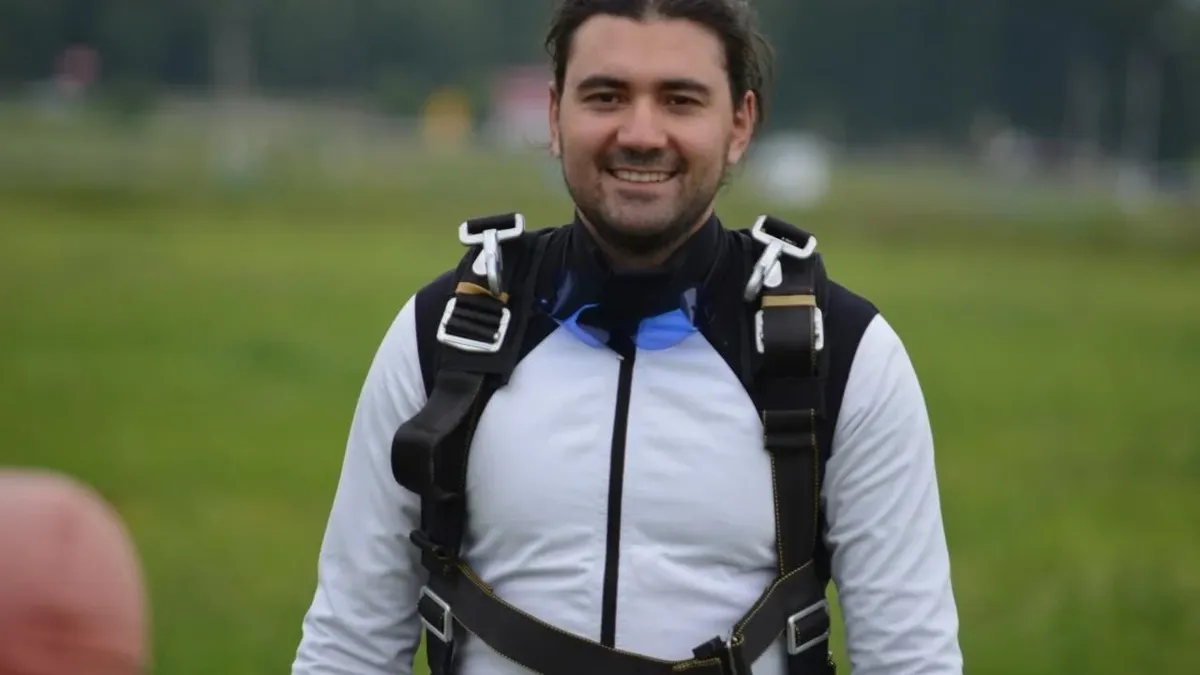
Russian journalist jailed over €3 donation to Navalny’s Anti-Corruption Foundation
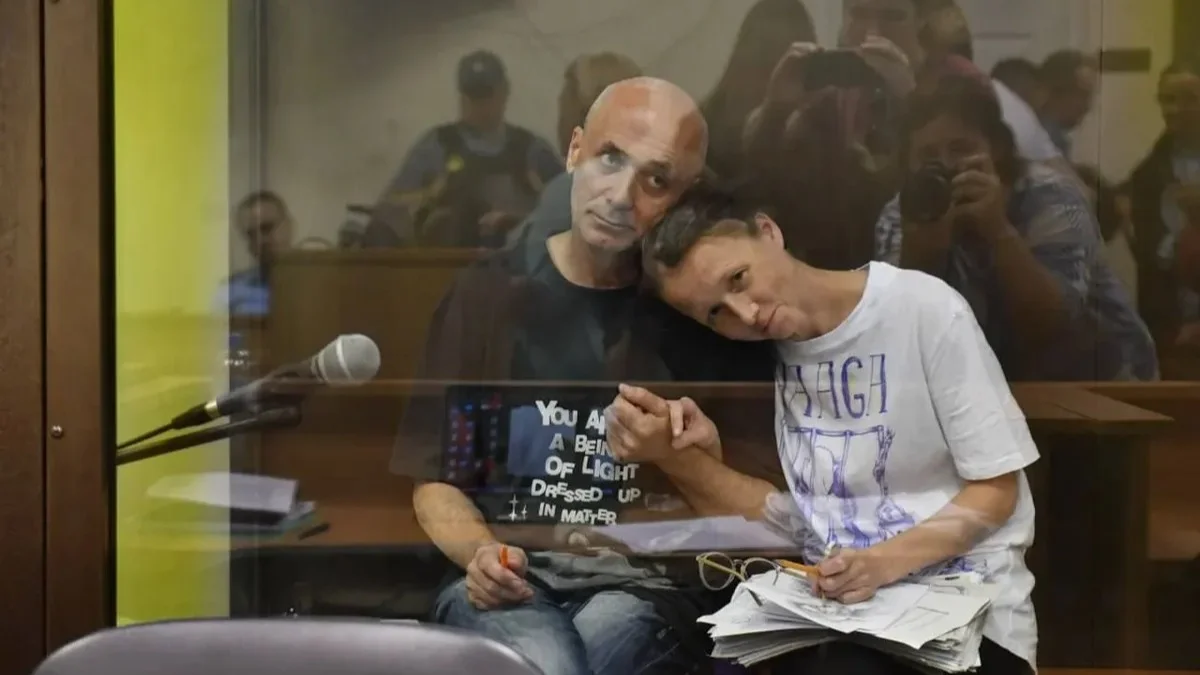
Russian political prisoner dies after suffering heart attack in custody
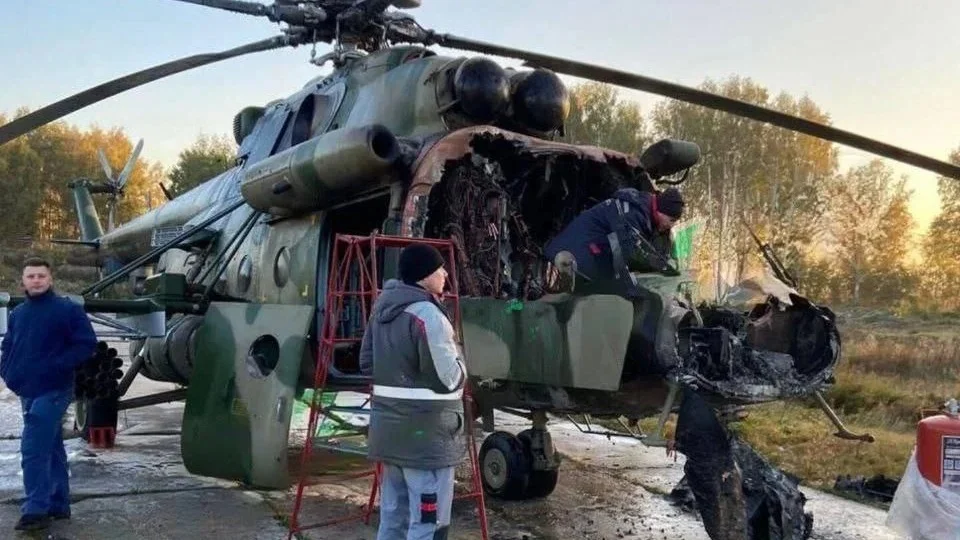
Two Russian minors given 7-year sentences and massive fines for setting fire to military helicopter

Russia’s State Duma passes law allowing FSB to block individual communications
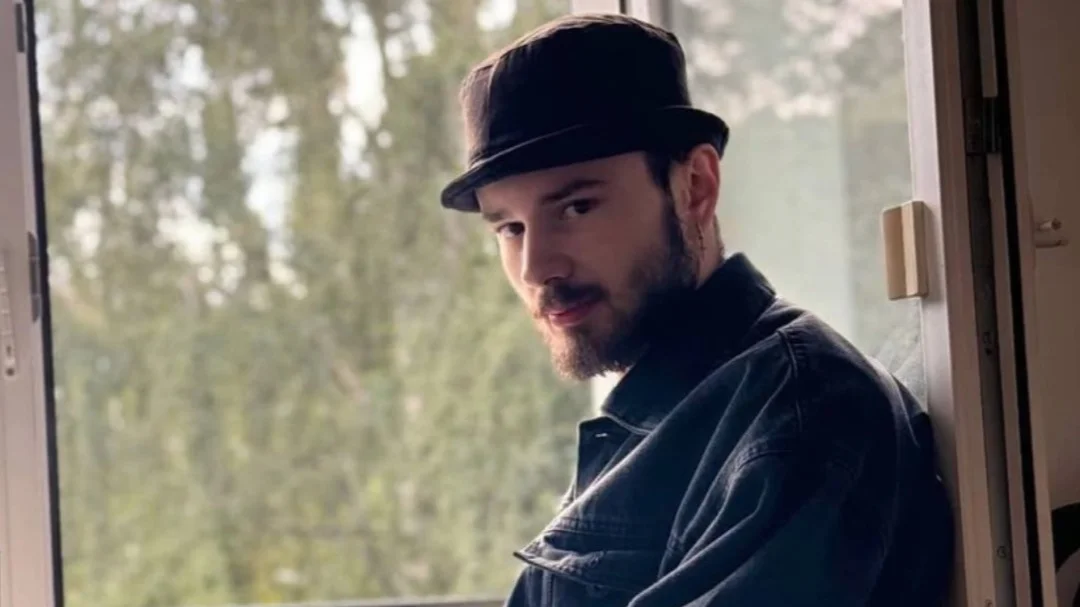
Russian man who declared himself a ‘foreign agent’ as a joke now faces criminal charges
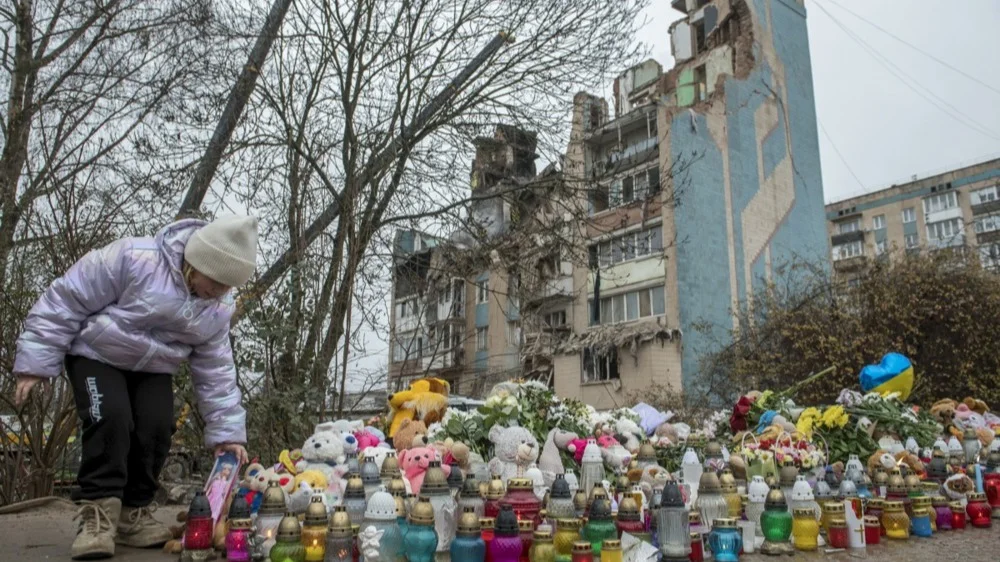
Analysts say 2025 was deadliest year of war for both Ukrainian and Russian civilians