Picking your battles
Novaya Europe analysed almost 40,000 protests to see how Russia’s war in Ukraine has changed civil society
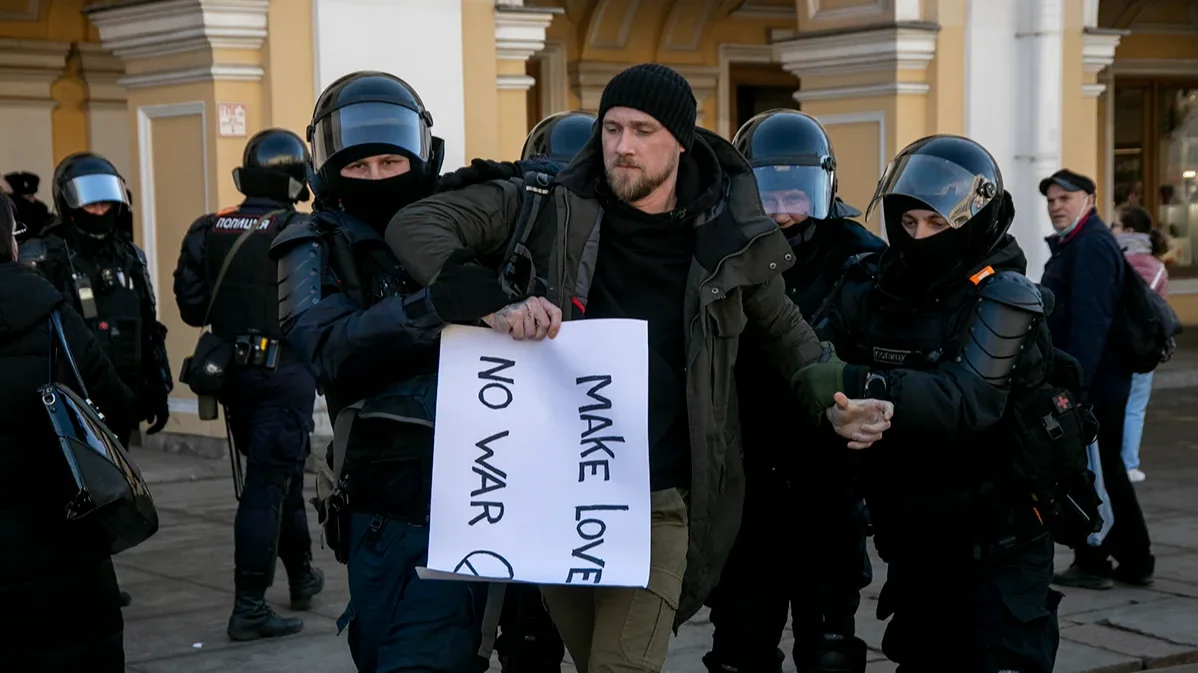
Why don’t Russians protest? Politicians, political scientists and sociologists have all asked the question since the war began. But while the Kremlin has a well-oiled repressive machine in place for dealing with anti-war feeling in the country, there are still frequent instances of civic action — from miners’ strikes to animal rights rallies.
There are, on average, 30 protests a day in Russia. People write complaints, collect signatures, record video messages for the authorities, go on strike or take to the streets.
Only one in five protests in 2024 were street protests. But in February 2022, when Russia invaded Ukraine and street protests broke out across the country, the authorities immediately made it clear that any anti-war protests would be brutally put down. In the last three years, security forces have detained almost 20,000 people participating in street protests, according to human rights group OVD-Info.
Despite the crackdown from the authorities, protests swept the country again six months later when Vladimir Putin announced mobilisation, with security forces detaining 2,457 people between 21 September 2022 and 10 October 2022, according to OVD-Info.
Although those were the last mass protests, civic activity has continued. People are less likely to oppose the regime, but might still protest local issues, such as deforestation or public transport issues.
Despite the risks, residents of Russia have held almost 40,000 protests over the past three years. We have analysed them by category.
Even official data shows that almost half of the country’s utility networks are in a poor state of repair. Last winter, several regions suffered major system breakdowns. The Moscow region saw some residents left without heating in temperatures of -20°C. They filed petitions, sent video messages to Putin and staged pickets.
One of the main environmental causes is the fight to protect Lake Baikal. The forests around the lake have been felled to build railway tracks for years. Fearing for their fate, local scientists turned to the State Duma, while activists launched a petition. It didn’t work. In 2024, parliament extended the logging licence.
In summer 2023, there were multiple rallies in Ulyanovsk, and Perm residents took to the streets for a second time in March 2025. Both groups are reluctant to see historical buildings make way for offices and high-rise buildings.
One of the longest-running protests in Russia began in 2015 with truckers struggling to make payments via the Platon electronic toll collection system. Truck drivers are still protesting.
Alisa, a four-year-old with spinal muscular atrophy (SMA), was buried in St. Petersburg on 13 May. Her overseas brand medication Spinraza had been substituted with a clinically untested Russian generic, Lantesens.
Parents across Russia have to fight the Health Ministry for Spinraza, with pickets reported in Irkutsk, Yekaterinburg, Barnaul and Belgorod. A parent in the Altai region even went on hunger strike in November 2022.
About 80% of waste rots in landfills in Russia. Almost every region has at least one problem landfill. Last year saw at least 15 anti-landfill rallies.
Nizhny Novgorod trolleybuses stopped running on 1 March. Prior to that, residents appealed to Russian chief investigator Alexander Bastrykin six times to safeguard public transport and complained to the governor about overcrowding on buses. Lack of timetabling, outdated vehicles and route cancellations concern Russians almost as much as the state of the roads.
Employees at Wildberries, the country’s largest online retailer, went on strike in March 2023. Pick-up points were closed across the country until the company cancelled fines for the return of defective goods, the protesters’ main demand.
Besides nationwide strikes, such as those by couriers and taxi drivers, there were also local demands made by ambulance crews, bus drivers, builders, factory workers and other employees. Over 360 strikes swept the country in the last three years.
Close to 1,000 people turned out in Moscow, while hundreds more rallied in Izhevsk and Irkutsk, opposing a bill submitted to the State Duma that proposed to legalise the killing of stray animals.
Animal rights activists have long fought for the humane treatment of stray dogs, regularly organising petitions and rallies throughout the country.
There are also dissenters among those who support the regime and the war. Activists from the ultra-patriotic National Liberation Movement frequently take to the streets: they demand the restoration of the USSR, the abolition of Ukraine, that Putin be given emergency powers and missiles be aimed at the US.
HOW WE CALCULATED
We consider any action that aims to raise awareness of a problem, express disagreement or bring about change a protest: rallies, pickets, appeals to the authorities, petitions, strikes, meeting the authorities, hunger strikes, arson attacks on administrative buildings, and handing out leaflets.
We used the most popular social media platforms in Russia — VK and Telegram — as data sources. We downloaded 2,572 news channels from across Russia from the TGStat Telegram channel catalogue, including channels which monitor protests, such as activatica and zabastcom. Using Telegram API, we downloaded all posts from those channels from 2022 to March 2025 and filtered them by keywords such as “protest” or “rally”.
The level of repression, political culture and issues concerning local residents vary from region to region.
Moscow sees the largest political rallies, both by people opposed to and in support of the regime. At the largest such demonstration, on 24 February 2022, security forces detained over 1,000 protesters.
But while the authorities in Moscow may come down hard on any protest, beyond the Urals you can still come out on the streets against corruption. Activists from the local organisation Power in Motion do so on an almost weekly basis.
Novosibirsk, thousands of kilometres from Moscow, is another freedom-loving city. The city has hosted rallies both in defence of traditional values and against blocking YouTube.
In the Kemerovo region, however, locals don’t make political demands and rarely take to the streets. But workers protest routinely: local miners have been on strike since the fall of 2024, while paramedics went on strike in 2023. Ambulance drivers in the city of Novokuznetsk went on strike and refused to do overtime until their salaries were raised. In 2023, they were earning 27,000 rubles (€300) a month.
Moscow may be known for political protests, but the Moscow region is known for protests about everyday problems like utilities. In March, one such protest was even lent support by servicemen from the city of Pushkino who addressed Putin to complain of sewage being discharged into the River Ucha. In the nearby city of Dmitrov, residents also appealed to Putin as the sewage system in the city was close to collapse.
St. Petersburg’s beautiful historic centre has given rise to an active urban preservation movement, with activists saving houses from demolition and trying to have them restored to their former glory. In October, a flash mob sought to defend buildings’ original appearance. Their message: “No to window genocide!”
In some regions, it is more dangerous to pick a fight with the authorities than others, and annexed Crimea is one of those. OVD-Info says it is one of the most repressive parts of Russian-ruled territory alongside Moscow, St. Petersburg and the republics of Tatarstan and Bashkortostan.
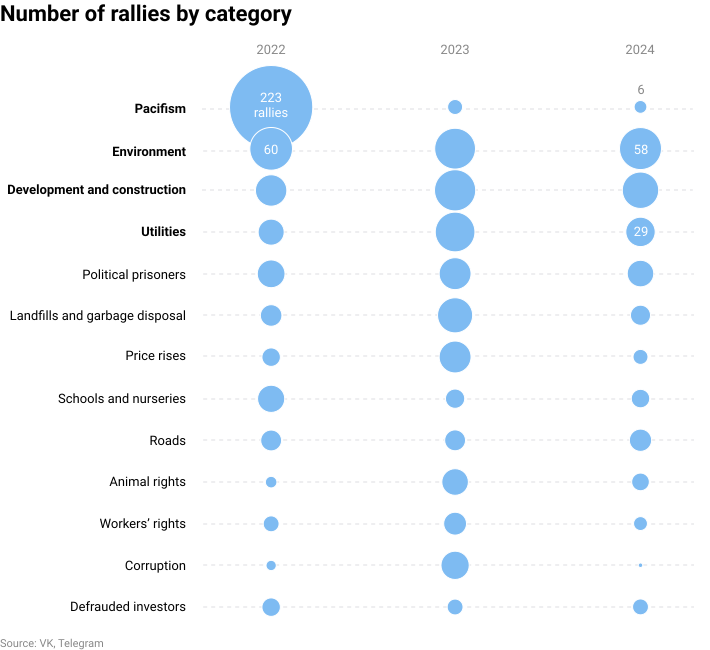
Over the past three years, political parties and other movements have only organised 15% of protests.