With or without you
As Trump looks set to abandon Ukraine peace efforts, Europe must step up to face Russian aggression on its own
Donald Trump appears to have had a major change of heart with regards Ukraine. On the face of it, it looks like he has embraced outright optimism that Kyiv “is in a position to fight and WIN all of Ukraine back in its original form”. This came with the message that Europeans will need to be in the driving seat to make this happen. According to Trump, a Ukrainian victory depends on “time, patience, and the financial support of Europe and, in particular, NATO”. The only US commitment is “to supply weapons to NATO for NATO to do what they want with them”. Most tellingly, Trump signed his Truth Social missive off with: “Good luck to all!”
European members of NATO are deeply concerned about US abandonment. Add to that fears of a disastrous trade war, and placating Donald Trump becomes a priority.
To begin with, the coalition of the willing is not a coherent body. Its membership includes members of NATO and the EU, as well as Australia, New Zealand, Japan and South Korea. But the United States is not among their number. It grew from eight countries plus the EU and NATO in February, to 33 participants in April, and 39 in September. Its relationship with the 57-member Ukraine Defence Contact Group of countries supporting Kyiv with military equipment, which held its 30th meeting in early September, is not entirely clear.
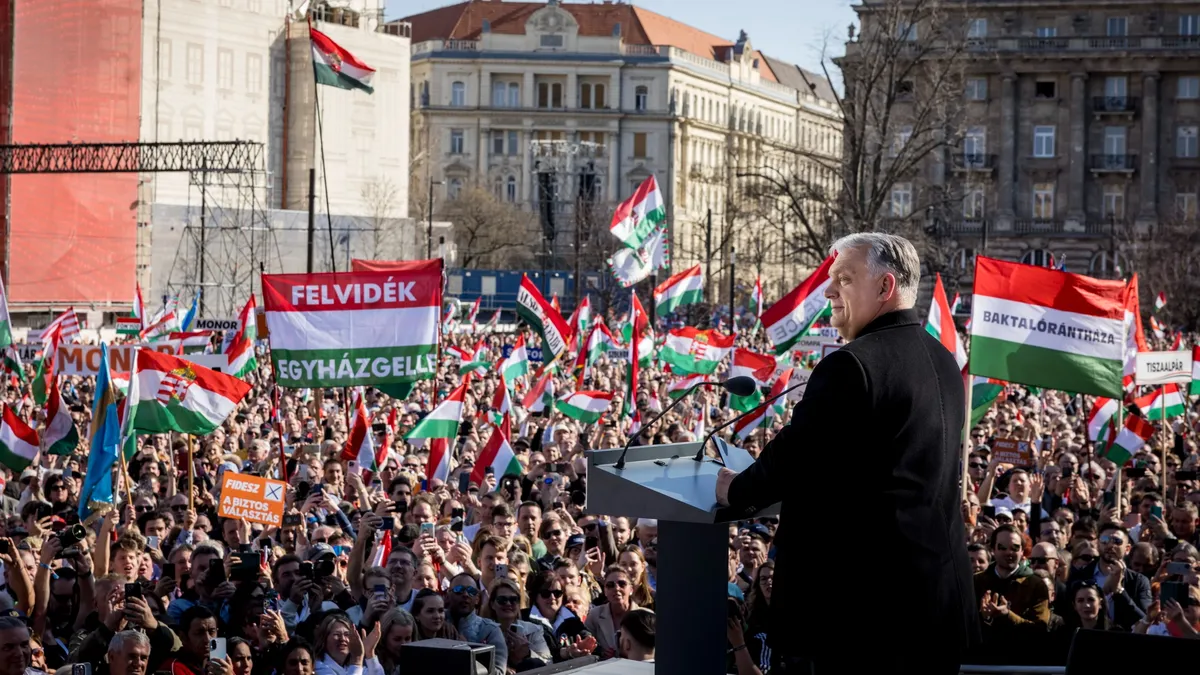
The lack of coherence in membership is mirrored by different levels of commitment, whether that’s the willingness to deploy a reassurance force after a ceasefire in Ukraine — or the capacity. It’s also not entirely clear whether the leaders of the EU and NATO are speaking for all members of their organisations. Among EU and NATO members, Hungary and Slovakia, for example, have taken ambiguous stances when it comes to defending Europe against Russia.
These different levels of commitment also reflect partially conflicting priorities. European members of NATO are deeply — and not wrongly — concerned about US abandonment. Add to that fears of a disastrous trade war, and placating Donald Trump becomes a priority.
Doing so by buying US arms may please Trump and plug gaps in Europe’s ability to supply Ukraine. But it is perhaps not the best way of ensuring the urgently needed development of the independent European defence-industrial base.
Trump’s return to the White House swiftly ushered in the end of US largesse in support of Ukraine. Europeans have only partly filled that gap, with Germany taking the lead and the EU mobilising over €10 billion in its current budget to 2027, with the aim to supplement efforts by member countries. But it’s not clear how long these efforts will be sustainable in light of inflation and domestic spending pressures. France’s public finances are in distress, while Spain has openly defied NATO’s 5% spending target.
Part of the solution to these problems would be much swifter defence-industrial cooperation across the coalition, including with Ukraine. Over time, this could help to build the indigenous defence-industrial capacity needed to produce military equipment at the scale needed. But making up for critical gaps in manpower, dealing with the Russian drone threat, strengthening air defences and long-range strike capabilities, and replacing the potential loss of US intelligence support will not happen overnight.
Europeans need to keep the US engaged as much as possible, literally by buying Trump off, because they currently lack critical capabilities.