Duty to remember
Ukraine is beginning to think about memorials, a tricky task during an ongoing war
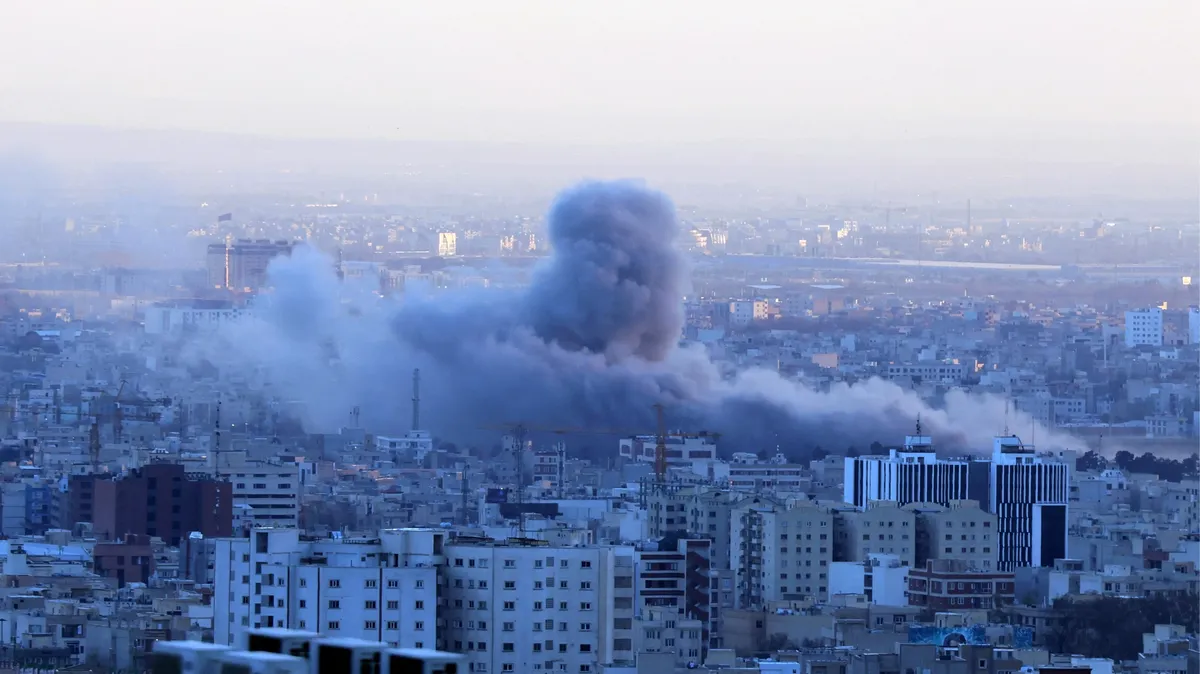
Three and a half years after Russia invaded Ukraine, there are few immediate signs of a cessation to the ongoing hostilities. Yet amid the steady toll of frontline fighting and near-daily Russian airstrikes, Ukrainians are already considering how to remember the tens of thousands of lives lost over the course of this conflict.
Traditionally, war memorials used monumental architecture to remember those who died during conflict.
The Holocaust changed everything about the way the world memorialises large-scale death.
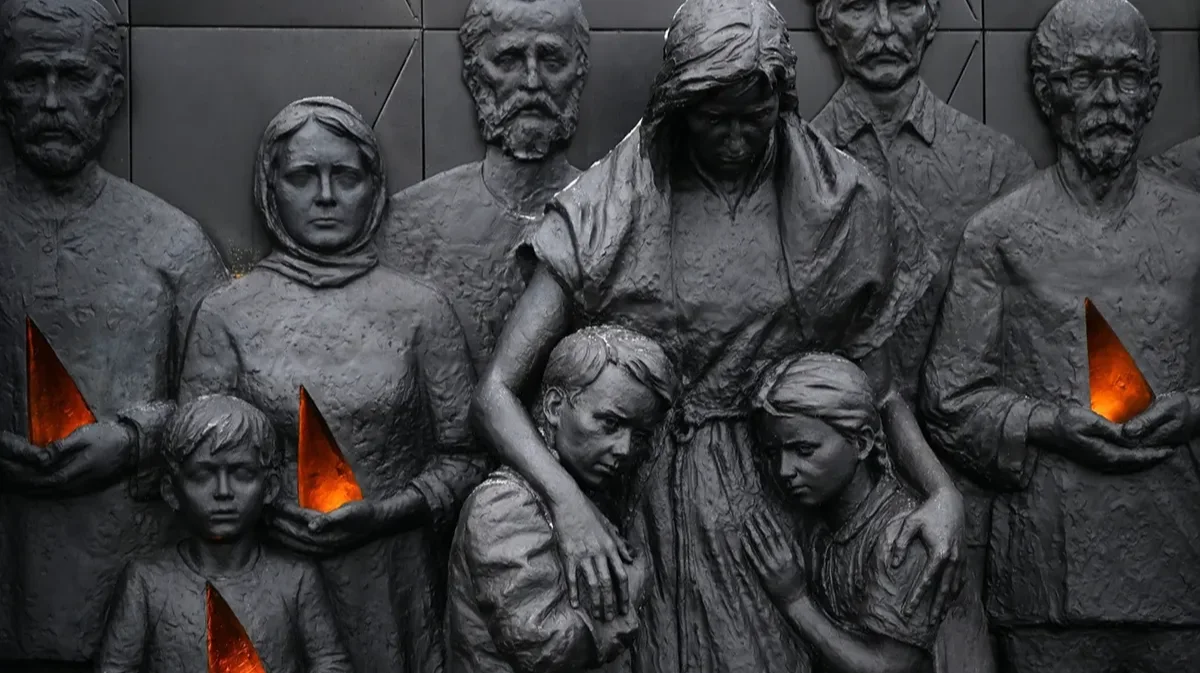
As a result and over time, memorials focused far less on monumental forms and realistic imagery glorifying the state and opted for abstract and immersive styles intended to invoke a sense of loss and a commitment to preventing future violence. These memorials to victims of genocides and other atrocities also respond to an increasingly recognised “right to memory”, as victims demand acknowledgment of the trauma they have experienced.
One of the most influential examples of how memorialisation has changed is the Memorial to the Murdered Jews of Europe in Berlin. Designed by American architect Peter Eisenman and inaugurated in 2005, it features over 2,700 concrete columns arranged in a grid over almost five acres of land in central Berlin. Visitors are invited to walk through the grid-work of columns, which are meant to evoke an emotional response in visitors.
Ukraine has lost both soldiers and civilians. Can and should these losses be memorialised together?
But building a memorial will not, in itself, mark the end of the conflict and, as such, may be putting the cart before the horse.