One step forward
A lack of progress on joining the EU caps another bad month for Ukraine
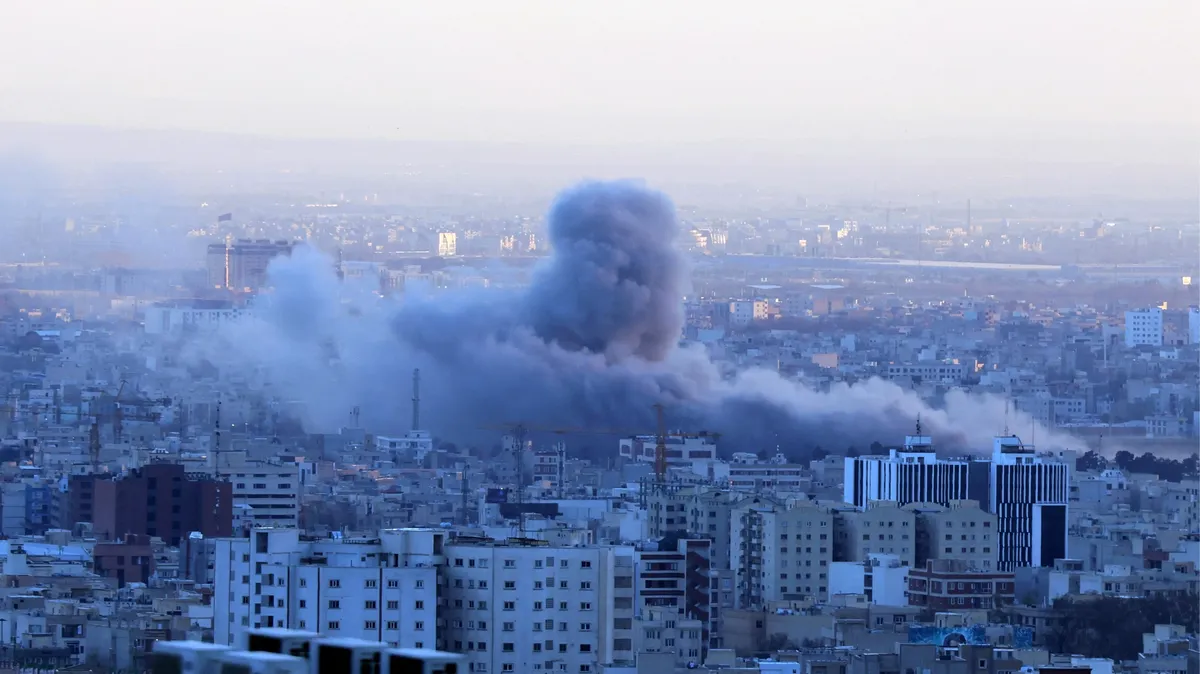
Ukraine is having a tougher than usual time at the moment. On the frontlines, the battle of Pokrovsk is raging, and it does not look like Ukraine is winning it. Nor do things look good for the country’s energy resilience after months of an intensive Russian air campaign targeting key infrastructure. According to the UN, this could trigger another major humanitarian crisis in the already war-ravaged country.
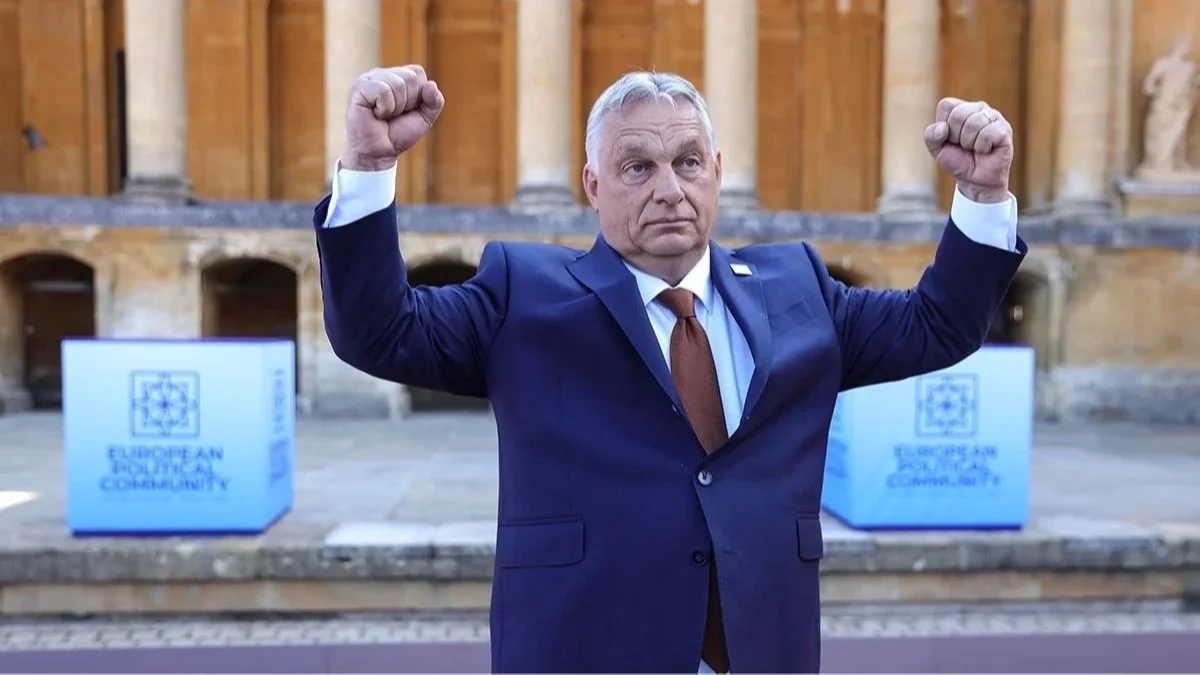
This provides easy ammunition for Ukraine’s detractors inside the EU. Chief among them is Hungary’s prime minister, Viktor Orbán, whose obstruction tactics have frustrated European commission efforts on Ukraine’s accession.
The European Commission notes in its report that Ukraine has made progress in all of the 33 different chapters of the accession negotiations. This is as remarkable as it is commendable given that the country has done so in the shadow of Russia’s aggression since February 2022. Yet, in many areas, progress is modest at best. A more careful analysis of the 2025 commission report suggests that positive news, if any, is in the presentation, not the underlying facts.
For example, in relation to the fight against corruption the commission reports that recent developments “cast doubts on Ukraine’s commitment to its anti-corruption agenda”. This is primarily a reference to attempts by Zelensky’s government to limit the independence of the country’s anti-corruption institutions. The issue triggered massive public protests in the summer and forced a partial government climb-down.
Worryingly, the commission also notes “political pressure on anti-corruption activists” and “harassment and intimidation of journalists”. This includes “cases of strategic lawsuits against public participation (SLAPPs) related to journalistic investigations”.
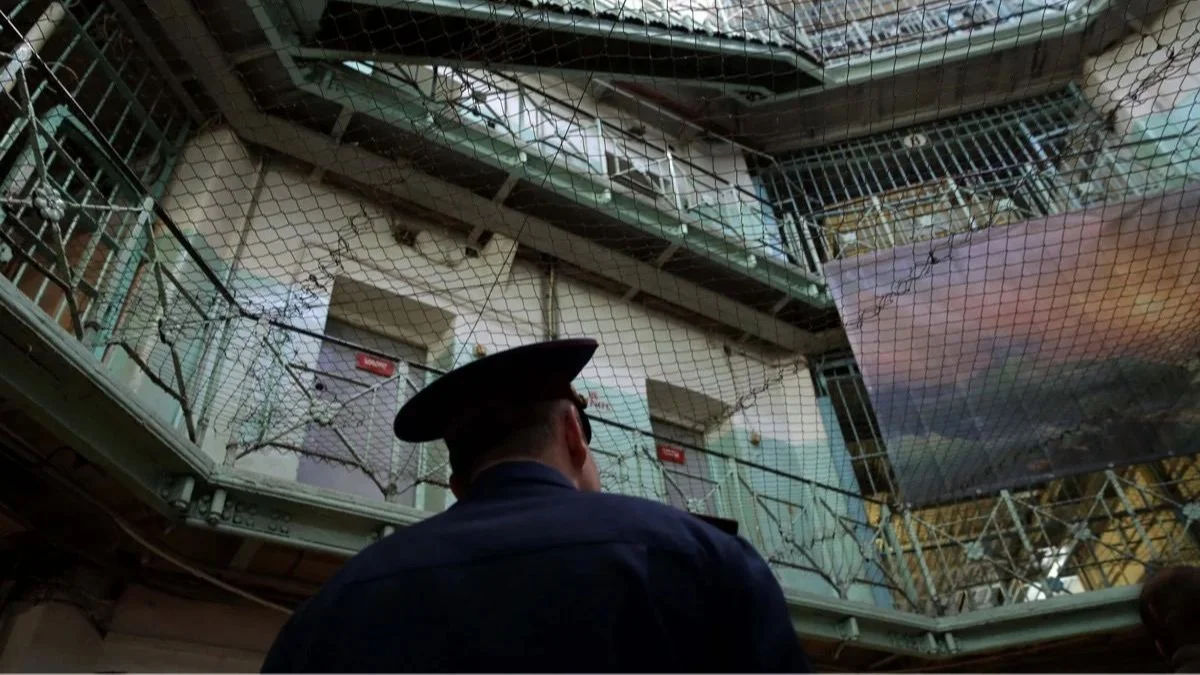
Meanwhile, in the fight against serious and organised crime, the commission report states: “The freezing and confiscation of criminal assets remain very limited.” Other shortcomings concern limited progress on decentralisation, lack of transparency in recruitment to civil service positions, the independence and impartiality of the judiciary, and the persistence of torture and ill treatment in the prison and detention system.
On the one hand, it is not surprising that these shortcomings exist. Ukraine has been fighting an existential war for almost four years. The country has only been a candidate country for EU membership since June 2022, four months after Russia launched its full-scale invasion. Accession negotiations didn’t start until December 2023.
Yet it is the persistence of these highly visible, easily exploitable problems related to fundamental values of the EU that are causing concern. Almost identical issues were raised in the European Commission’s opinion on Ukraine’s membership application in 2022. It was raised again in the 2023 report and again in last year’s progress report on accession negotiations.
It may be an exaggeration to claim that Ukraine is experiencing a turn towards a more autocratic style of presidential government under Zelensky. But there clearly are signs that war-time politics in Kyiv has a darker side that does little to bolster the country’s credentials for EU membership.
The EU’s foreign affairs chief, Kaja Kallas, continues to insist that membership for Ukraine by 2030 “is a realistic goal”. But the EU’s enlargement commissioner, Marta Kos, is more guarded.