The confiscation protocol
Estonia has announced it is going to transfer Russia’s frozen assets to Ukraine. Let’s see if this is possible to do and should we expect such actions from the rest of the EU
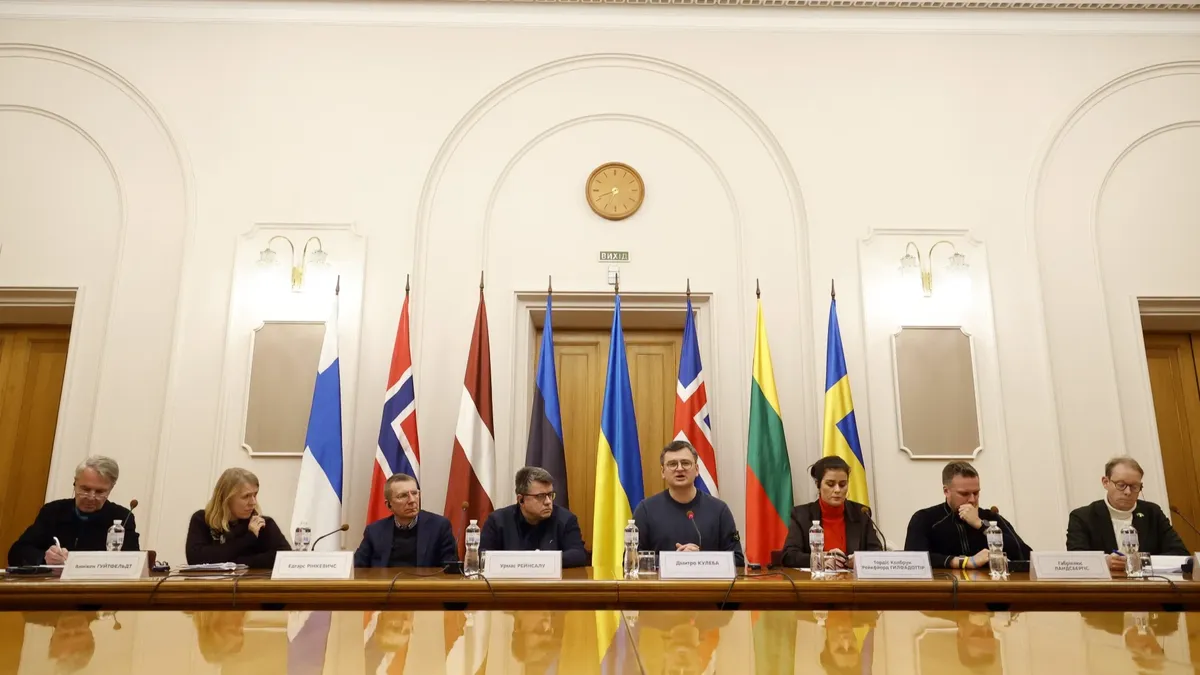
The talks about the fate of Russia’s frozen assets have been going on in the EU since the start of the war. Politicians at both European and national levels are arguing whether there are legal mechanisms for the seizure of these assets in favour of Ukraine, and if such mechanisms are not enough, then whether those can be created without violating fundamental human rights and international law. This argument took a new turn in January when the authorities of Estonia, without regard to the position of the European Commission and their colleagues in the EU, announced they were soon going to present a plan on how to transfer Russia’s assets in the country to Ukraine.
Novaya-Europe has contacted European politicians and experts on international law to find out what the potential fate of Russia’s frozen assets might be, how realistic the prospect of using them to help Ukraine is, and what is behind Tallinn’s new initiative.
At the beginning of the war, a consensus was formed in Europe that the properties of the Russian oligarchs involved in the war need to be confiscated. The European Commission set up a dedicated work group for this purpose called Freeze and Seize.
Seeing the lack of consensus in the European Commission, the Estonian government, Reinsalu says, decided to create a “legal structure” that would allow Estonia to use the $20 million of Russian assets it froze earlier.
In any case, even at the national level, it will not be possible to carry out confiscation without litigation.

Academic retreat
Central European University’s ‘undesirable organisation’ label has created a headache for its roughly 100 Russian students and staff
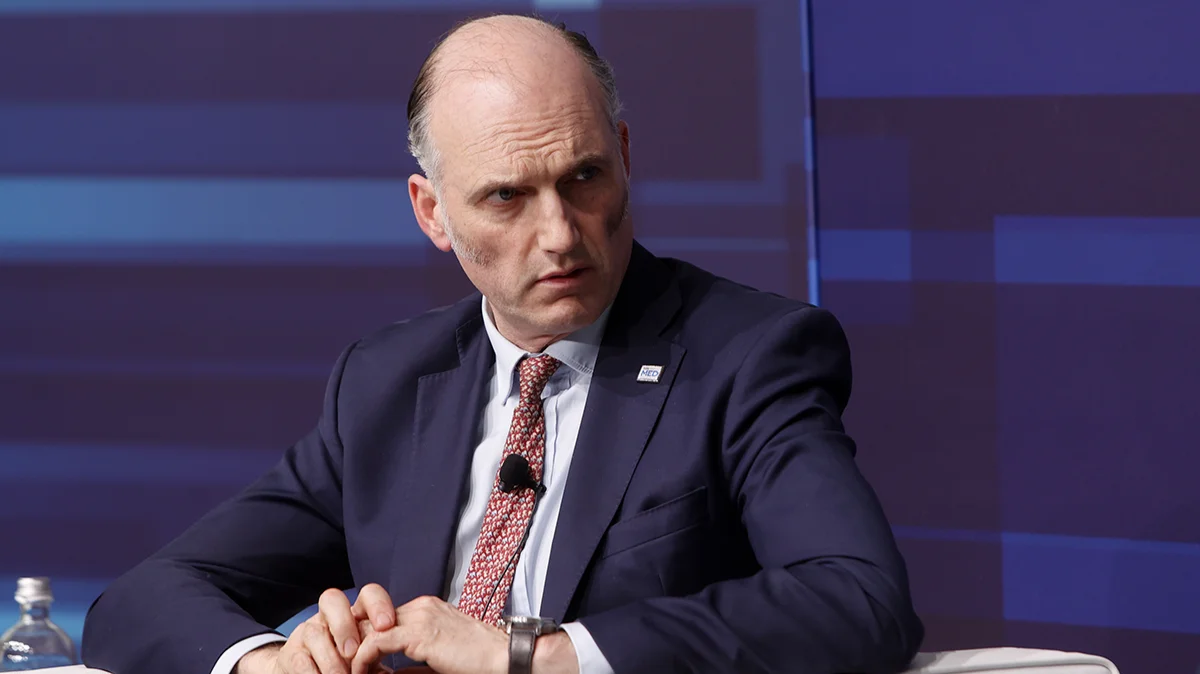
‘Ukraine has made Russia weaker’
Britain’s former Minister of Defence on how the war has diminished Russia but united Europe
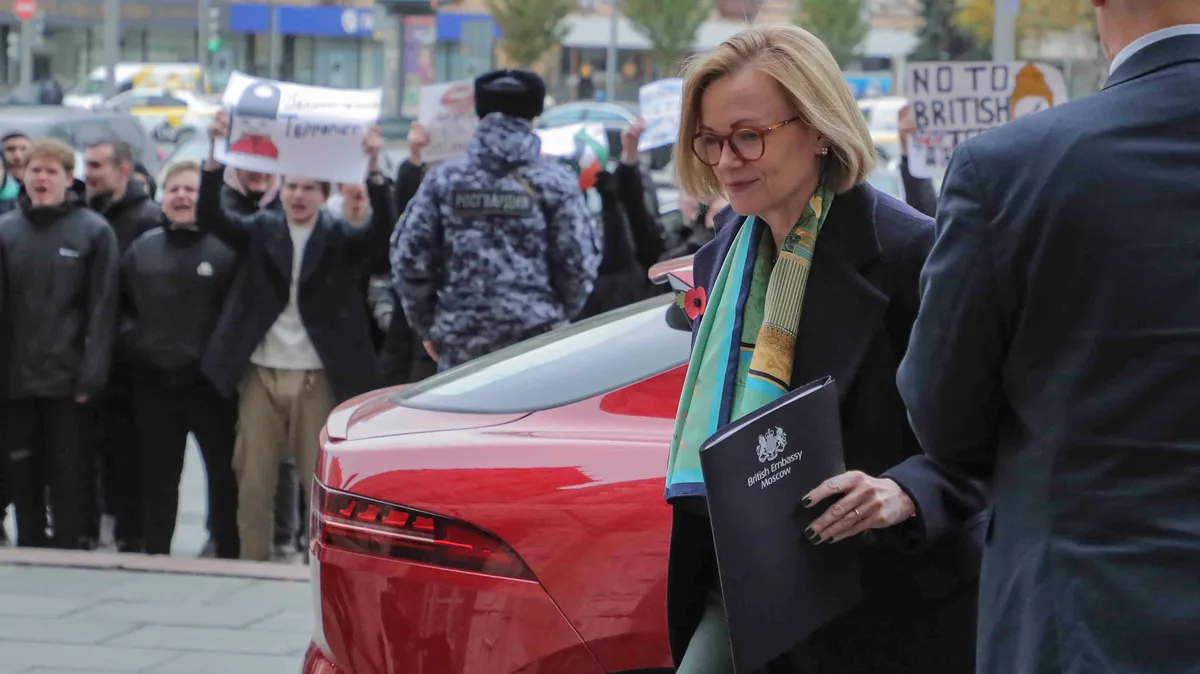
Final communiqué
The outgoing British ambassador to Moscow reflects on the parlous state of UK-Russian relations

Gerhard Schröder is unrepentant
Former chancellor Gerhard Schröder has become synonymous with German outrage
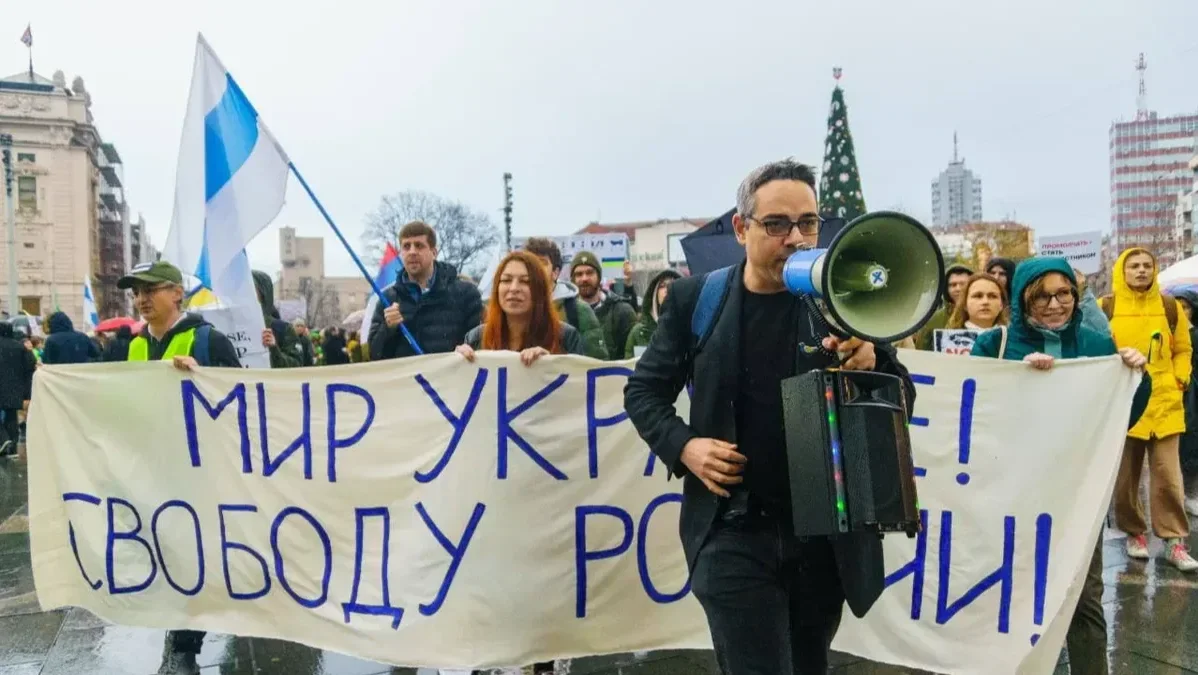
Bird of prey
Serbian authorities attempted to ban a Russian anti-war activist from entering the country. What does this mean for Russian exiles in Serbia?
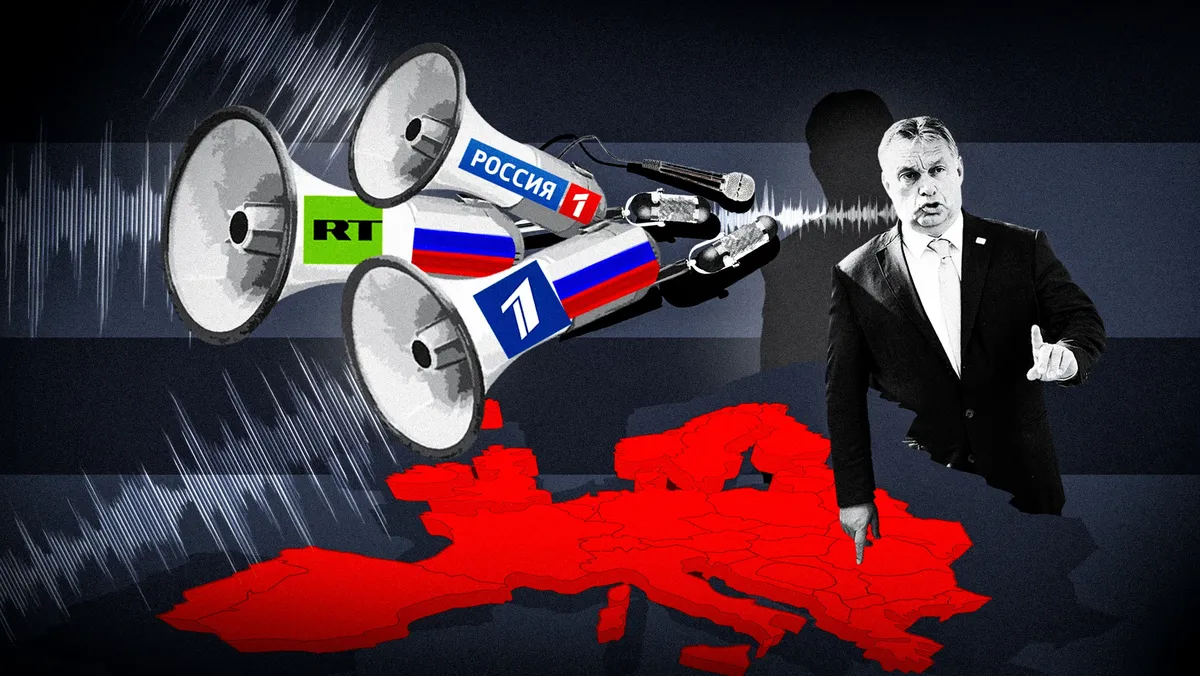
How the Kremlin promotes Orban as the voice of ‘real’ Europe
An overview of the Russian propaganda’s coverage of Hungary
Fringe EU guests demonstrate decline of ‘Putin’s Davos’
An overview of this year’s St. Petersburg International Economic Forum attendees
The fighters coalition
Kyiv is preparing to receive F-16 fighter jets from its allies. This won’t be much help for the counteroffensive, but will make it harder for Moscow to win a war of attrition
From tentative partners to enemies: a retrospective on Poland-Russia relations
Despite attempts to establish dialogue in the 00s, the goodwill between Moscow and Warsaw seems to have run out completely by 2023