Unpredictable past
How the ‘genocide of the Soviet people’ has become a new weapon in Russia’s historical propaganda
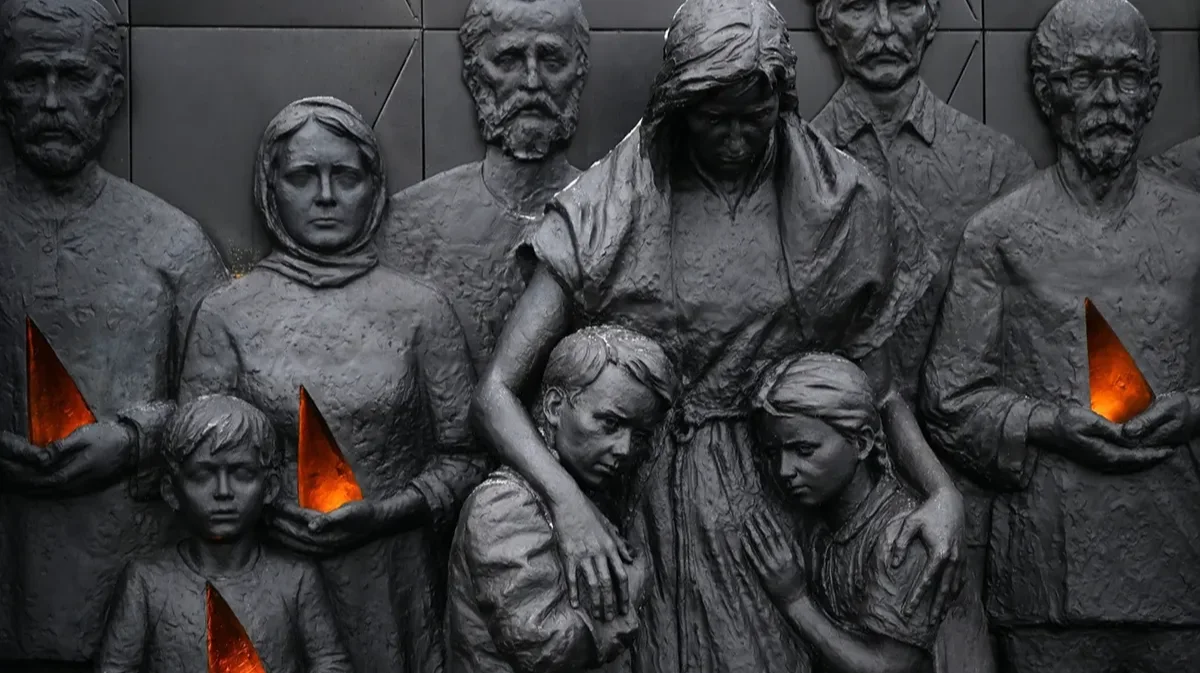
Late last month, Russian President Vladimir Putin unveiled a vast new monument outside St. Petersburg to the Soviet victims of the Nazi genocide during the Great Patriotic War — Russia’s name for World War II. The memorial marks a decisive pivot in the Russian state’s attitude towards its own historical memory, and not only stresses Russians’ role as great heroes, but also as unavenged victims.
In 2005, the United Nations General Assembly established 27 January as the International Day of Commemoration of Victims of the Holocaust as it was on that day in 1945 that the Red Army liberated Auschwitz, the Nazis’ largest death camp.
But from 2020 on, the authorities began to foreground the concept of a “genocide of the Soviet people”, which portrays the Russian people as both the main victims of Nazism and its principal vanquishers.
From an academic point of view, the “genocide of the Soviet people” is both meaningless and counterproductive, as it reduces Nazi extermination policy to a uniform entity, rather than understanding the phenomenon’s complex details.