Past perfect
How the Russian state reframed the collective trauma of World War II to serve its own political ends
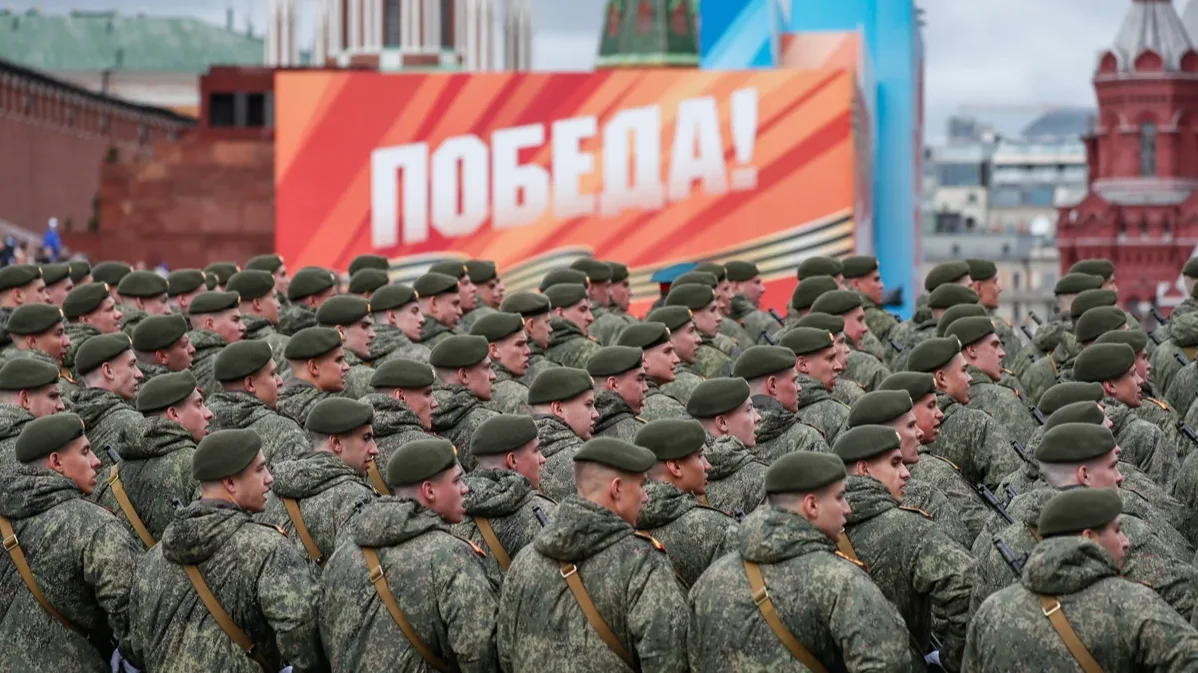
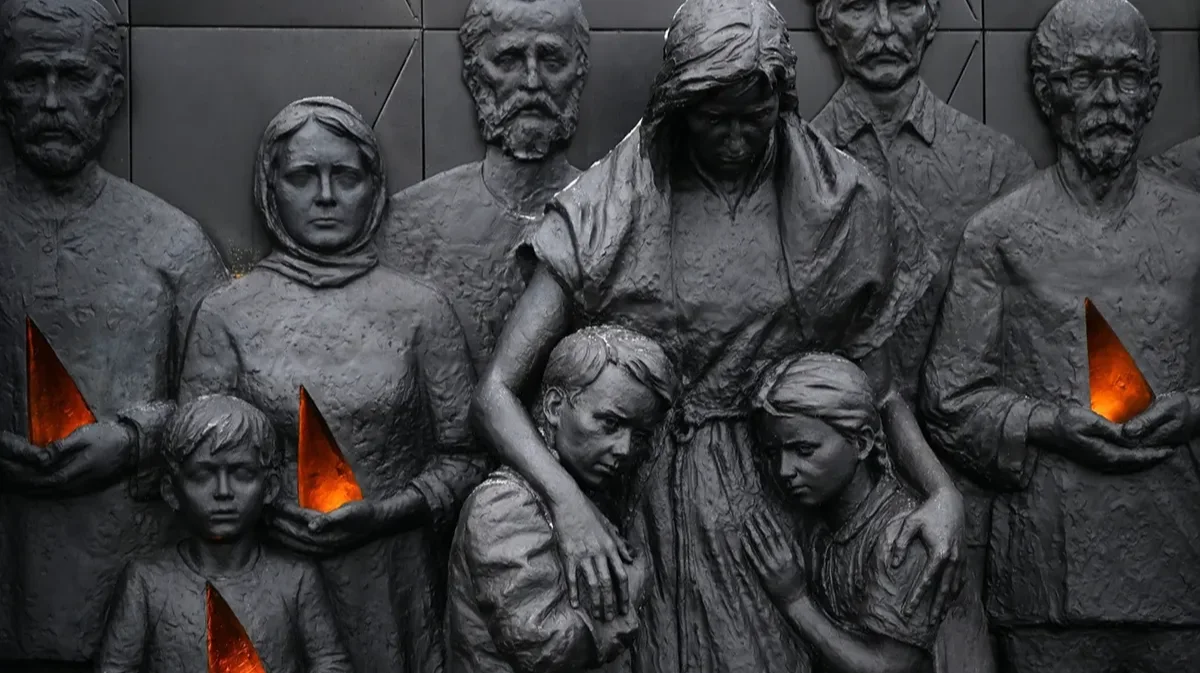
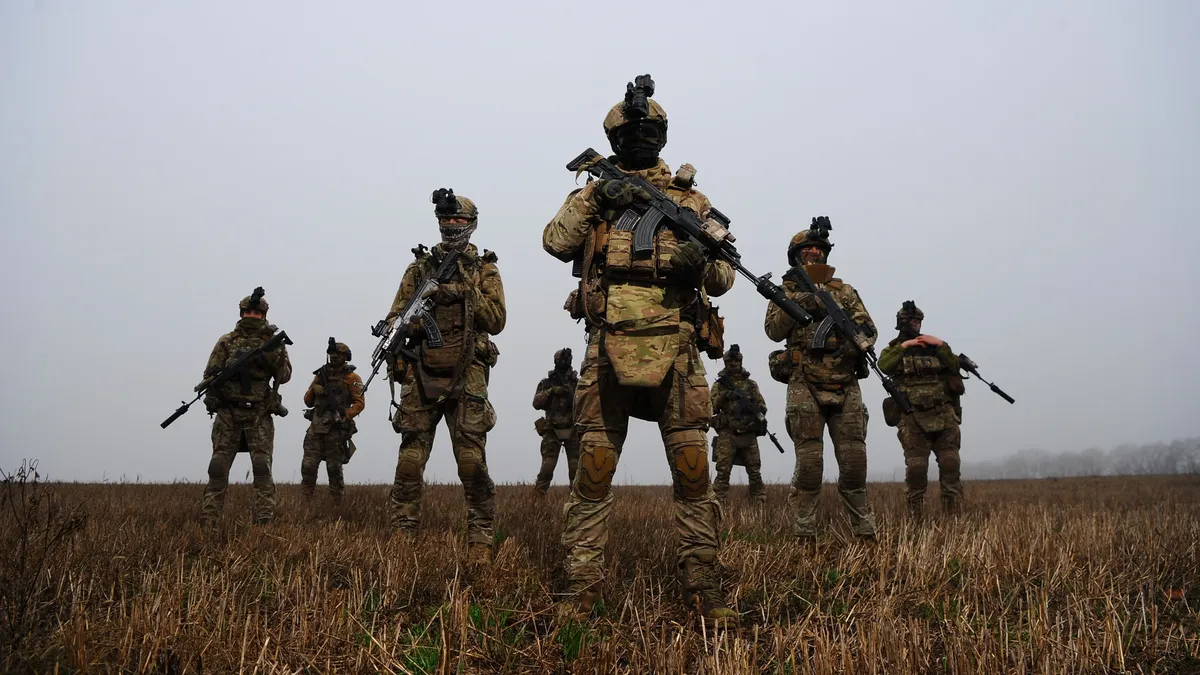
The past two decades have seen the rampant exploitation of the collective national memory of World War II by the Russian government. Veneration of the Red Army’s military victory has acquired a cult-like status in today’s Russia that has made posing uncomfortable questions about the past taboo while also serving the political needs of the current government, principally by providing a justification for its invasion of Ukraine.
In another instance two years later, a doctoral student was denied his PhD after he submitted a thesis that dared to argue that the widespread Soviet collaboration with occupying German forces was a form of protest against Stalinism.
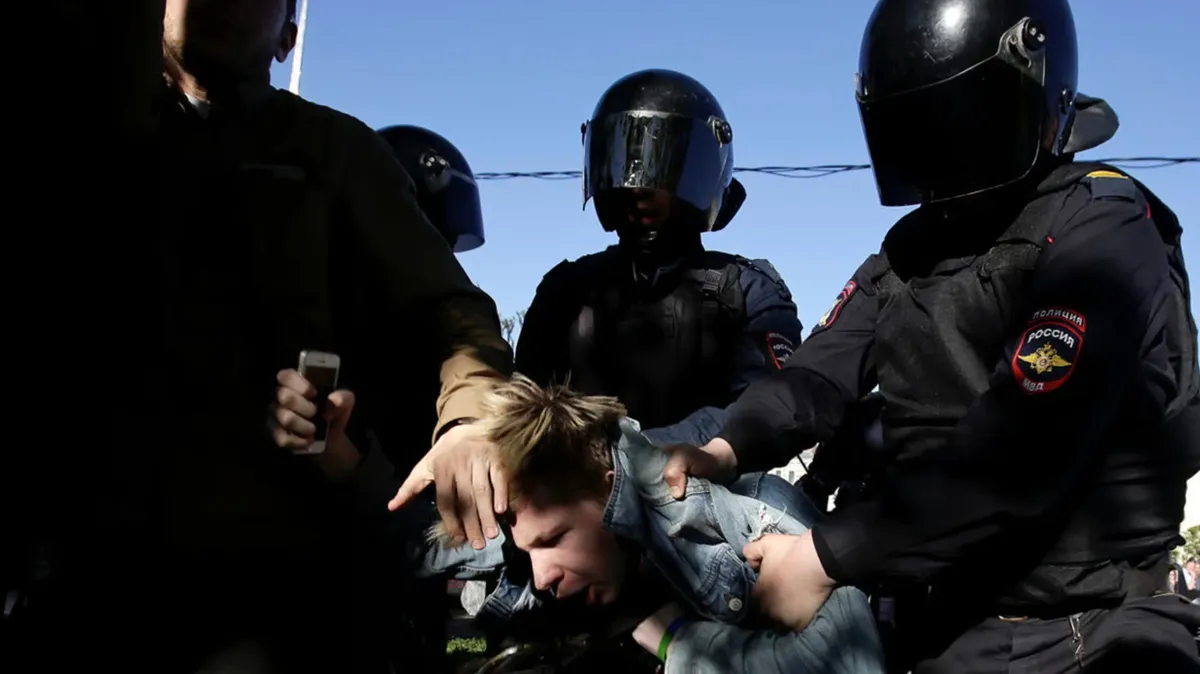
Misleading parallels equating Hitler to the West, and Ukrainians to Nazi collaborator Stepan Bandera only further stifle any dissent and have made those who disagree with state policy traitors in the eyes of much of the population.