Paying the piper
The transit of Russian gas to Europe through Ukraine will end later this year unless an alternative can be found
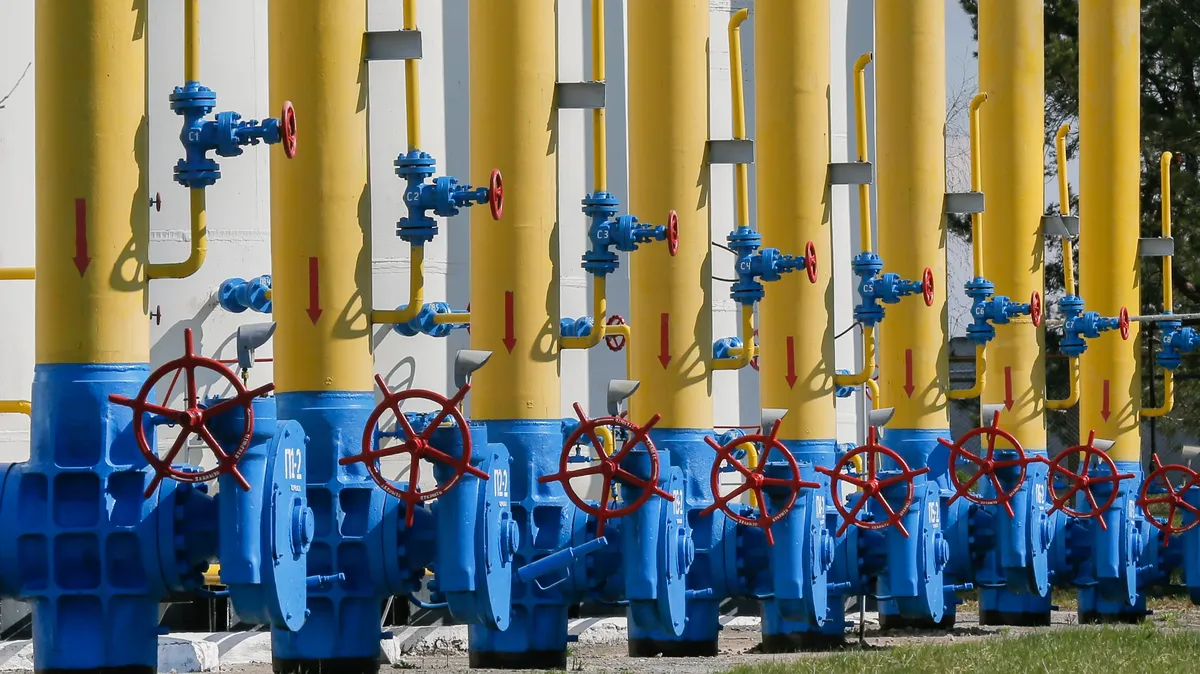
On 31 December 2024, a five-year contract between Russia’s Gazprom and Ukraine’s Naftogaz for delivering Russian gas to Europe via Ukraine expires. As it stands, over half the pipeline gas Moscow still supplies to Europe uses this route, principally to reach markets in Slovakia, Austria and Hungary. While the Kremlin has indicated that it is prepared to continue these deliveries, Kyiv has ruled out any extension to the contract. Economically, however, Kyiv, Moscow and Brussels all have a deep vested interest in continuing the current arrangement, and are seeking a viable solution to this geopolitical conundrum.
The basis of the agreement was the ship-or-pay principle, which obligated Gazprom to deliver a set amount of gas through the Ukrainian gas transport system.
“[In 2021] Russia controlled around 46% of the gas market in the EU, and 55% in Germany.”
By July 2022, Nord Stream 1 was working at just 20% of its capacity, and by September it ceased operation entirely.
“If it hadn’t been for the war, Russia would have put an end to gas transit via Ukraine.”
While five years ago Russia was planning to end its cooperation with Ukraine’s Naftogaz, the war has changed its priorities. “If it hadn’t been for the war, Russia would have put an end to gas transit via Ukraine,” says Yury Korolchuk, energy analyst and cofounder of the Ukrainian Institute of Energy Strategies. “But now there is no Nord Stream and no Yamal–Europe. There is just Ukraine and Turkey.”
The Kremlin has made no secret of its interest in extending the gas transit contract with Ukraine, and in July Russia’s Deputy Prime Minister Alexander Novak publicly announced that Russia would be prepared to continue transporting gas via Ukraine after 2024, should Kyiv agree.
Above all, transit means foreign currency revenue which Gazprom would be very unhappy to lose.
Although European countries were forced to open ruble accounts in Gazprombank, they still buy these rubles from the same bank for euros. In the first year of war, the export of Russian pipeline gas to Europe dropped by 62%. In 2023 it continued to drop, and Gazprom’s revenue fell by 27%. For the first time since 1999 the company recorded a net annual loss, amounting to 629 billion rubles (€6.1 billion). Before the war, Gazprom’s annual profit from the sale of gas through the Ukrainian corridor likely topped €10 billion, and although it has since dropped, according to various estimates it is still worth somewhere between €4 billion and €7 billion per year.
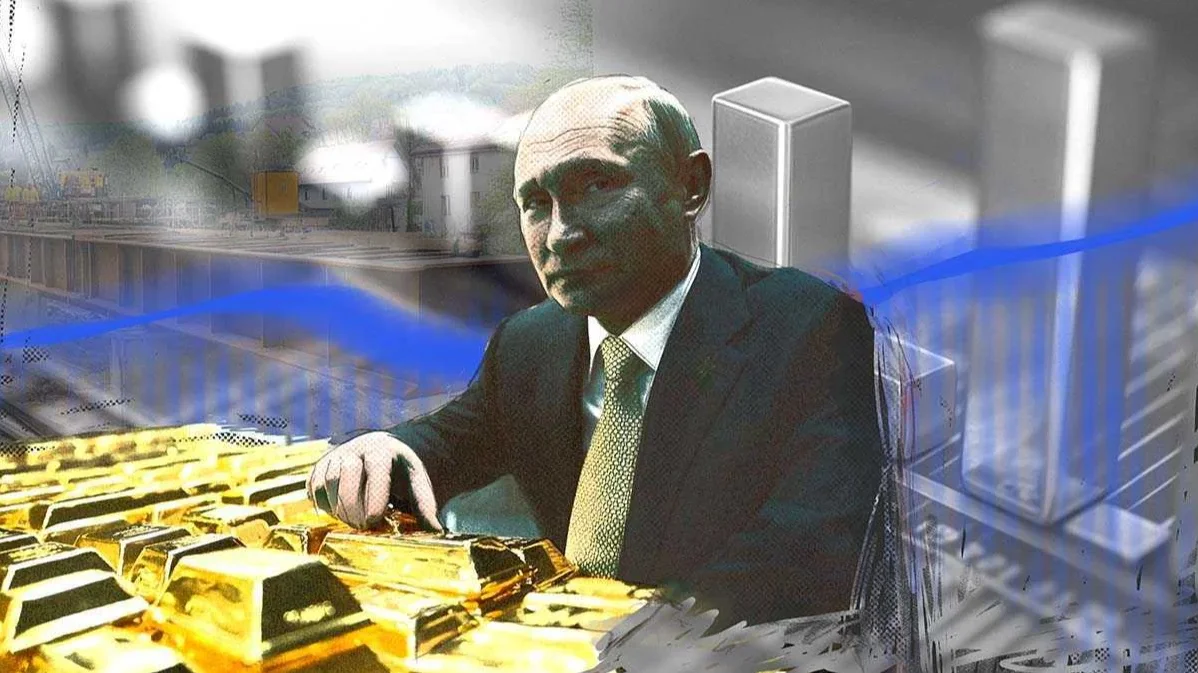
Furthermore, it is unlikely that Gazprom would be able to find other buyers for such vast volumes of gas. “China won’t buy it, but even if it did, it would demand domestic Russian prices,” says Honchar, adding that Russia’s neighbours in Central Asia have their own gas supplies.
Should the Ukrainian transit stop, Gazprom would also potentially face fines for being unable to meet its contractual obligations to supply gas to European energy companies. Force majeure does not apply to ending contracts with Naftogaz, and so the supplier is legally liable for compensating its clients for unfulfilled deliveries.
Should the Ukrainian transit stop, Gazprom would also potentially face fines for being unable to meet its contractual obligations to supply gas to European energy companies.
“At the other end of the pipe there are several Trojan horses which want to continue to receive Russian gas, and which provide the Kremlin with certain services.”
Even at 15%, Russia is still the second largest supplier of gas to the EU after the United States (19%).
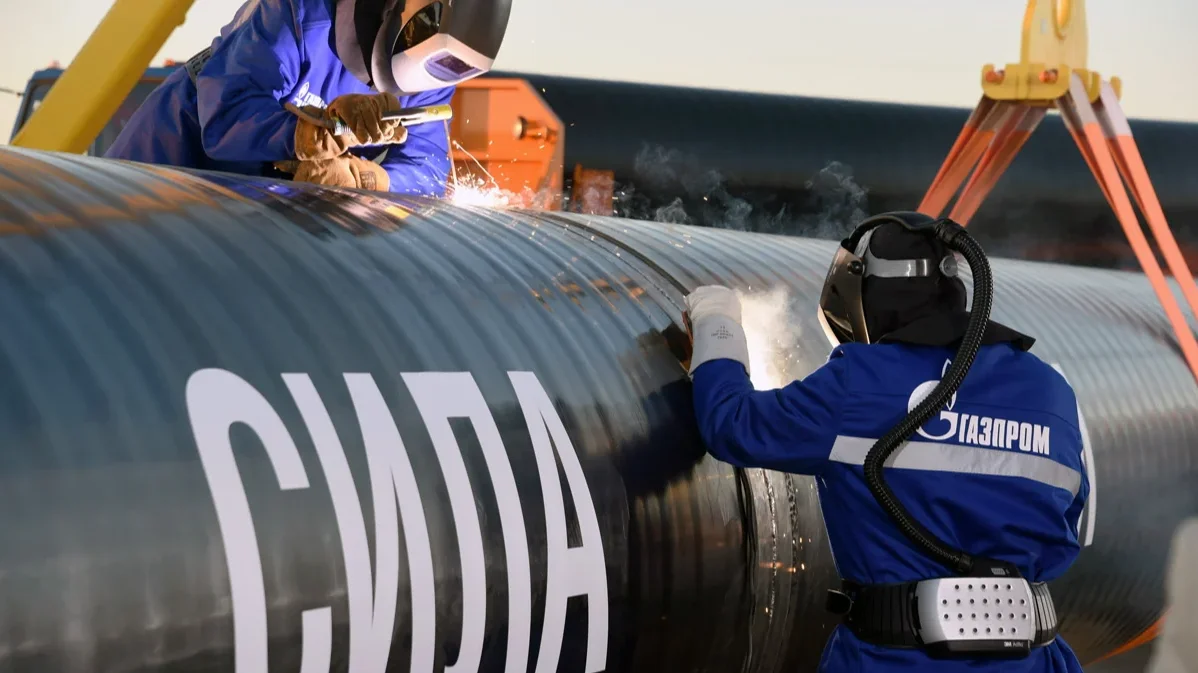
If transit through Ukraine is stopped, countries in Central and Eastern Europe will only be able to receive deliveries of Russian gas through the Balkan and Trans-Balkan corridors, which branch off from TurkStream. According to an assessment by the Norwegian company Rystad Energy, to replace Ukrainian volumes the EU would have to import 7.2 billion cubic metres of LNG per year, though calculating the actual cost of such a move for Europe cannot easily be calculated, according to Christoph Halser, a gas analyst at Rystad Energy.
A large proportion of Ukraine’s transit revenue goes towards maintaining the extensive network of gas pipelines, including the purchase of industrial gas for compressor stations.
“The system is designed to transport gas of the country’s own production, imported gas and transit gas. And all of these types of gas are in the same pipes.”
“We don’t have money for subsidies,” Korolchuk warns. “The consumer will have to bear the entire cost.”
As the main obstacle for all parties to continuing the current arrangement is political, one solution that may be acceptable to all parties is simply to change the origin of Russian-supplied gas on a technicality.
Azerbaijan is also another possible key intermediary between Russia and European consumers.
“I think that as long as the war continues, this transit will exist in some form,” says Korolchuk. “Whether this will be Azerbaijani gas, as they’re calling it — that’s another question.”
Finally, in this situation, Korolchuk says, there may also be an unexpected outcome, where transit continues without any contracts at all.