Gaslighting
Change is afoot in Austria, one of the last EU countries to remain addicted to cheap Russian gas imports
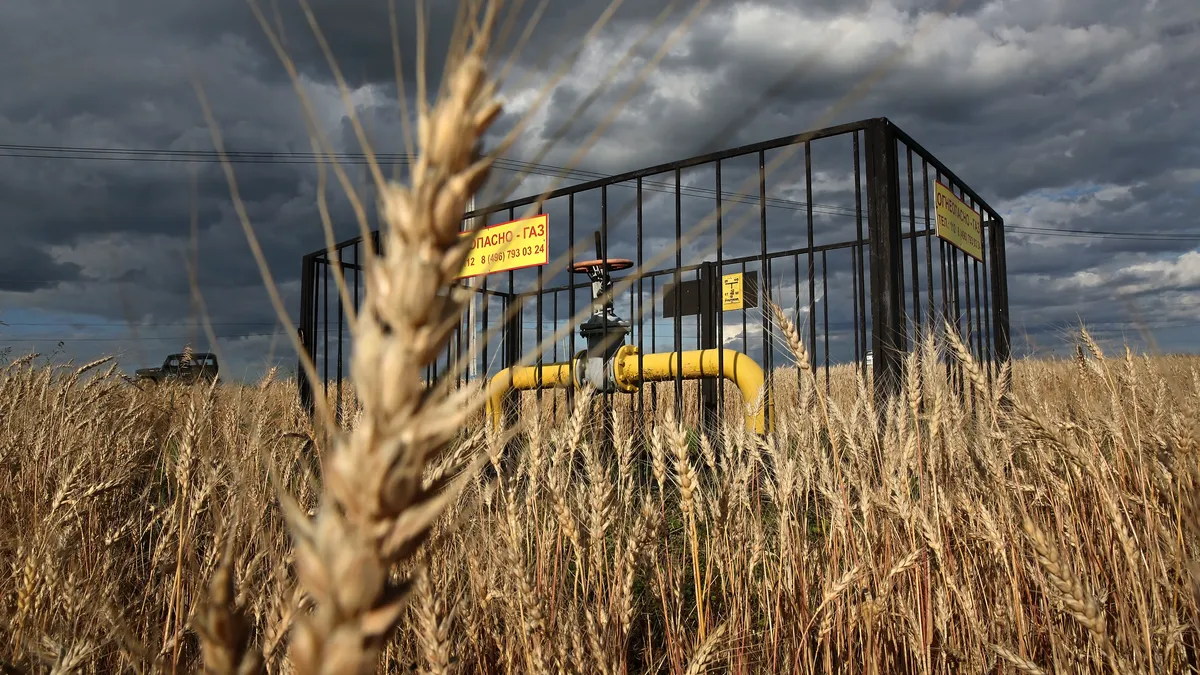
In mid-November, the Austrian authorities announced their intention to stop buying Russian gas, despite the fact that last winter it accounted for some 98% of the country’s gas imports. In retaliation, Gazprom immediately ended gas deliveries to Vienna, effectively giving Austria the right to break its contract with the Russian energy giant, which currently runs until 2040.
At the height of the 2022 energy crisis, while gas prices for the rest of Europe soared to over $1,000 per 1,000m³, Austria continued to buy Russian gas at a mere $300–400.
OMV stressed that it had long been preparing for a halt in Russian gas supplies, diversifying its suppliers and filling up storage facilities.
While the flow of Russian gas to Austria was expected to end on 16 November, it continued as usual and has done so since then.
While in theory the sanctions don’t entirely exclude the possibility of doing business with Russia, in practice most European buyers will be too anxious that doing so might attract secondary US sanctions.
While in theory the sanctions don’t entirely exclude the possibility of doing business with Russia, in practice most European buyers will be too anxious that doing so might attract secondary US sanctions. Experts say this is the most sweeping package of sanctions against the Russian financial market since the spring of 2022. However, the Kremlin was quick to point out that Russia will find other payment options. Indeed, Russia introduced a new procedure on 5 December, effectively allowing foreign companies to make payment through other banks.
However, the most serious blow to the Kremlin’s position in the European energy market will likely be the upcoming suspension of Russian gas transit through Ukraine from 1 January following the expiration of the contract between Gazprom and Ukraine’s Naftogaz. From then on, neither Slovakia nor Austria will be able to import gas as they do currently and would have to purchase fuel from their neighbours or hope for a rise in the volume of gas supplies from Türkiye or the Balkans.
Even in this scenario, though, Russia’s westward pipeline will likely not go empty: EU traders can try to conclude short-term contracts with Gazprom to organise the transit of Russian gas to Europe on their own. Another option would be procuring gas from Azerbaijan through the Ukrainian transit system — gas that would de facto be Russian.
Dropping Russia
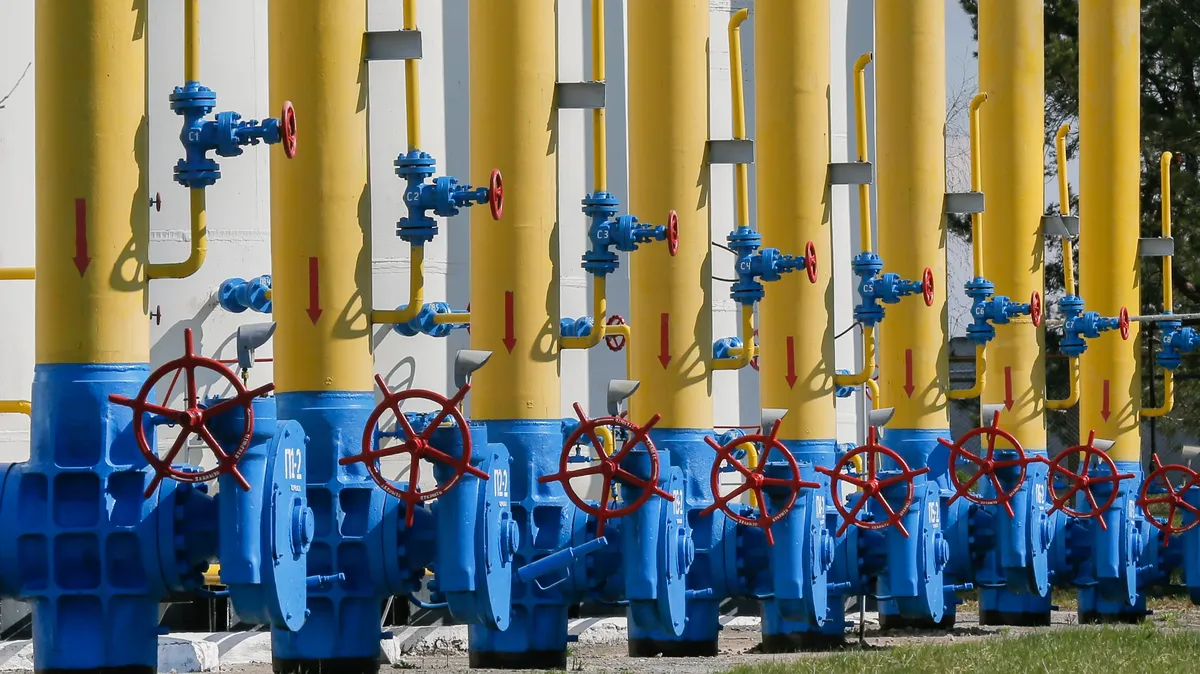
Despite the existence of a number of workarounds that would allow it to continue buying Russian gas, Austria’s OMV is now seeking alternative sources of gas to end its reliance on Russian imports. Gazprom’s behaviour in November has provided it with grounds to claim that Gazprom breached its obligations, which would allow it to break its contract and end its long-term relationship with the Russian giant for good.
Potential substitutes for Russian gas exports could come from Norway, which signed a five-year contract with Austria in 2023 to supply it with pipeline gas. From 2026, OMV intends to buy LNG imported from the UK, while other potential transit nations through which OMV could source LNG include Netherlands, Italy, Germany, Poland, Greece, Croatia, and Lithuania. Alternatively, Austria could simply decide to focus on the development of new gas fields, as plans are already afoot for OMV to drill in Romanian coastal waters in the Black Sea, where gas reserves are estimated at 100 billion m³.
Additionally, calculations made by the Brussels-based Bruegel economic think tank show that Austria can hope to expand the capacity of the TurkStream pipeline, purchasing the missing volumes from Turkey. It could also receive assistance from its neighbours — Czechia, which claims to have enough gas network capacity to support other countries, and Italy, which imports pipeline gas from Algeria and LNG from around the world.
Even a complete shutdown of gas transit through Ukraine would not pose a direct threat to Austria’s energy security.