Sex education
And why Russia’s version of Big Brother might not have been so bad after all
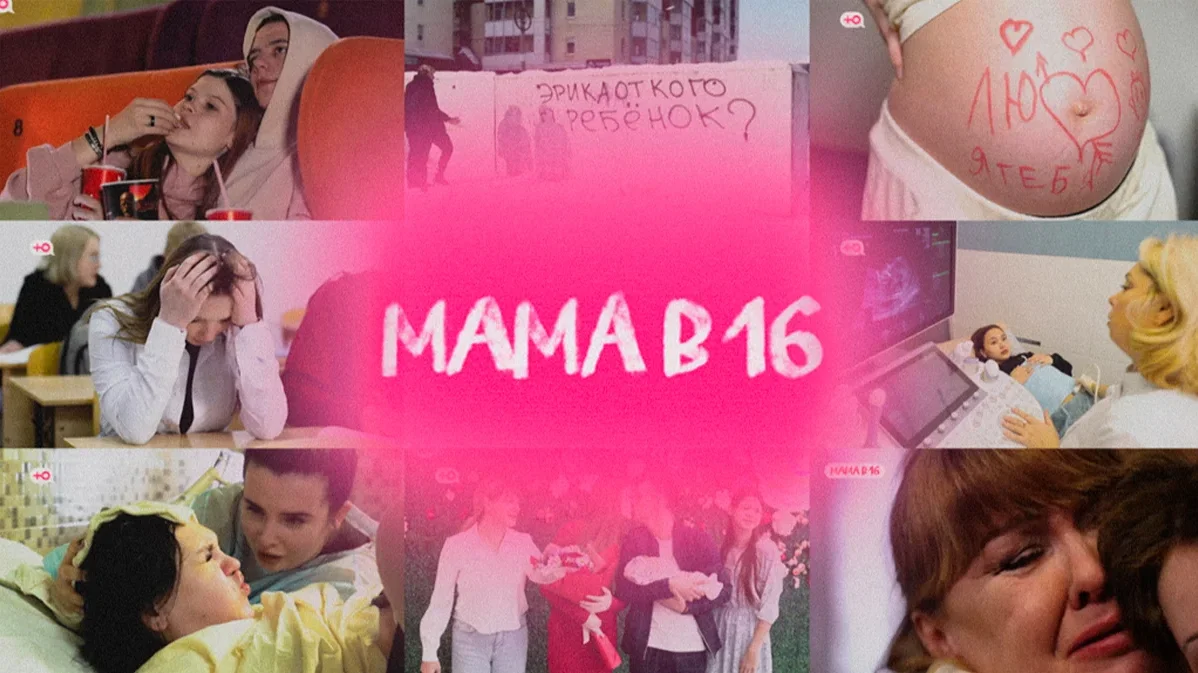
Last month, Federation Council member Yulia Lazutkina proposed banning the television show Beremenna v 16 (16 and Pregnant). “We are all working towards improving our demographic policy,” she said, referring to Russia’s persistent population decline, “but there must be some limits.” Lazutkina declared that “a girl who becomes 16 and Pregnant is unlikely to bear and raise a worthy citizen.”
The Bolsheviks of the 1920s were far more progressive than today’s Russian officials. Flip through a newspaper from that era, and you might find articles entitled About Wet Dreams, On Masturbation, or The Fight Against Venereal Diseases.
Russian officials still insist that sex education will corrupt young people, despite ample evidence that it reduces rates of teenage pregnancy and sexually transmitted infections.
Russian audiences witnessed, often for the first time, open discussions of homosexuality, toxic masculinity, and people identifying as transgender — topics otherwise absent from the national discourse.
In a country where formal sex education is virtually non-existent, such series represent a rare — and increasingly vital — space for public discussion about sex and relationships.